

“Old-Fashioned” Habits That Are Quietly Making a Comeback

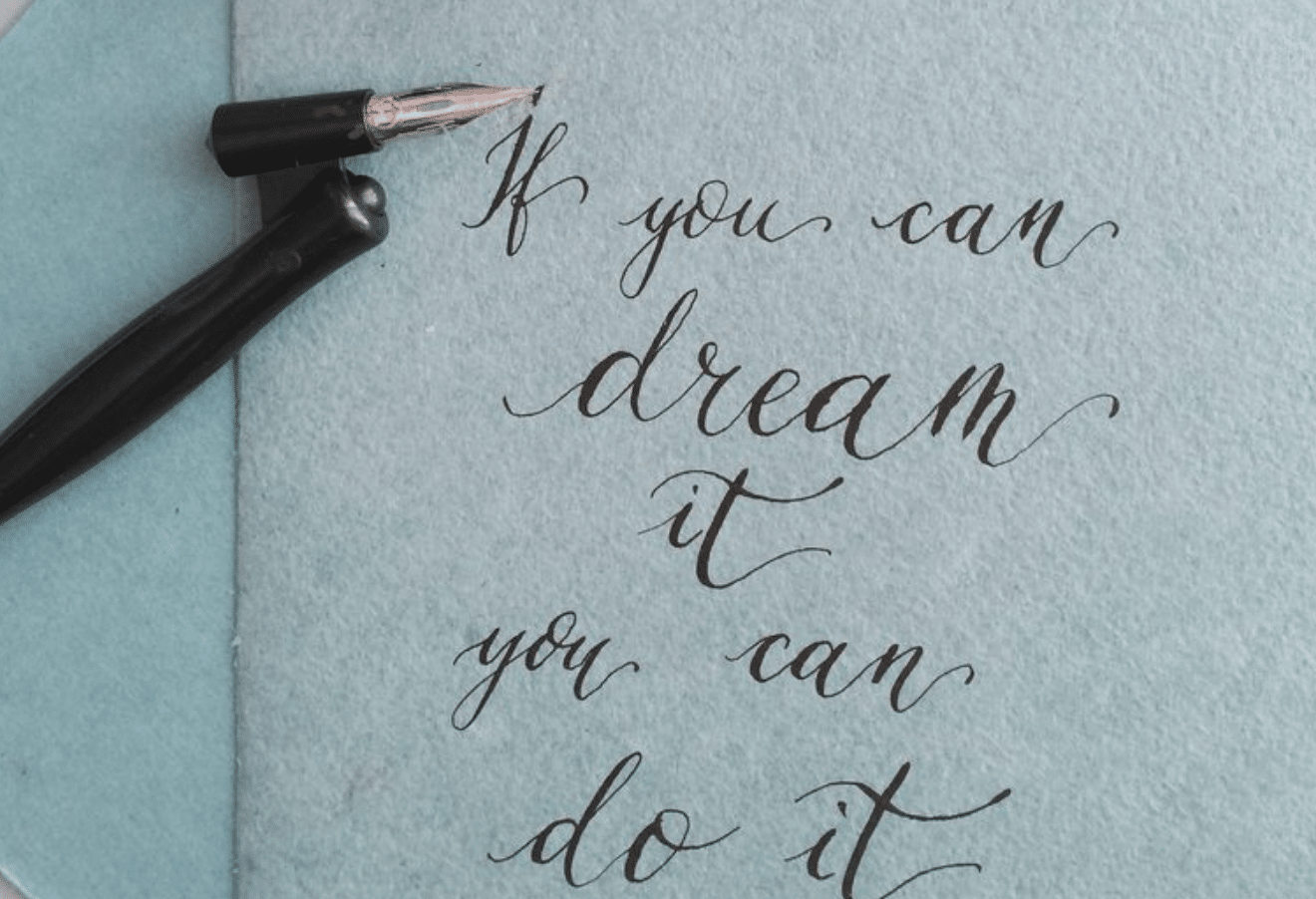
Every so often we catch ourselves doing something our grandparents would recognize instantly, and pretending it’s a new discovery. Turns out the analog life never fully left, it just went quiet for a couple of decades. Lately it’s been sneaking back into our house one habit at a time.
We started keeping a list of everything old-fashioned that crept back into our routine, and it got long fast. Some of it is genuinely useful, some of it is just cozy. One entry at the very bottom of this list caused a full family debate.
Wait until you see what Tom said about it at number one.

23. Sunday Phone Calls Instead of Texting
Somewhere along the way, checking in with family turned into a string of one-word texts. Now people are picking up the phone again, on purpose, for no reason other than to talk. It takes longer, and that’s sort of the point.
A ten-minute call catches you up on a week in a way three texts never do. You hear the tired in someone’s voice before they’d ever admit it in writing. That’s information a text can’t carry.
It also removes the temptation to draft and redraft a reply for ten minutes. You just say the thing, badly worded or not, and move on. Somehow that ends up being the more honest version of the conversation.
Verdict: worth reviving, especially with the relatives who never learned to text properly anyway.

22. Air-Drying Laundry on a Line
Backyard clotheslines used to be everywhere, then they quietly disappeared behind privacy fences and HOA rules. They’re coming back, partly for the electric bill and partly for the smell. Sun-dried sheets have a smell no dryer sheet has ever managed to fake.
It also forces a slower kind of laundry day. You hang things, you wait, you bring them in before it rains if you’re paying attention. It’s a small ritual that gets you outside twice.
There’s a learning curve nobody warns you about. Towels dried outside get noticeably stiffer than towels tumbled in a machine, and the first batch always surprises people. Most fans of the habit just toss them in the dryer for five minutes afterward to soften them back up.
Neighbors notice, too, in a good way. A line full of laundry on a Saturday morning is one of those small signals that a house is actually lived in, not just occupied.
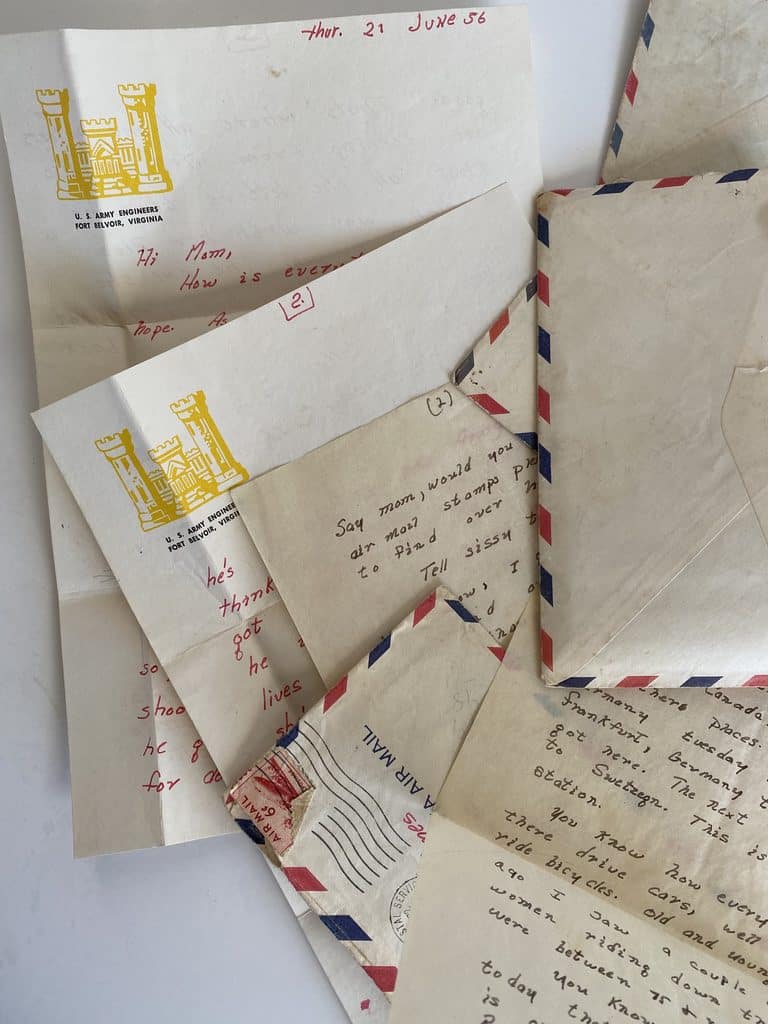
21. Handwritten Letters
Not everything needs to be a letter. But a real, folded, stamped letter still lands differently than any message that arrives instantly. People are keeping them in drawers for years, which nobody does with a text.
The slowness is the whole appeal. You have to sit with your thoughts long enough to write them by hand, which tends to produce better thoughts. It’s the opposite of firing off a reply mid-scroll.
There’s also a strange permanence to it. A letter can’t be edited after the fact, deleted, or unsent. Whatever you wrote is exactly what the other person gets, mistakes and all, which is rarer than it should be.
Even bad handwriting adds something a keyboard never will. It’s a small, unmistakable fingerprint that says exactly who sat down and wrote it.

20. Sitting on the Porch After Dinner
Front porches used to be the whole social life of a street. Then air conditioning moved everyone indoors and the porches went quiet for a generation. Now people are dragging chairs back outside just to watch the evening happen.
It’s an easy habit to underrate. No screen, no destination, just a stretch of time where neighbors actually wave. Half the appeal is that nothing is supposed to happen.
Twenty minutes in, conversation tends to drift somewhere it wouldn’t inside the house. Something about facing the street instead of each other makes bigger topics easier to bring up. It’s an accidental version of a walk-and-talk, minus the walk.
It also costs nothing and requires zero planning. Two chairs and a porch light are the entire setup, which might be why it’s spreading so easily.
Keep the Laughs Going
32 Strange Household Tricks That Actually Saved People Money →
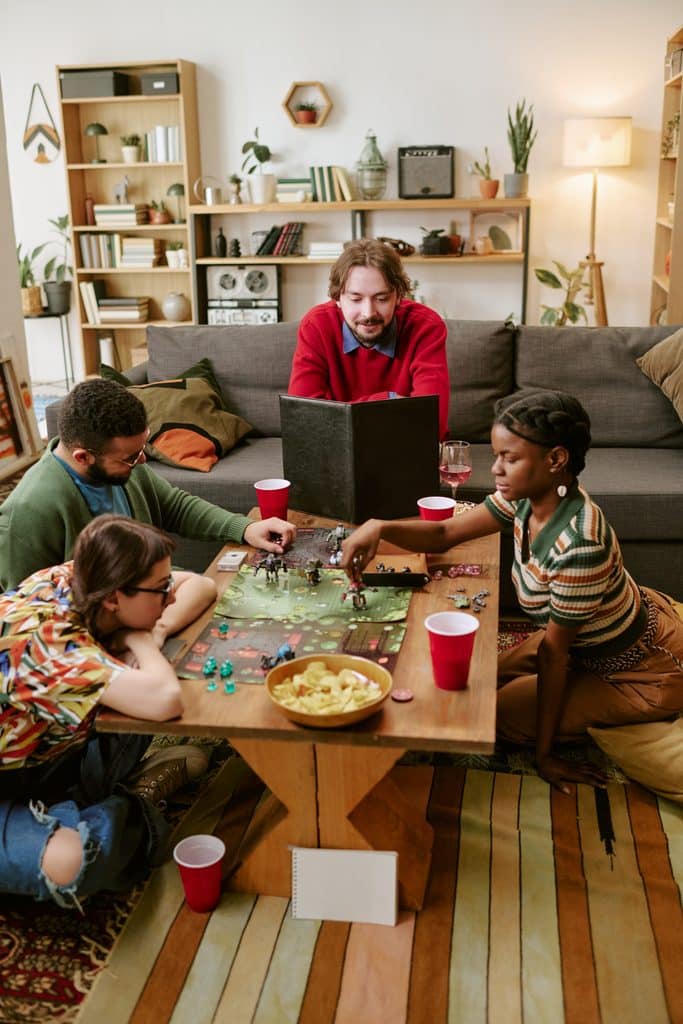
19. Family Game Night With Actual Board Games
Screens are easy, which is exactly why a table full of cards and cardboard feels like an event again. Someone has to read the rules out loud, someone always gets them wrong, and the whole thing runs an hour longer than planned.
That’s the draw. A board game forces everyone into the same room, looking at each other instead of four separate glowing rectangles. The bickering over rules is basically the bonding.
The best part usually isn’t the winning. It’s the running commentary, the terrible trades, the one player who takes it far too seriously every single time. Nobody remembers the final score a week later, but everyone remembers the arguing.
Even a lopsided game rarely ends the night early. Someone always demands a rematch, mostly out of pride, which tends to stretch one game into three.
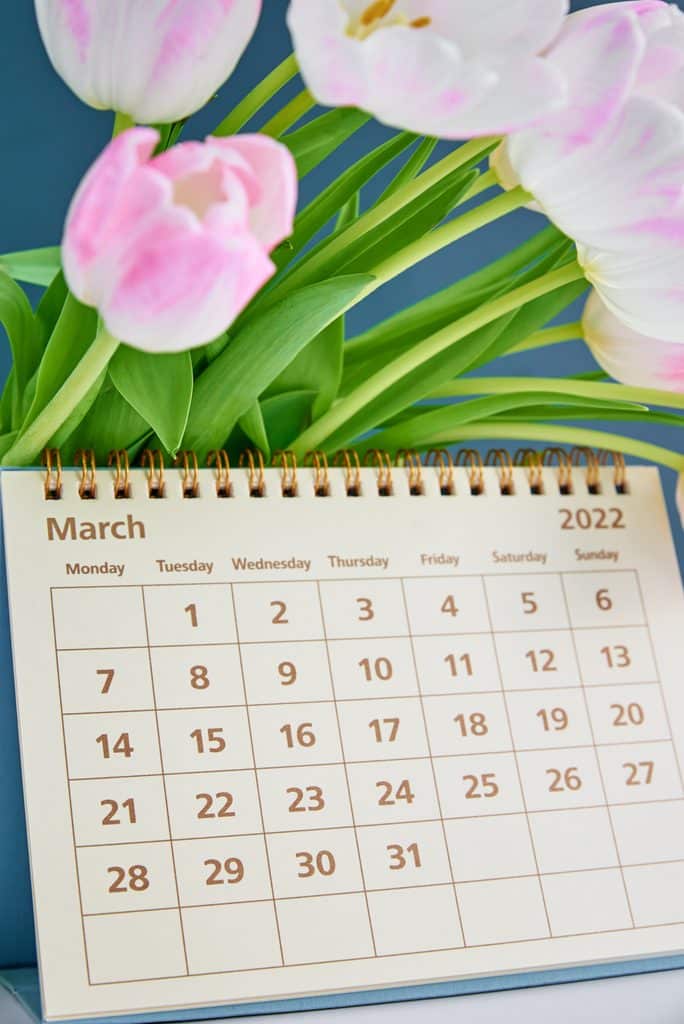
18. A Paper Calendar on the Wall
Phone calendars are more accurate, but a big paper grid on the kitchen wall does something a phone screen can’t. Everyone in the house can see it at once, without opening anything. Nobody has to ask what’s going on Saturday.
There’s also the satisfaction of physically crossing a day off. A phone just quietly moves on to tomorrow, no ceremony involved.
A shared paper calendar also settles arguments before they start. Nobody can claim they weren’t told about a dentist appointment when it’s written in marker at eye level. It becomes the one household document everyone silently agrees to trust.
Stick around, because the entry at number one is the reason this whole list exists.
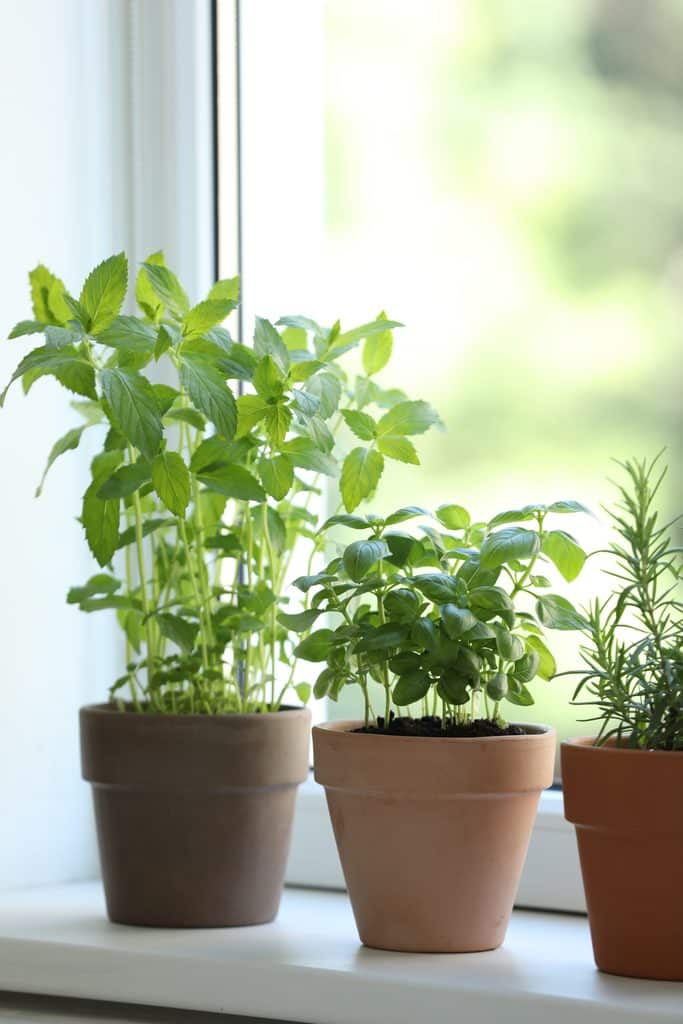
17. Growing Herbs on the Windowsill
A little pot of basil on the windowsill used to be standard kitchen furniture, right up there with the toaster. It fell out of fashion when grocery store herbs got cheap and convenient. Now it’s back, mostly because fresh actually tastes different.
It also turns cooking into a slightly slower, more involved thing. You snip what you need instead of buying a whole plastic clamshell you’ll use a third of. The rest just wilts in the crisper drawer anyway.
There’s a quiet pride in it, too. Reaching over mid-recipe and cutting a few leaves off something you kept alive yourself feels disproportionately satisfying for how small the task is. It’s one of the cheapest ways to feel like you know what you’re doing in a kitchen.
It survives almost anywhere, too, which is part of the appeal. A sunny windowsill is a lower bar to clear than an actual garden bed.
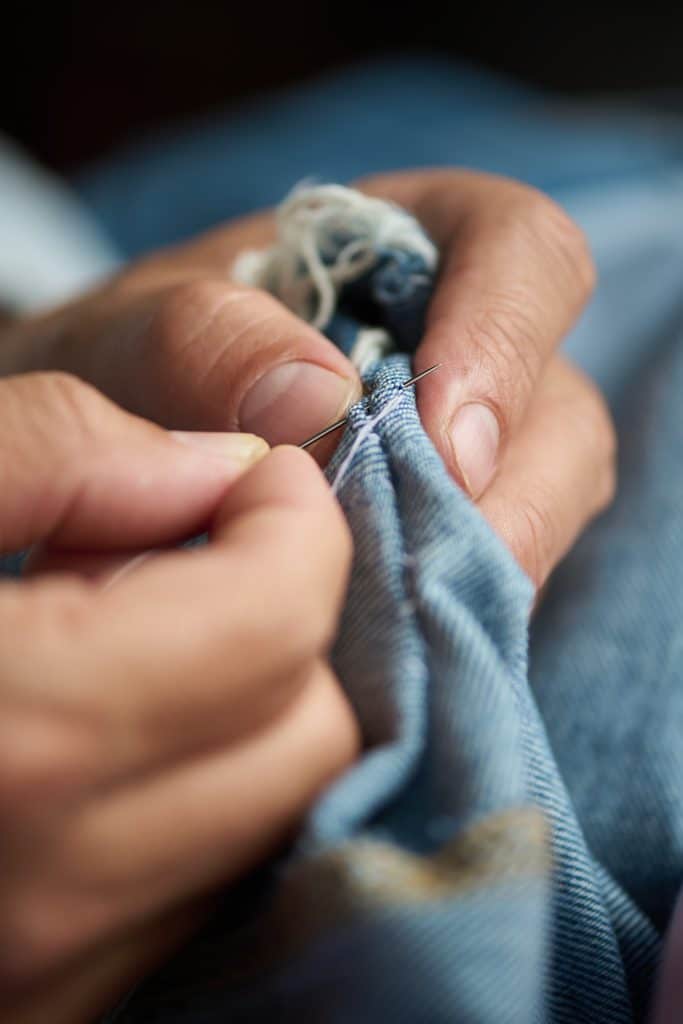
16. Mending Clothes Instead of Replacing Them
A missing button used to mean five minutes with a needle, not a trip to buy a new shirt. That skill nearly vanished for a while. It’s resurfacing now, partly out of cost and partly out of a genuine dislike of throwing things away.
Tom & Carrie's Pick
30 Things Frugal People Won't Waste Their Money On →
"Tom is offended by how many of these describe him exactly."
There’s a real satisfaction in a patched knee or a re-sewn seam. It’s proof the thing was worth keeping, not just worth replacing.
It also changes how you shop, eventually. Once you’ve spent an evening fixing a favorite shirt, you start noticing which new clothes are even worth mending in the first place. Cheaper fabric tends to fall apart in ways no needle can fix.
A basic sewing kit ends up being one of the cheapest tools in the house. It usually pays for itself the first time it saves a favorite pair of pants.
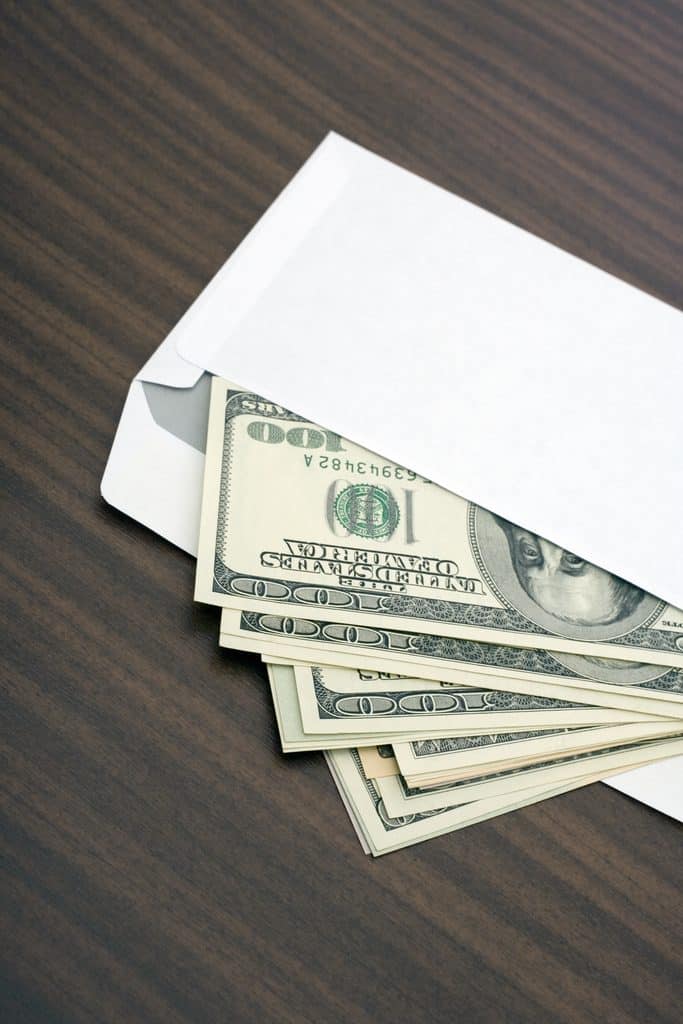
15. Cash Envelope Budgeting
Splitting cash into labeled envelopes for groceries, gas, and fun money was standard practice before cards took over. It’s back in a big way, because watching physical cash disappear hits differently than watching a number change on an app.
We’ll be honest, we tried it and it didn’t stick for us. Carrying cash everywhere felt clunky, and we kept “borrowing” from the fun envelope. It clearly works for a lot of people, just not for two people who are always losing envelopes in the car.
The people it does work for tend to say the same thing: an empty envelope feels final in a way a declined card never quite does. There’s no overdraft, no grace period, just an empty envelope and a plan for next week.
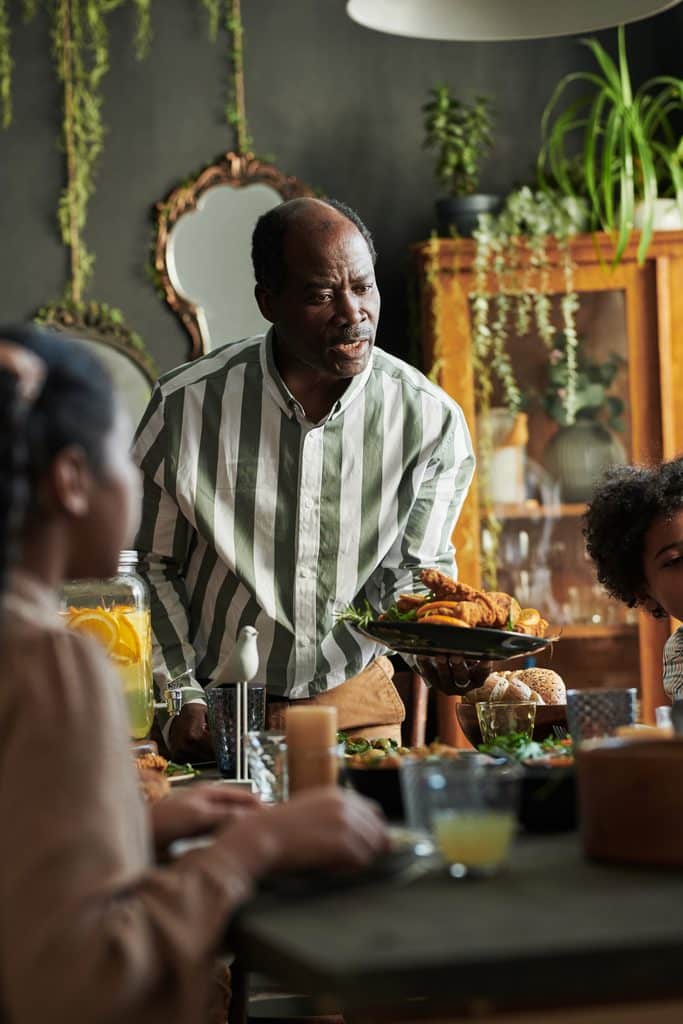
14. Sunday Family Dinners
The idea of one set meal, one set time, everybody at the table, used to be a given. Busy schedules picked it apart over the years. Plenty of households are pulling it back together, even if it only survives one week out of four.
It doesn’t have to be fancy to work. The value is in the recurring, guaranteed hour where everyone’s phone is somewhere else.
Even the failures help. A dinner where the roast comes out dry and someone shows up late still counts, because the point was never a perfect meal. It was one fixed hour a family could actually count on.
It also gives the week a shape it wouldn’t otherwise have. Six chaotic days start to feel more manageable once there’s one fixed point everyone’s circling back toward.

13. Walking Instead of Driving for Errands
When everything worth buying was within a few blocks, walking there wasn’t a lifestyle choice, it was just how errands worked. Cars made that optional, and most people took the option. Now walkable routines are getting rediscovered, partly for the exercise and partly out of pure nostalgia for slower days.
A fifteen-minute walk to pick up one thing feels inefficient on paper. In practice, it’s often the calmest fifteen minutes of the day.
It also changes what you buy. You stop grabbing six things you don’t need just because the cart was already out. A short walk with two hands free has a way of keeping errands honest.
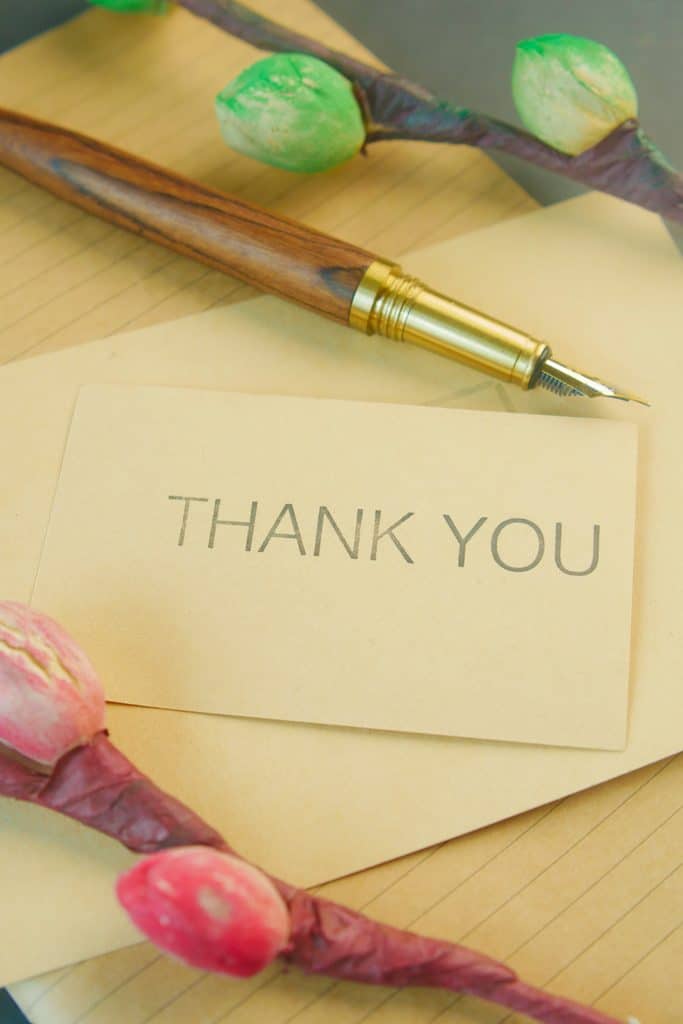
12. Handwritten Thank-You Notes
A quick text saying thanks is easy and mostly forgettable. A card in the mail, in someone’s actual handwriting, tends to get displayed on a shelf for weeks. That gap in effort is exactly why it stands out again.
You'll Also Love This
It costs a stamp and ten minutes. Given how rare it’s become, that’s a small price for a genuinely memorable gesture.
People are also getting more specific with them, which helps. A note that mentions the actual gift, and why it mattered, beats a generic “thanks so much” every time. The specificity is what makes it feel real instead of obligatory.

11. Reading a Physical Book Before Bed
A book with actual pages doesn’t buzz, light up, or funnel you into another app at eleven at night. That’s a big part of why it’s making a comeback, right alongside genuine love of reading. The lack of notifications is basically the feature.
People are noticing they fall asleep faster and sleep a little better without a screen an inch from their face. A paperback doesn’t care if you fall asleep mid-page, either.
There’s also a small pleasure in the physical bookmark. A dog-eared page or a receipt shoved between chapters becomes a tiny record of exactly where a specific night ended, in a way a saved spot in an app never quite manages.
Speaking of things that used to be everyday and now feel radical, wait until you get to number four.
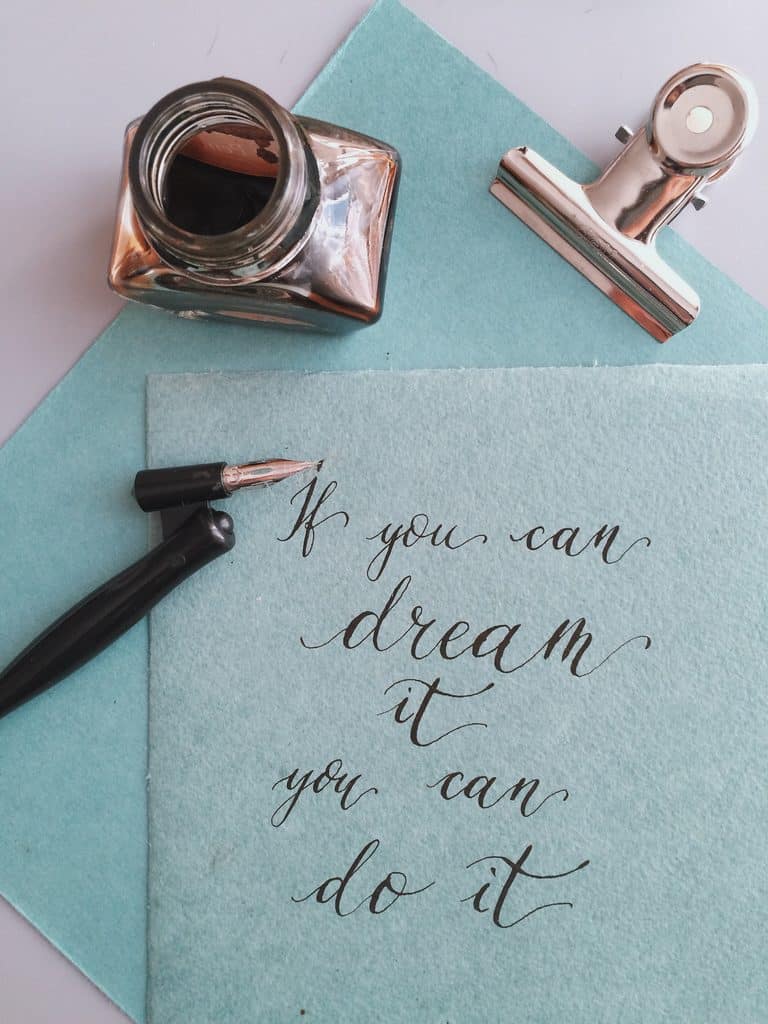
10. Cursive Handwriting
Cursive got quietly dropped from a lot of school curriculums, and an entire generation grew up unable to read their own grandparents’ letters. Now it’s popping back up in workbooks and journaling circles, half as a skill and half as a small rebellion against typing everything.
This one split our house right down the middle. Tom’s take: it’s a dead skill, and the hour spent practicing loops could go toward literally anything more useful. Carrie’s take: it’s the closest thing to a personal signature most people have left, and that alone is worth keeping.
Neither of us has fully budged, so it remains an ongoing house argument, mostly friendly. It comes up almost every time a birthday card needs signing.

9. Canning and Preserving Food
Rows of jars in a pantry used to be a normal end-of-summer sight, then grocery stores made year-round produce so easy that preserving anything felt pointless. It’s back now, driven by people wanting to know exactly what’s in their food and by a genuine love of a good pickle.
It’s slower and messier than buying a jar off a shelf. It also produces something that tastes distinctly like your own kitchen, which a store jar never quite does.
There’s also a small thrill in the pop of a sealed lid a few hours later. It’s the closest thing to instant proof that a project actually worked, before you’ve even tasted a bite.
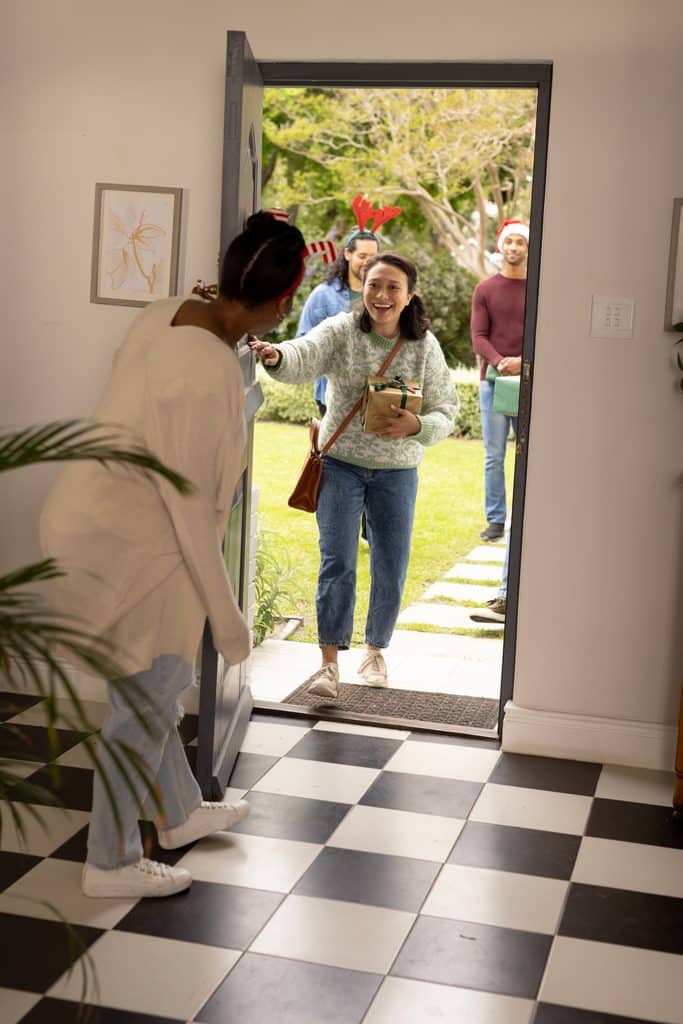
8. Dropping by a Neighbor’s House Unannounced
There was a time when knocking on a neighbor’s door without texting first was completely normal, not an emergency. Somewhere along the way that turned into something people apologize for. A few holdout neighborhoods never stopped, and others are slowly relearning it.
It requires a little more social nerve than sending a text. It also tends to produce the kind of ten-minute porch conversation that actually builds a real neighborhood.
The trick, apparently, is keeping it short. Most successful drop-ins last under fifteen minutes and end with both people a little glad it happened. Nobody’s rebuilding that habit by overstaying their welcome.

7. Waking Up Without an Alarm
Before phones sat on every nightstand, plenty of people just woke up when their body decided to, aligned with actual daylight. Some households are chasing that again by opening curtains, keeping consistent bedtimes, and treating the alarm as a backup instead of the main event.
To be fair, this one is not a fix for everyone. Shift workers, night owls, and anyone with a baby in the house can politely ignore this entry and keep the alarm.
For the people it does work for, the payoff isn’t really about the extra sleep. It’s waking up already alert instead of jolted, which changes the whole tone of the first ten minutes of the day.