

31 Weird Household Tricks That Actually Save Real Money

We used to think saving money meant spreadsheets and willpower, two things this house has never been great at. Then we started noticing the small, slightly odd habits that quietly kept more cash in our pocket, the kind nobody puts on a vision board. Some came from grandparents.
Some came from pure stubbornness. All of them worked, and most took less than ten minutes to start.
This is the full list, ranked by how much they actually saved us. The one at #1 is the trick we’re most embarrassed we ignored for years.

31. Freezing Leftover Herbs in Oil
Fresh herbs die in the crisper drawer before you use half of them. Chop what’s left, pack it into an ice cube tray, and cover it with a neutral oil before freezing.
Each cube drops straight into a hot pan, no thawing required. It turns a few dollars of herbs that were headed for the trash into a dozen future meals, and it takes about five minutes once a week.
Olive oil works for most herbs, though a neutral oil is better for anything you’ll use in a dish where a strong flavor would clash. Basil, parsley, cilantro, and dill all freeze this way without losing much of their character.
30. Swapping Dryer Sheets for Wool Balls
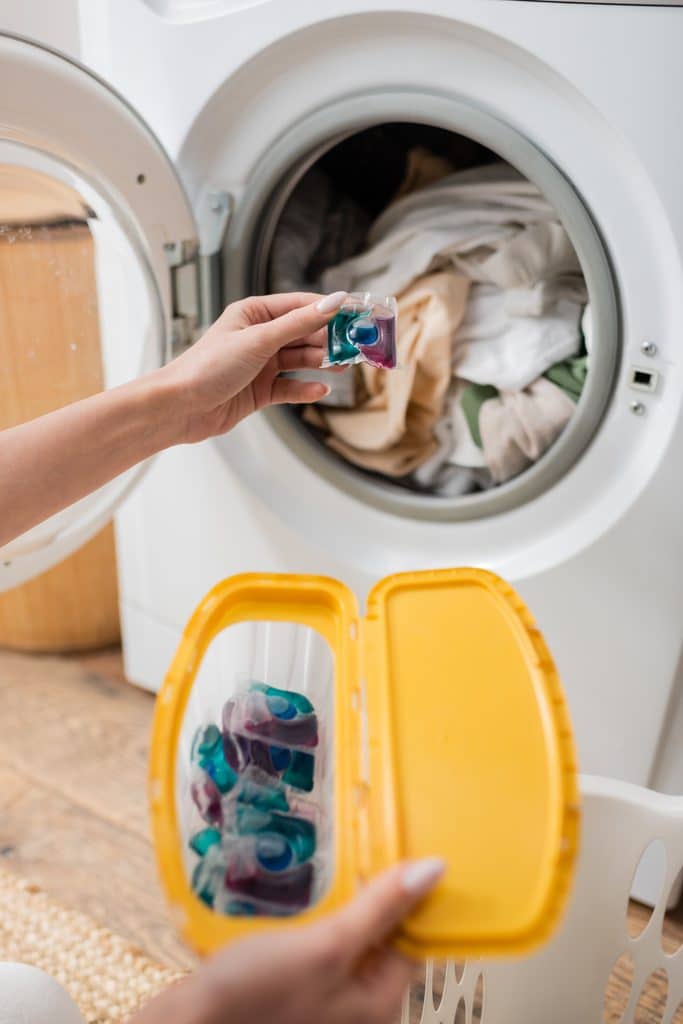
A box of dryer sheets is a recurring cost for something that only does one job. A few wool dryer balls do the same job for years.
They also cut drying time slightly by keeping clothes separated in the drum, which trims a little off the energy bill too. The upfront cost pays for itself in under a year for most households.
A few drops of essential oil on the balls before a load adds scent without buying anything disposable at all. It’s a small habit that stops feeling like a sacrifice within the first month.
29. Cutting Bar Soap Into Slivers for Body Wash
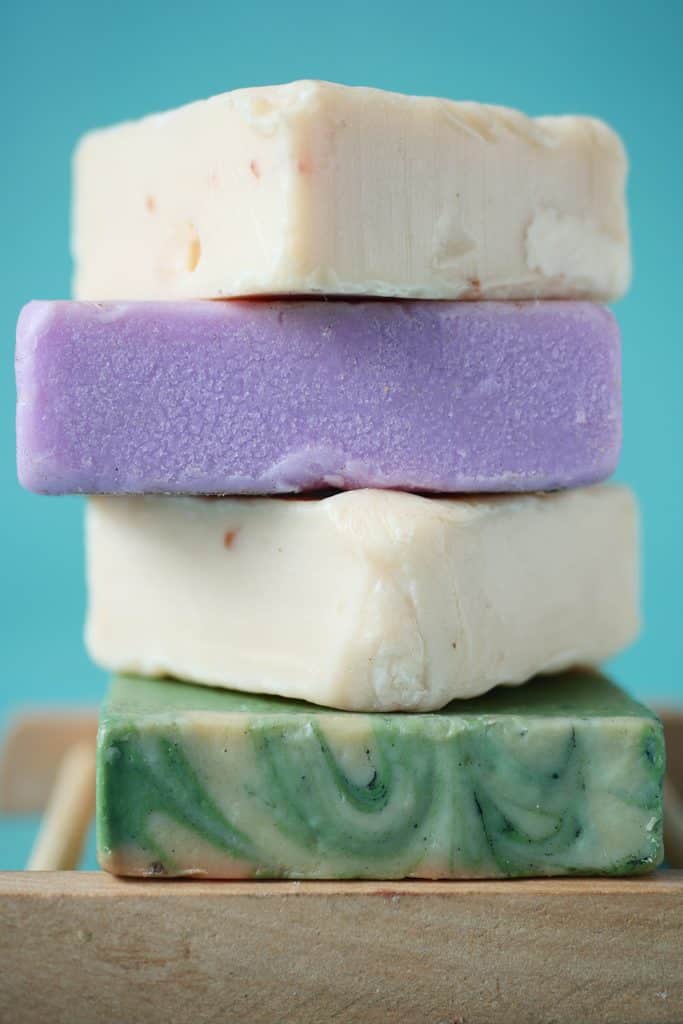
A bottle of body wash is mostly water and marketing. A bar of soap costs a fraction as much per wash and lasts longer than people expect.
Cutting a bar into slivers and keeping one in a mesh pouch by the shower makes it feel less like a throwback and more like a system. It sounds small, but multiplied across a household of four for a year, it adds up to real grocery-budget money.
It also means one less plastic bottle in the recycling bin every month, which wasn’t the point when we started but has become a nice side effect.
28. Repurposing Old Toothbrushes for Grout
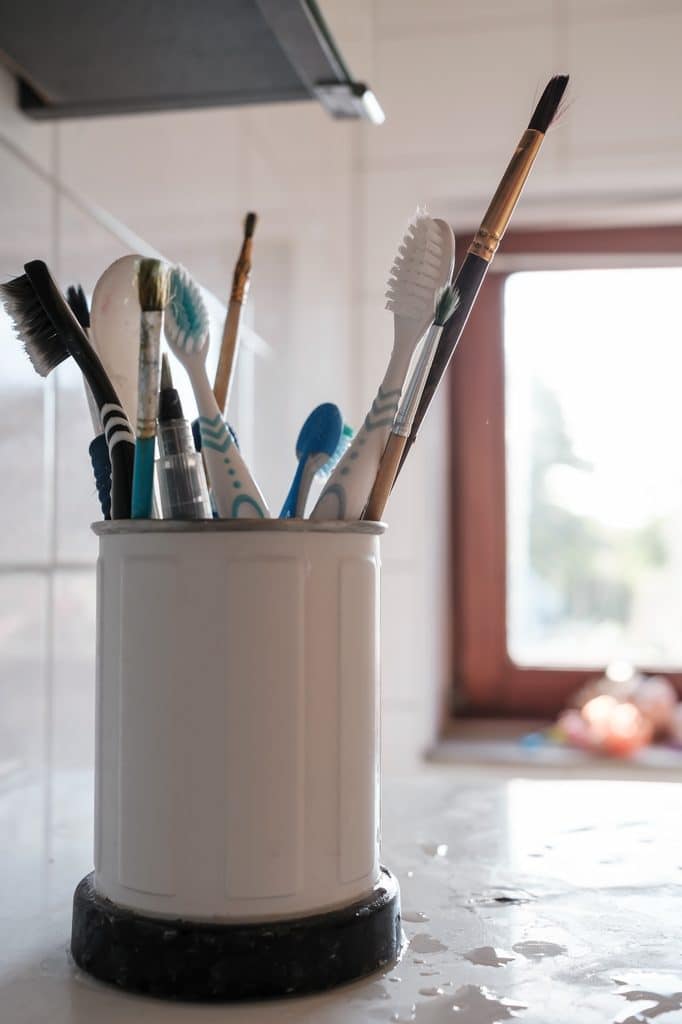
House Rules: nothing with bristles gets thrown out in this house until it’s earned a second life scrubbing tile.
Grout brushes are a strange thing to spend money on when a used toothbrush does the exact same job. The bristles are already the right size and stiffness for tile lines and grimy corners.
It’s not a huge line item, but it’s one less specialty cleaning tool cluttering the cabinet and one less thing to repurchase.
A quick rinse in hot water before its second life keeps it feeling more like a tool and less like something pulled from the trash.
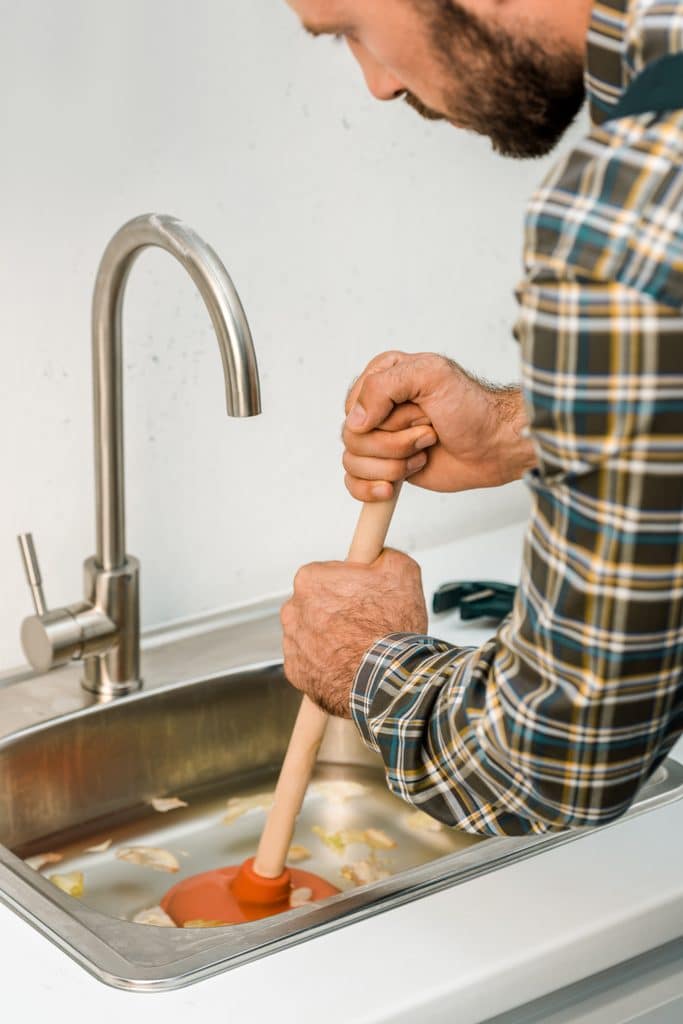
27. Clearing Drains With Vinegar and Baking Soda
A bottle of drain cleaner is expensive, harsh, and mostly overkill for a slow drain that just needs help. Baking soda followed by vinegar, then a hot water flush, clears most everyday clogs.
It won’t fix a drain that’s genuinely blocked by something solid. But for the slow, gunky slowdown every kitchen sink gets eventually, it works about as well as the expensive stuff and costs pennies.
Running it once a month as maintenance, rather than waiting for a full clog, keeps the drain from ever slowing down enough to notice in the first place.
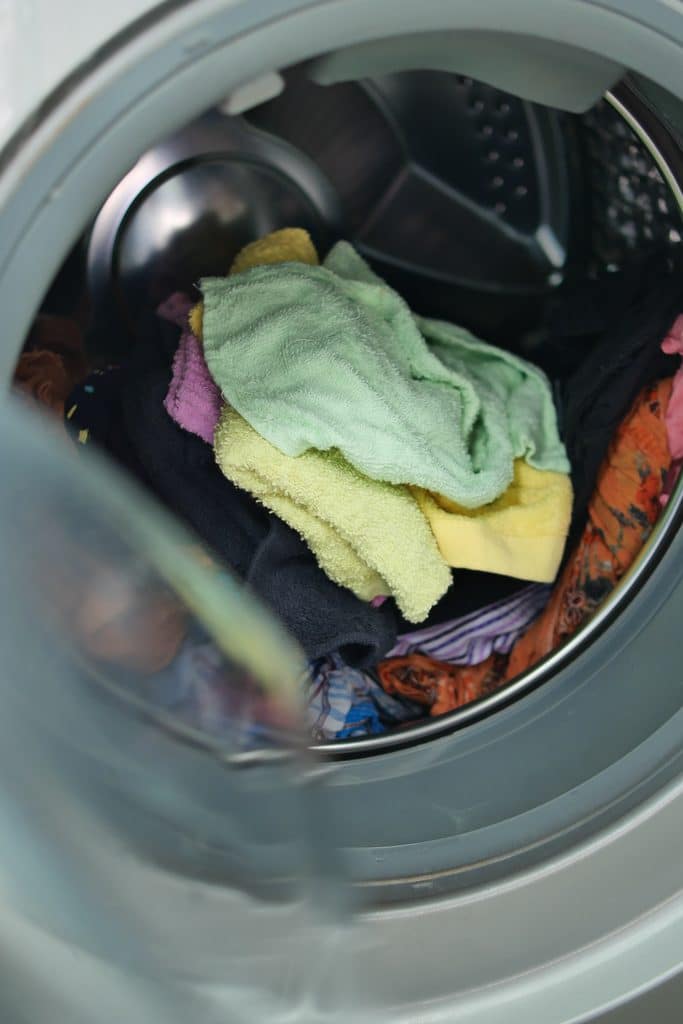
26. Washing Almost Everything in Cold Water
Heating water is one of the biggest hidden costs of doing laundry, and most modern detergents are formulated to work fine in cold water anyway.
Switching the default setting saves on the energy bill every single load, all year, without changing how clean anything comes out. It’s the kind of trick that saves money precisely because you stop thinking about it.
Heavily soiled work clothes or genuinely muddy sports gear are the exception worth making hot water for. Everything else, from everyday shirts to bedsheets, comes out just as clean cold.
Wait until you see what’s waiting at #1. It’s the one trick on this list that quietly cost us the most money for the longest time.
Keep the Laughs Going
26 Life Hacks That Sound Completely Ridiculous Until You Try Them →
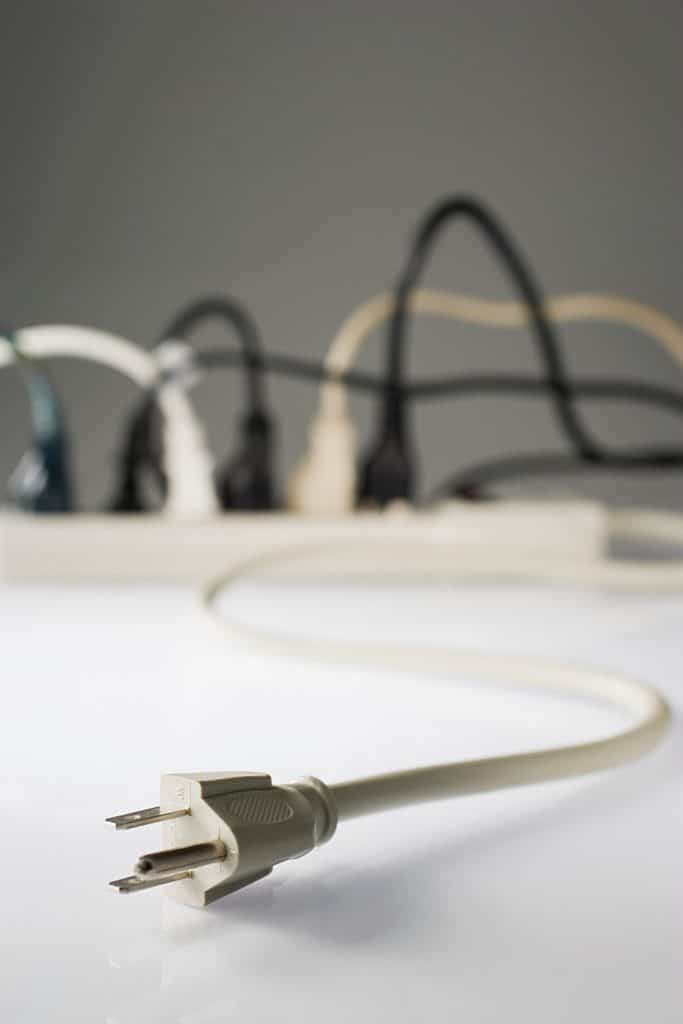
25. Unplugging Power Strips Instead of Devices
Plenty of electronics draw a small amount of power even when they’re switched off, sitting there in standby mode waiting for a remote signal.
Running the television, game console, and streaming box through one power strip and flipping it off at night kills all of that phantom draw at once. It’s a small monthly amount, but it’s also money spent on nothing.
Chargers left plugged in with nothing attached do the same quiet drain. Unplugging them takes seconds and adds up right alongside the power strip habit.
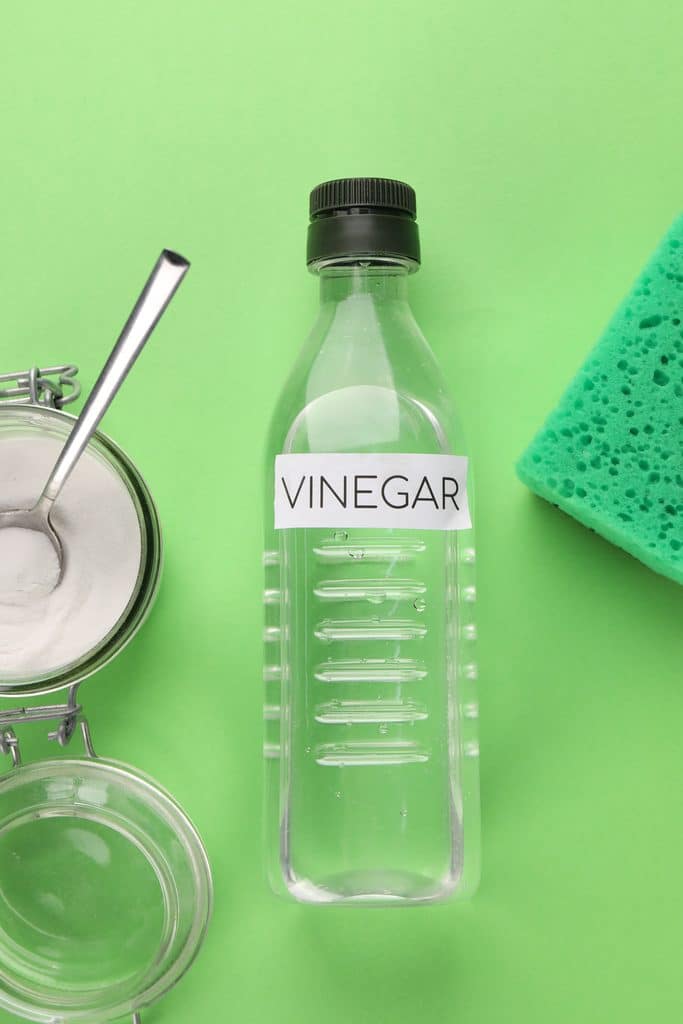
24. Making Glass Cleaner From Vinegar and Water
A spray bottle, equal parts water and white vinegar, and a few drops of dish soap cleans glass and mirrors as well as anything sold in a specialty bottle.
One batch costs less than a dollar and lasts weeks. It’s an easy trick to feel smug about, and we do.
A microfiber cloth instead of paper towels finishes the job streak-free, and it goes right back in the wash instead of the trash.
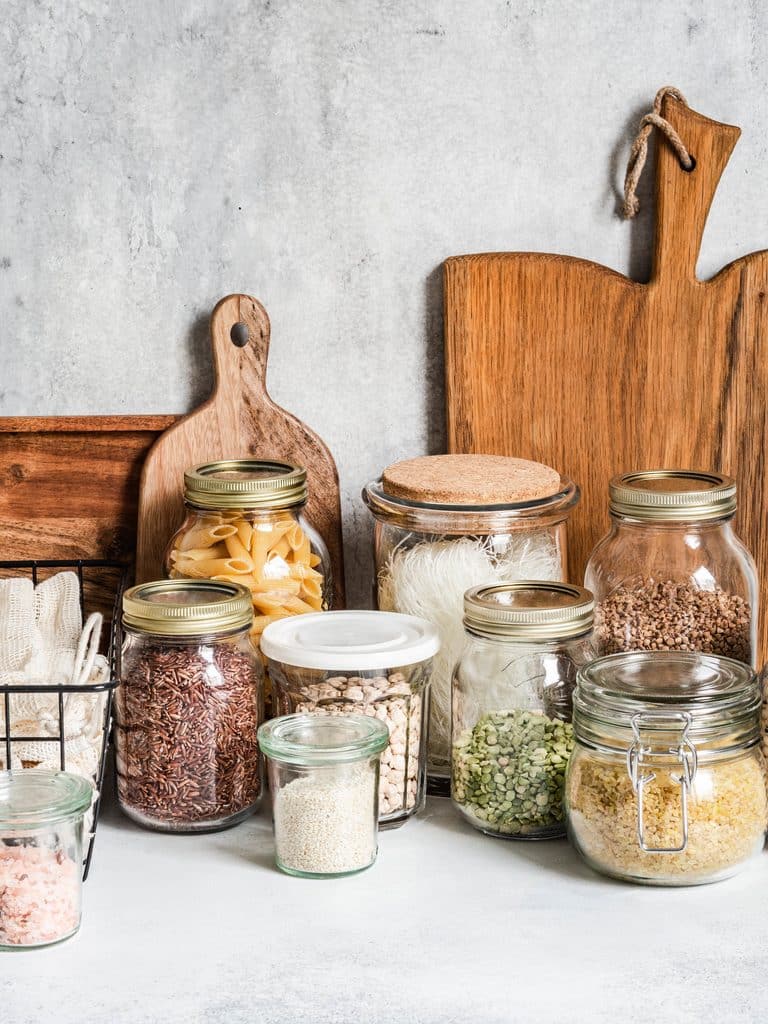
23. Reusing Jars Instead of Buying Containers
Every jar of pasta sauce or pickles is a free storage container once it’s washed out, and most of them seal better than the plastic tubs sold for the same purpose.
Leftovers, dry goods, homemade sauces, all of it fits. It stops the slow, expensive habit of buying matching container sets every year or two.
They stack fine in a cabinet, they’re freezer safe if left with headroom, and unlike most plastic tubs they don’t hold onto old smells or stains.
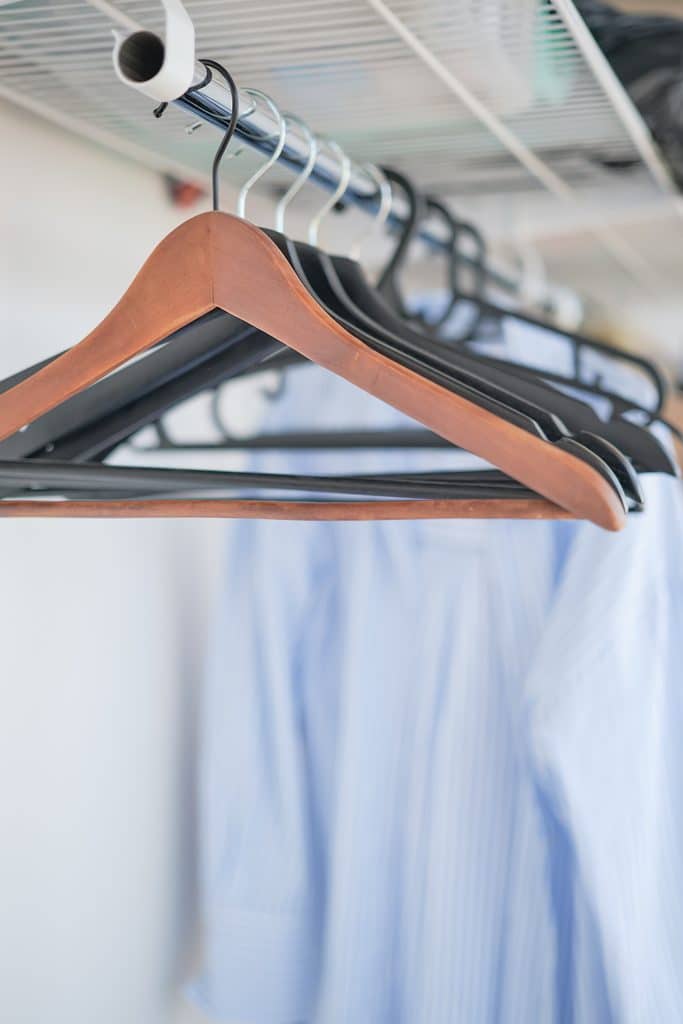
22. Air-Drying Clothes on Hangers Indoors
The Fine Print: this one is genuinely slower, and on humid days it can take most of a day to fully dry a load.
Hanging shirts and pants straight on hangers to dry, rather than running the dryer, skips one of the most energy-hungry appliances in the house entirely.
It also means fewer wrinkles and less ironing later, which is a nice side benefit nobody mentions when they recommend this one.
A tension rod in an unused corner or a closet doorway works fine if there’s no dedicated space for a drying rack.

21. Freezing Bread Before It Goes Bad
Bread molds fast, and most of it ends up in the trash before the loaf is finished. Slicing and freezing it the day it’s bought stops that entirely.
Frozen slices go straight into a toaster with no thawing needed. It sounds obvious once you hear it, but almost nobody actually does it until they’ve thrown out one too many moldy loaves.
Bagels, rolls, and tortillas all freeze the same way. It turns bread from something you have to finish on a deadline into something that waits for you.
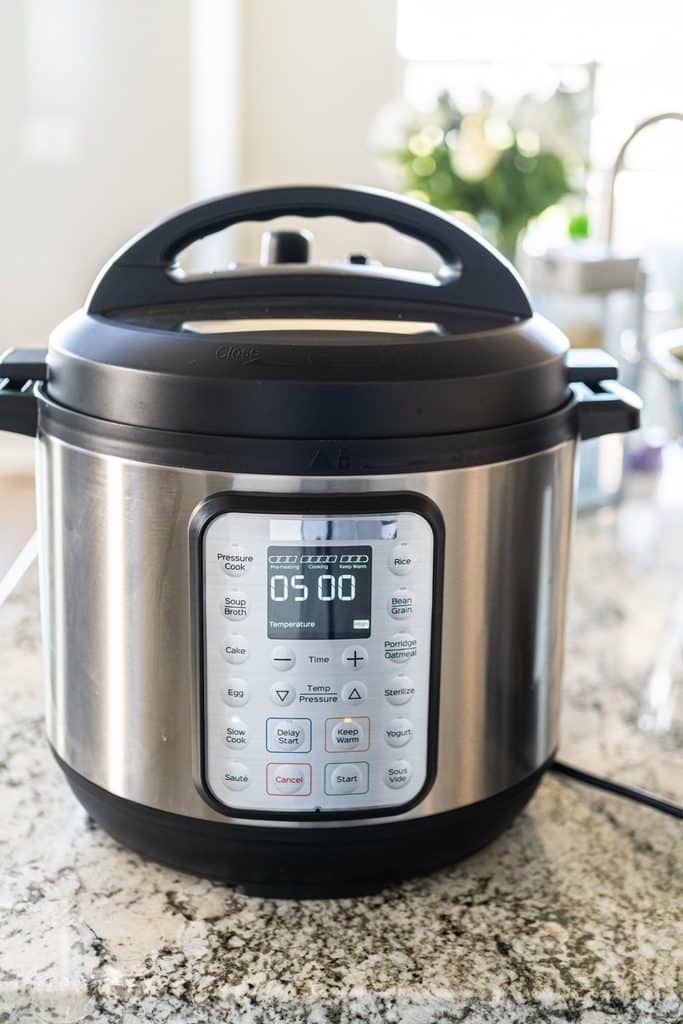
20. Cooking With a Pressure Cooker
A pressure cooker cuts cook time on beans, grains, and tough cuts of meat dramatically, which means less energy spent per meal and cheaper cuts of protein becoming genuinely tender.
Tom & Carrie's Pick
30 Things Frugal People Won't Waste Their Money On →
"Tom is offended by how many of these describe him exactly."
It also makes dried beans a realistic weeknight option instead of a weekend project, and dried beans cost a fraction of the canned version.
Tougher, cheaper cuts of meat that would normally need hours of braising come out tender in under an hour, which opens up whole sections of the meat counter that used to feel off limits on a budget.

19. Buying Whole Chickens Instead of Parts
Pre-cut chicken breasts carry a labor markup. A whole chicken, broken down at home with a decent knife, costs noticeably less per pound.
The carcass isn’t waste either. Simmered with vegetable scraps, it turns into stock that would otherwise cost several dollars a carton at the store.
Breaking one down takes practice the first few times and gets fast quickly. One chicken realistically covers a couple of dinners plus stock, which is hard for pre-cut parts to match.
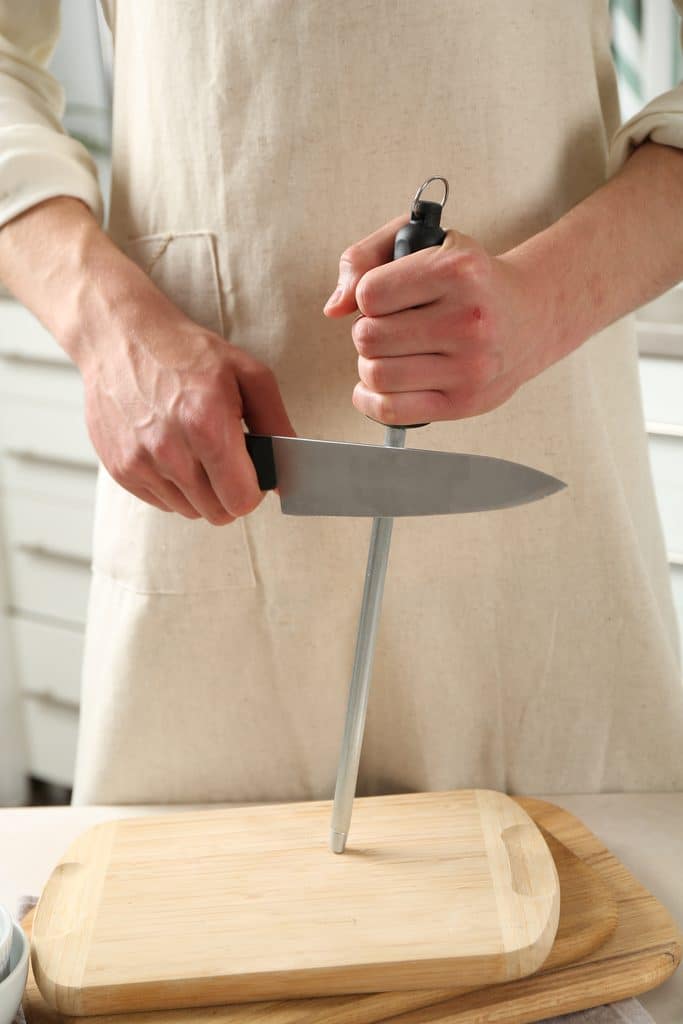
18. Learning to Sharpen Your Own Knives
A dull knife makes cooking harder and eventually gets replaced instead of fixed, even though sharpening is the actual solution. A basic whetstone costs less than one replacement knife.
Once the motion clicks, it takes a few minutes every couple of months. Every knife in the house effectively becomes a knife you never have to buy again.
A sharp knife is also safer than a dull one, since a dull blade needs more force and slips more easily. It’s a rare case where the cheaper habit is also the safer one.
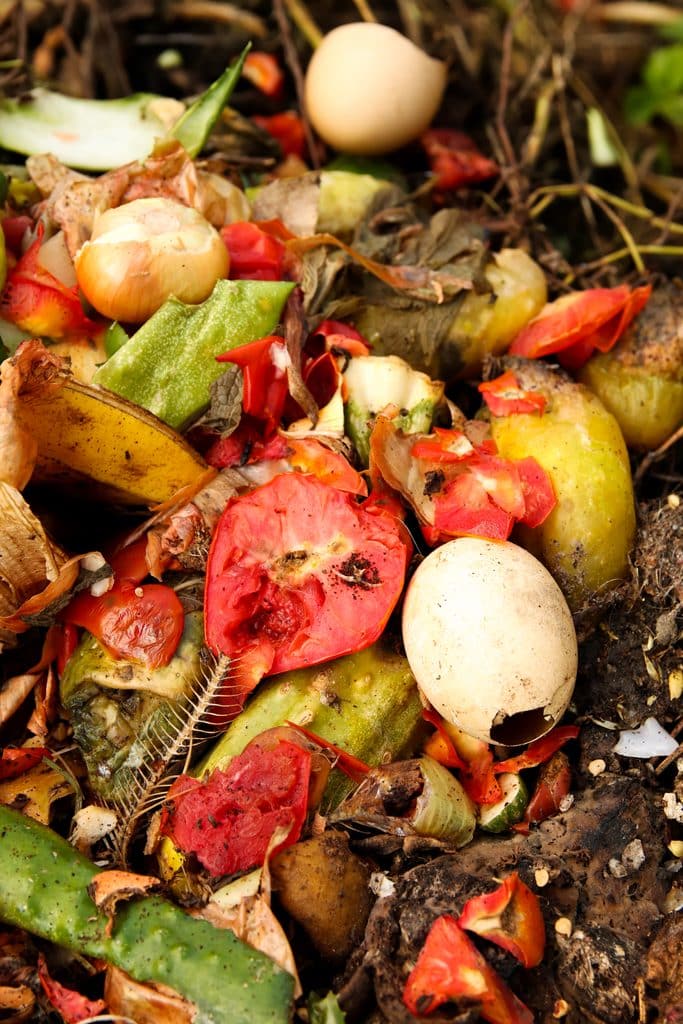
17. Composting Instead of Buying Fertilizer
Vegetable scraps, coffee grounds, and eggshells break down into fertilizer that would otherwise cost real money at a garden center every spring.
It also shrinks the trash bag, which matters more than people expect if the household pays for garbage by weight or bag count.
A basic bin doesn’t need a yard. A small countertop version works fine for anyone with even a couple of pots on a balcony.
Around this point in the list, it’s worth saying: nothing at #11 looks like it belongs here, and that’s exactly why it’s worth waiting for.
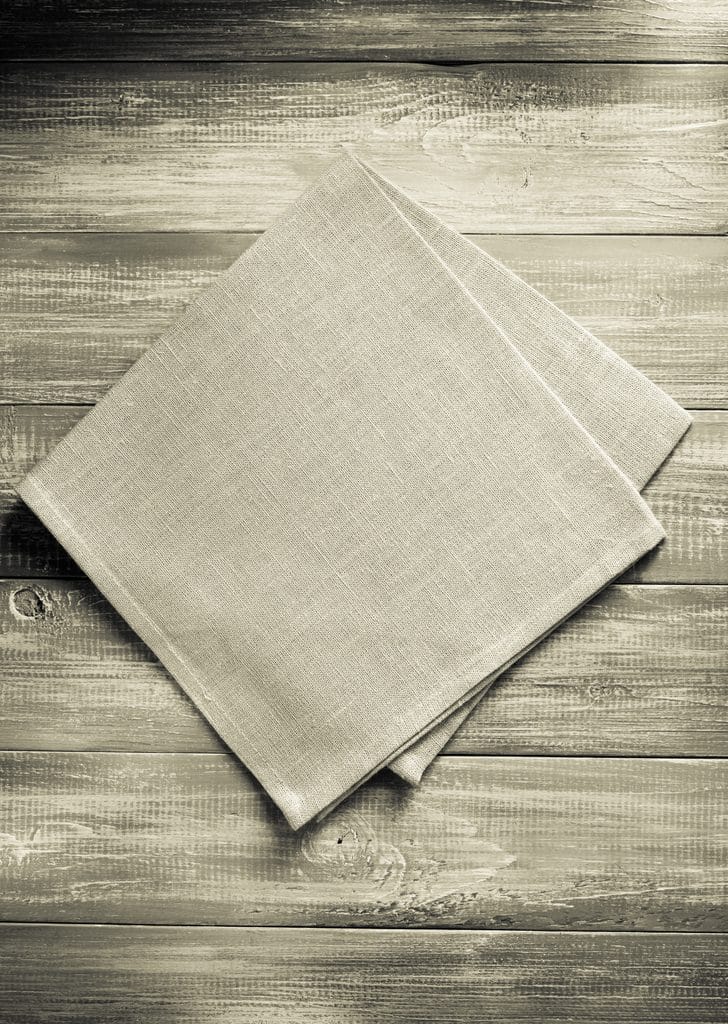
16. Switching to Cloth Napkins
A roll of paper towels or a pack of napkins is a small, constant, recurring cost that never shows up as one big number, which is exactly why it’s easy to ignore.
A stack of cloth napkins, tossed in with the regular wash, pays for itself within a couple of months and then just keeps working for years.
We kept a small roll of paper towels around for genuine messes, spills, and anything greasy. The cloth ones handle everyday meals just fine.
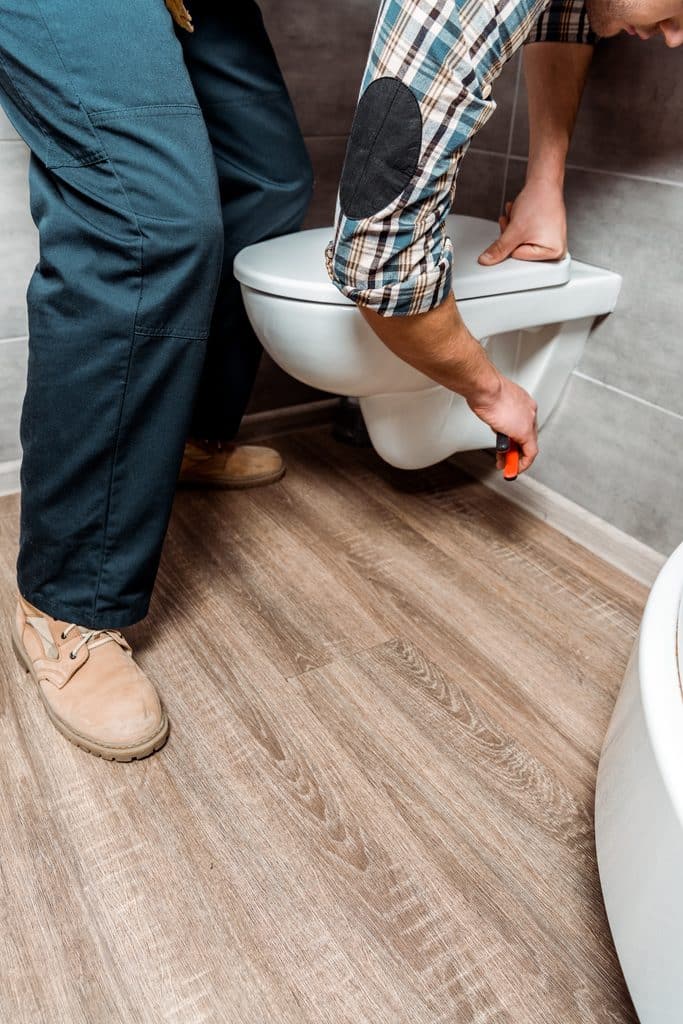
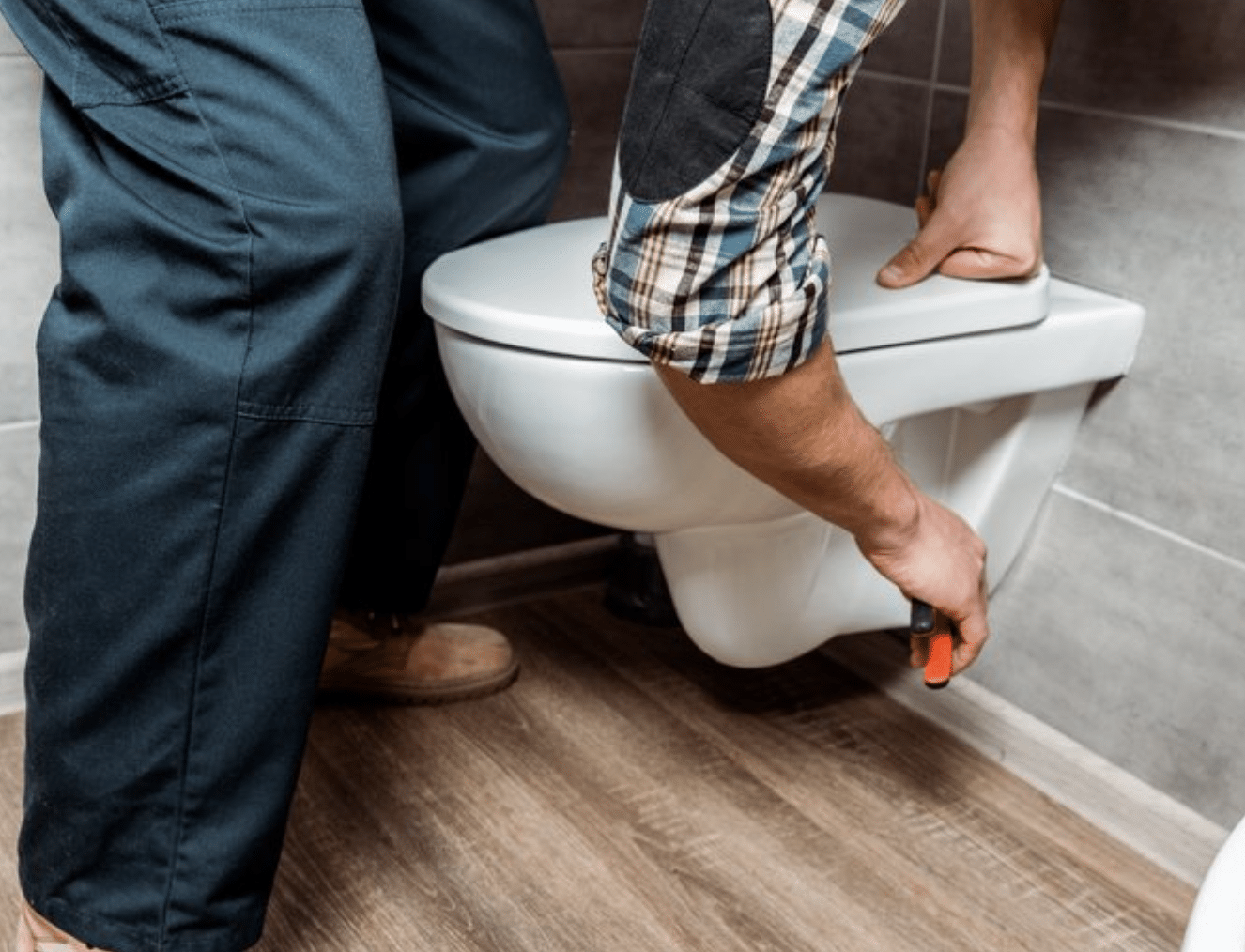
15. Fixing a Running Toilet Yourself
Real Talk: a running toilet can quietly waste a shocking amount of water a day, enough to notice on the water bill within a single cycle.
Most running toilets are a worn flapper, and a replacement flapper costs a few dollars at any hardware store. It’s a fifteen-minute fix with a screwdriver and no special skill.
You'll Also Love This
Calling a plumber for this same job costs far more than the part itself, sometimes for a repair that takes less time than the plumber spends writing the invoice.
Turning off the water valve behind the toilet first makes the whole job mess-free, even for someone doing it for the first time.
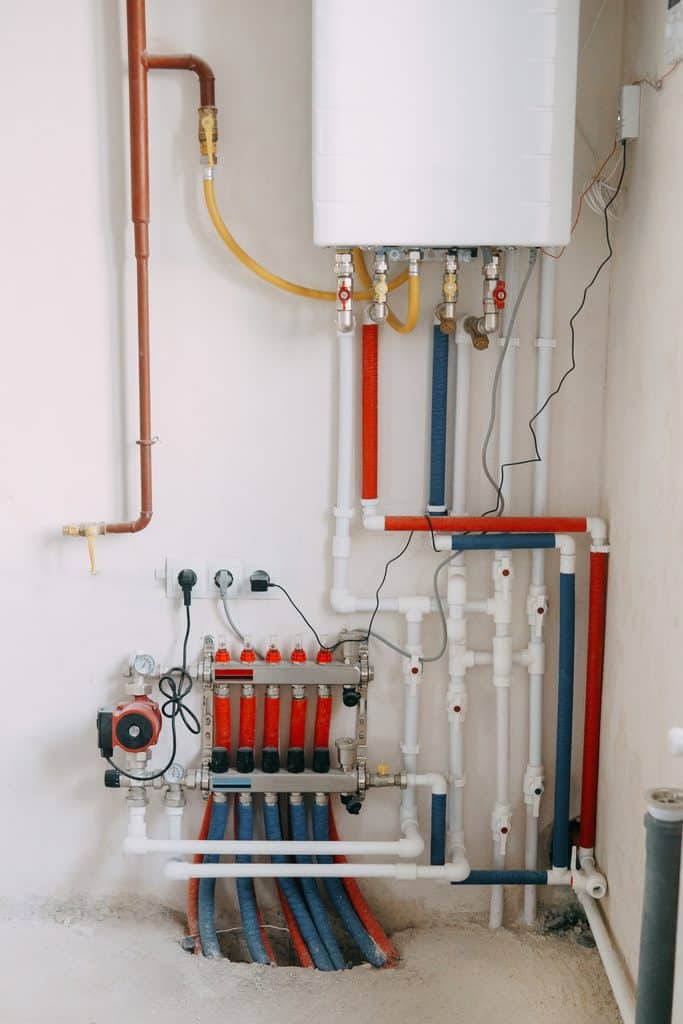
14. Turning Down the Water Heater
Most water heaters ship set hotter than any household actually needs for showers or dishes. Dropping the setting a few degrees still delivers comfortably hot water.
It also reduces the odds of a scalding surprise for anyone who touches the tap first. The energy savings show up on the bill every month without anyone noticing a difference in the shower.
Most units have the dial somewhere near the bottom, and adjusting it takes about a minute with no tools required.