

35 Money Habits Grandparents Swore By That Still Work Today

Somewhere between school lunch money and the retirement fund, grandparents figured out something we’re all still relearning. They didn’t have apps or automatic transfers. They had jars, notebooks, and a stubborn refusal to buy what they couldn’t pay for.
Some of these habits look old-fashioned until you actually try them. Then they look like the smartest thing your family did quietly for decades, without a single spreadsheet. We tested every one of these in our own house, and the one at #1 caused a small disagreement about our own bank account that we still haven’t fully settled.
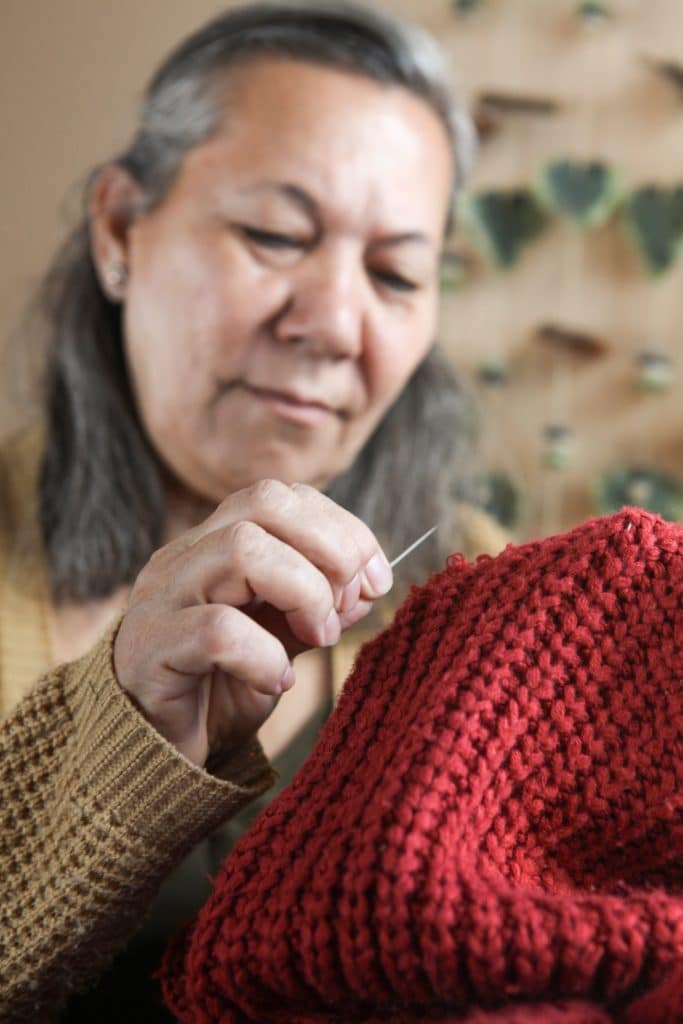
35. Mending Clothes Instead of Replacing Them
Grandparents kept a sewing kit within arm’s reach, and it actually got used. A torn seam or a missing button wasn’t a reason to buy something new. It was a ten-minute fix on a Tuesday night.
Most households kept a tin of loose buttons pulled off shirts before they went into the rag pile, ready for exactly this moment. The habit wasn’t really about the money saved. It was about treating clothes like they were supposed to last years, not one season.
Learn to sew on one button and you’ll stop throwing out a good shirt over it.
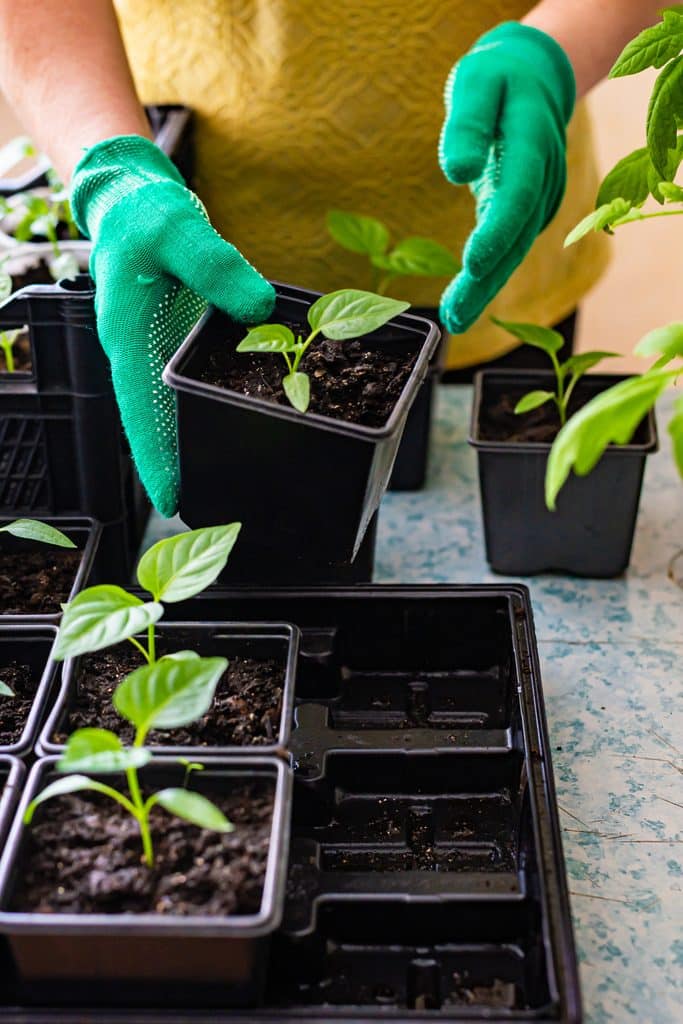
34. Growing Something, Even a Little
You didn’t need a farm. A few tomato plants and a row of green beans along the fence line did real work on a summer grocery bill. Grandparents treated a backyard garden as a line item, not a hobby.
What they grew, they also preserved, which meant the savings didn’t stop when the growing season did. A shelf of jars in the basement was a grocery bill paid months in advance.
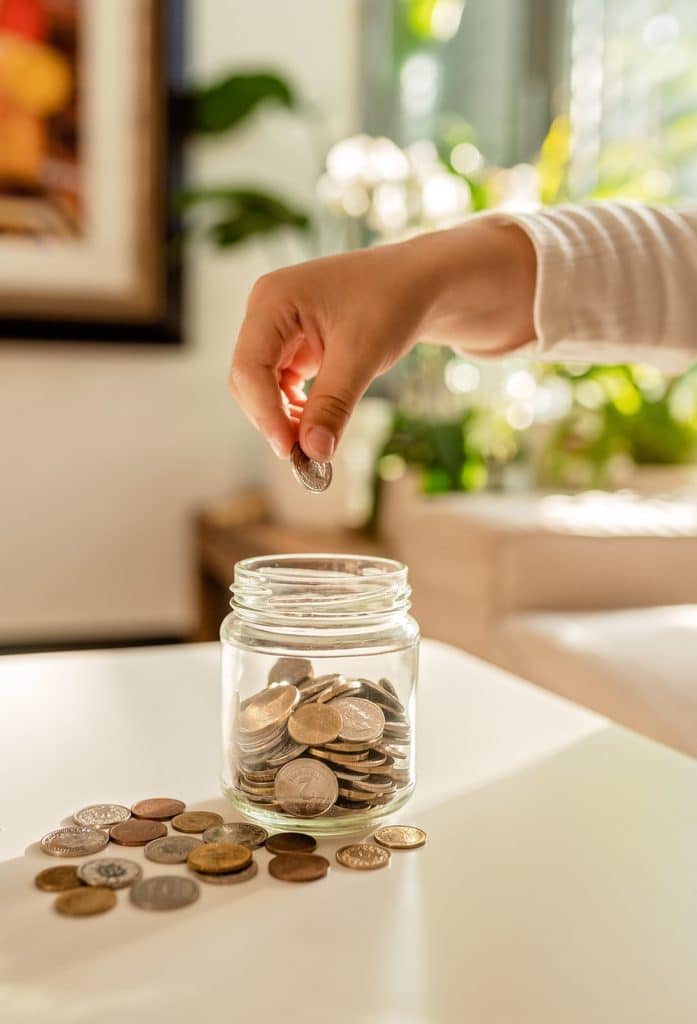
33. Keeping a Coin Jar on the Counter
Every bit of loose change went into a jar by the end of the day, no exceptions. One grandmother kept hers on top of the refrigerator, and by the time it filled up, it usually covered a full grocery trip.
It worked because it removed the decision entirely. Change wasn’t spendable money, it was jar money, and jar money had a different job.
Put a jar somewhere you’ll actually see it, and let the change disappear from your daily math.
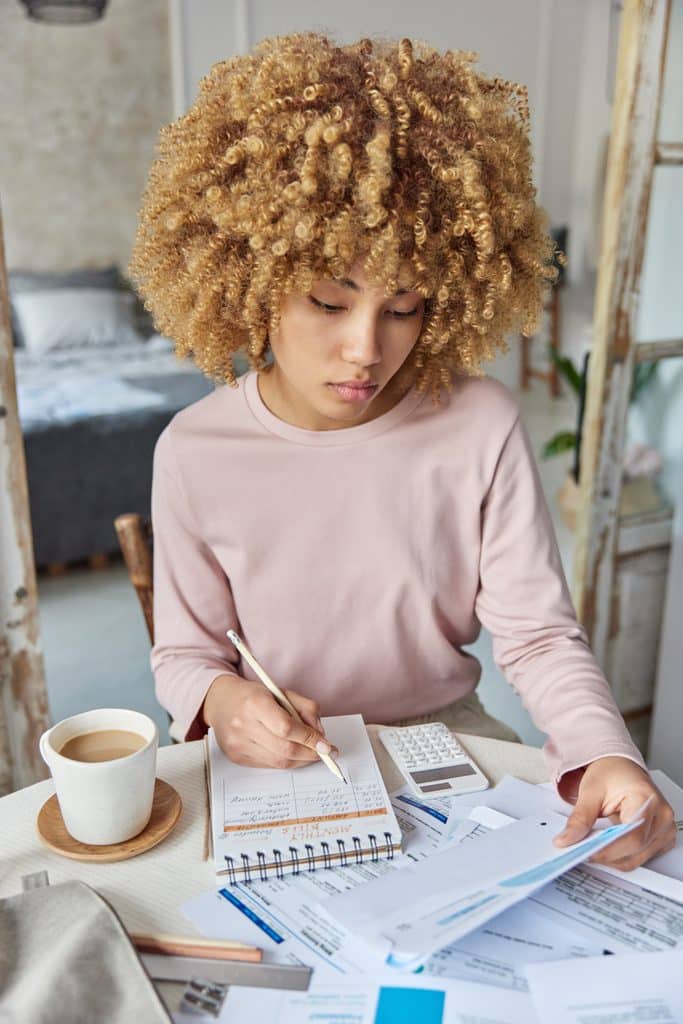
32. Writing Every Purchase Down by Hand
Before there was an app to do it automatically, there was a small notebook by the phone. Every purchase, from gas to groceries to the occasional treat, got written down in pencil.
The point wasn’t the record itself. It was the friction of stopping to write it, which made a person actually notice what they were spending, in a way a card swipe never quite manages.
31. Using Layaway Instead of Credit
Want something you couldn’t pay for outright? You put a little down at the store, paid it off in pieces over a few weeks, and picked it up once it was fully yours. No interest, no debt, just patience with a receipt.
Layaway programs are much harder to find now, and plenty of stores dropped them years ago. That’s the honest catch with this one. The spirit still works, though: some retailers and small shops still offer a version of it, and a simple “save first, buy later” system does the same job at home with none of the paperwork.
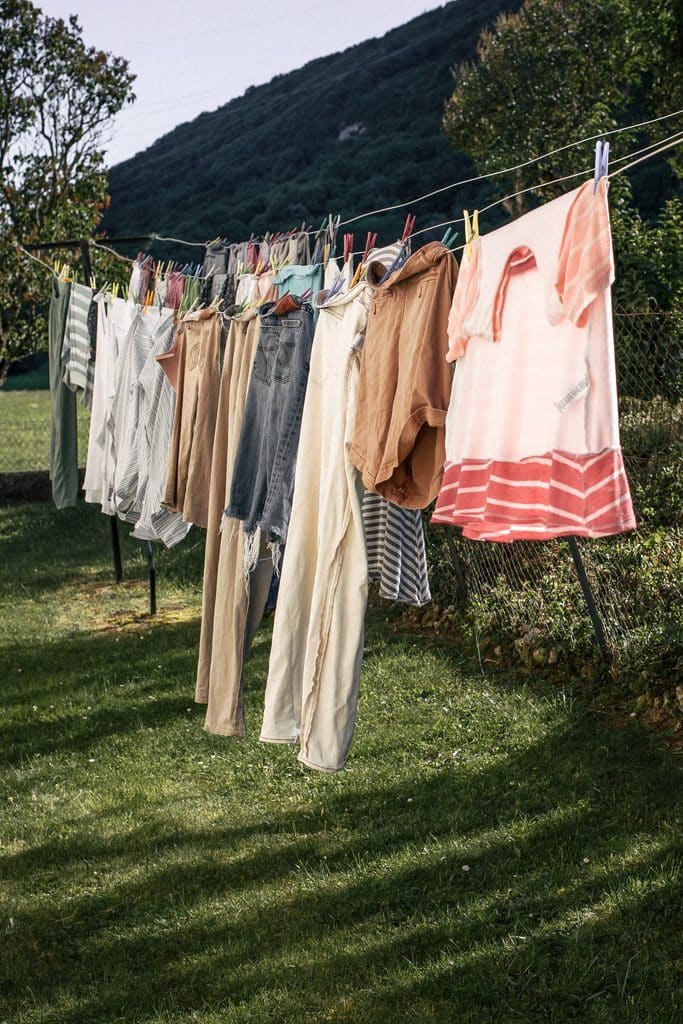
30. Line-Drying Laundry
A clothesline in the backyard did the dryer’s job for free, using nothing but wind and a few clothespins. It also made clothes last longer, since heat is what breaks down elastic and fabric fibers over time.
It’s a slower habit than tossing a load in the dryer, and it depends on having a yard and decent weather. On the days it’s possible, it’s still one of the easiest savings on this whole list.
Wait until you see what beat this one at #4. It’s a habit that sounds boring and turns out to be the one we argue about most.
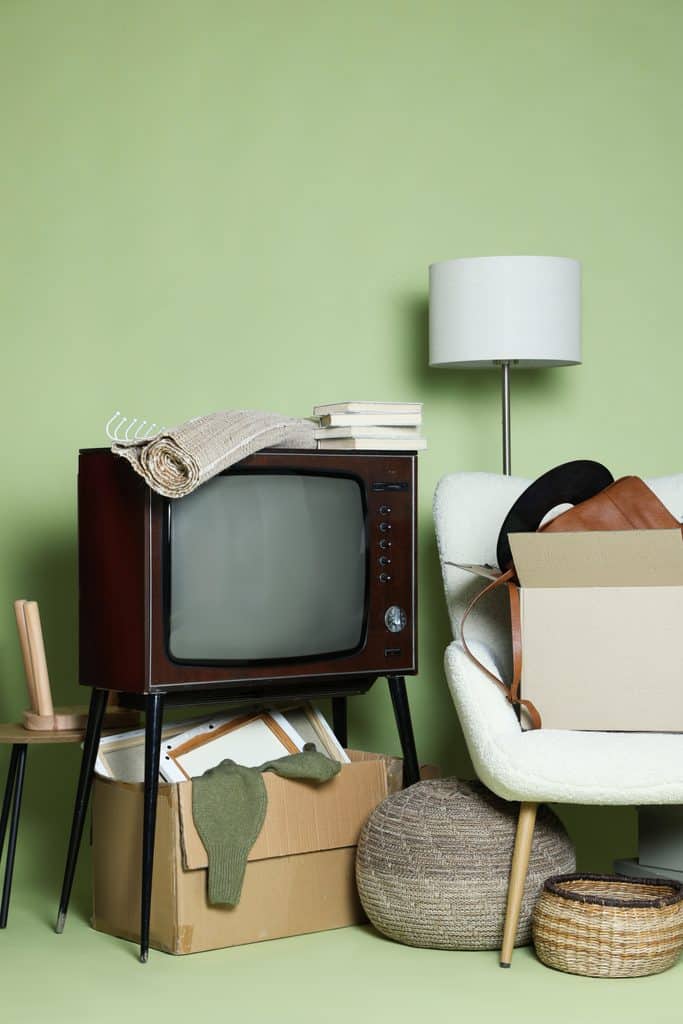
29. Buying Secondhand Furniture First
New furniture was a last resort, not a first stop. Estate sales, secondhand shops, and a neighbor moving away were where grandparents furnished a house, and the pieces were often built better than what replaced them decades later.
A dresser built from solid wood in the 1960s will usually outlast three cheap replacements bought new. Buying it used the first time just meant getting to the good stuff faster.
Keep the Laughs Going
32 Strange Household Tricks That Actually Saved People Money →
28. Cash Envelopes for Groceries
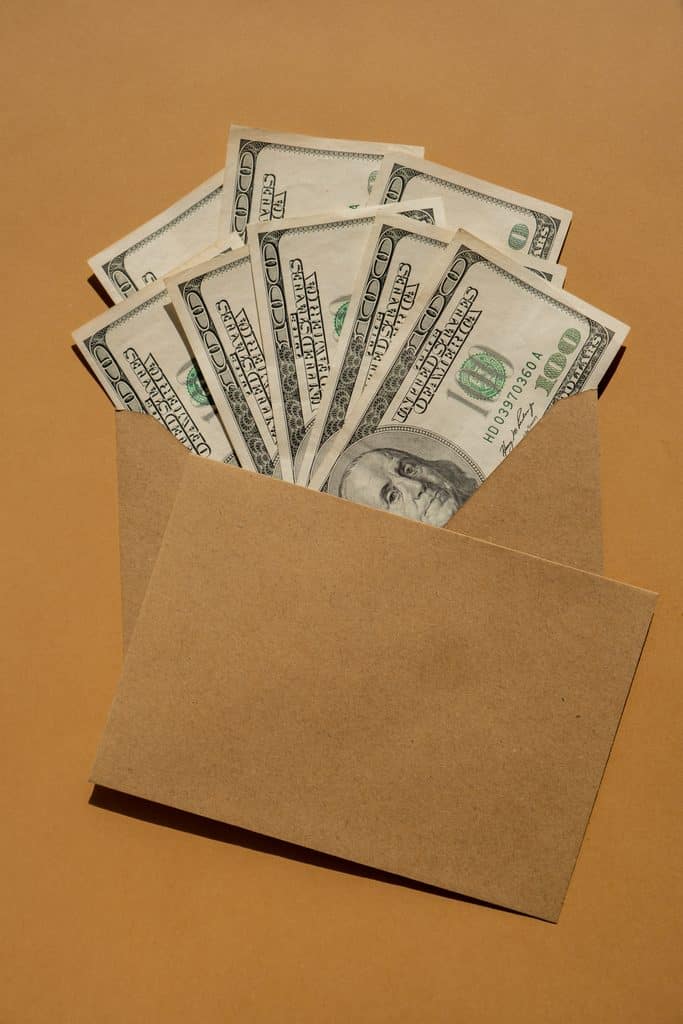
An envelope with the week’s grocery money in it, and when it was empty, that was the meal plan for the rest of the week. No card to fall back on, no way to quietly go over.
It sounds strict, but it worked precisely because it was strict. Modern versions of this exist as digital sub-accounts now, but the original envelope did the same job with a rubber band and a little willpower.
27. Cooking One Big Pot on Sunday
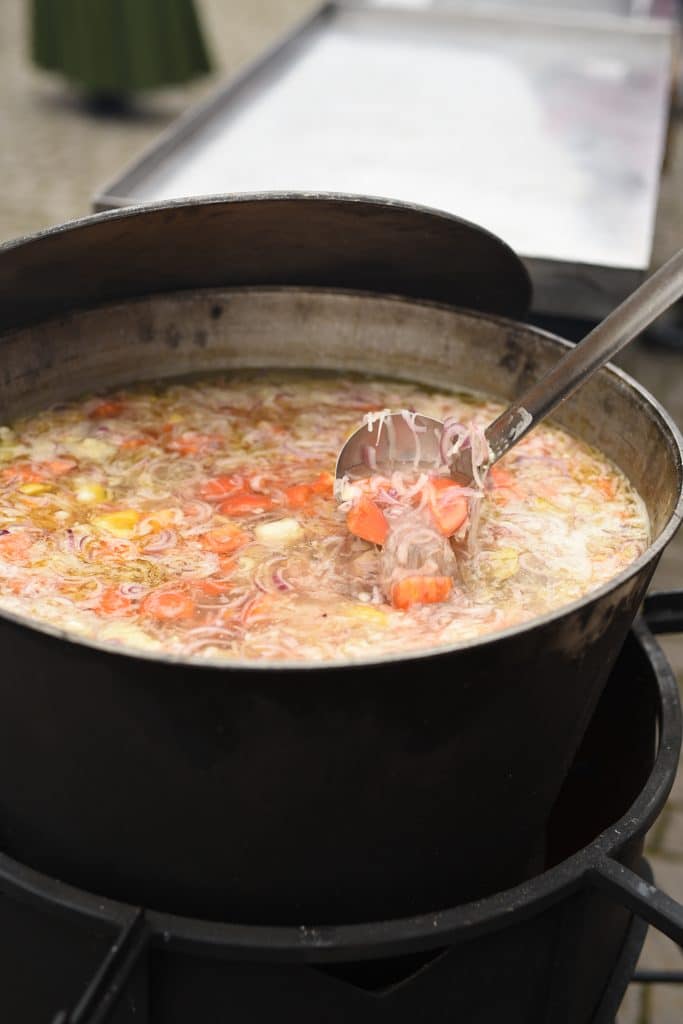
A large pot of something, a stew, a roast, a pot of beans, made on Sunday and stretched across several dinners during the week. It meant fewer trips to the store and almost no last-minute takeout.
It also meant a hot dinner was already halfway done on the busiest weeknights, which mattered as much for sanity as it did for the grocery budget.
26. Buying in Bulk, but Only When It’s Actually Cheaper
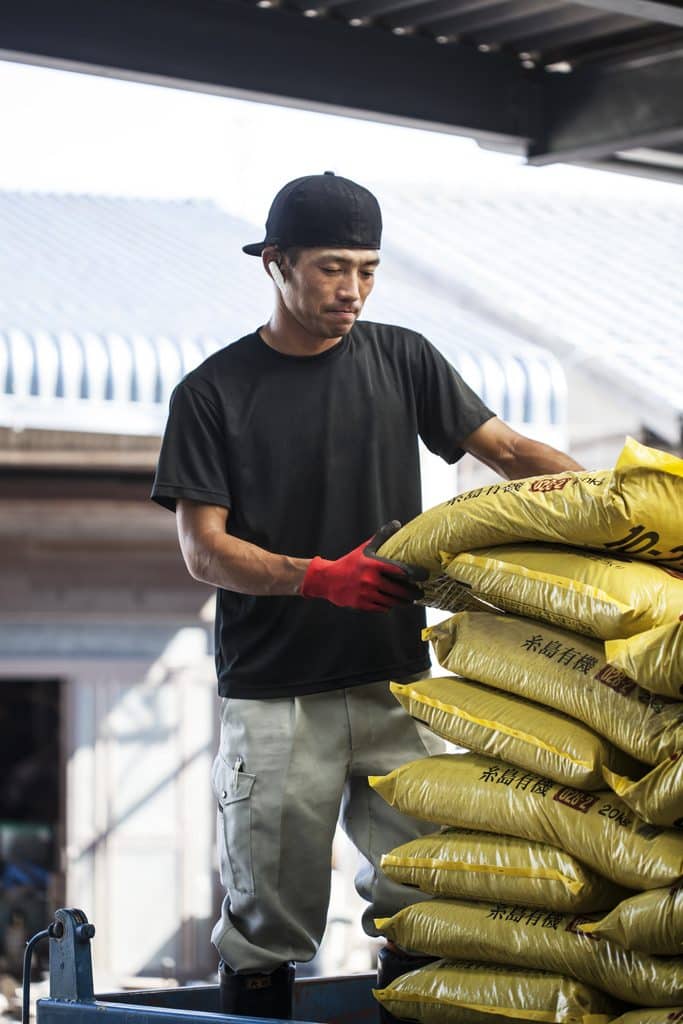
Grandparents stocked up on flour, rice, and canned goods when the per-unit price was genuinely lower, not just because the package was bigger. They did the math before they filled the cart.
That distinction still matters. A giant container of something you’ll use half of before it expires isn’t a deal, it’s clutter with a receipt.
Check the unit price, not the size of the box, before you decide it’s a bargain.
25. Waiting a Week Before a Big Purchase
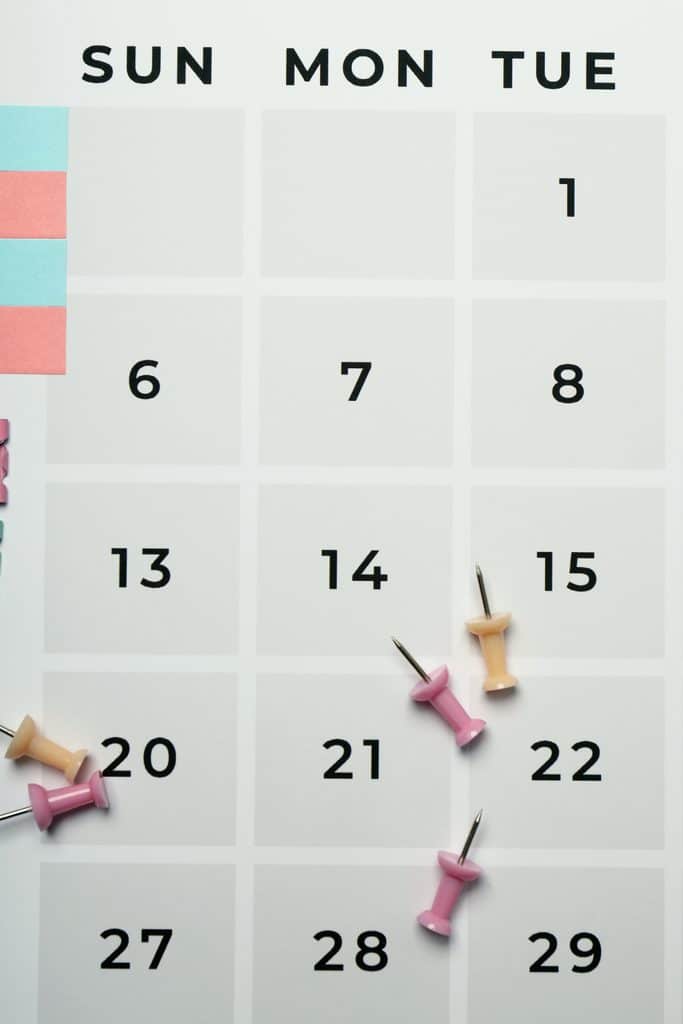
Before a big purchase, there was a built-in cooling-off period. Not because of a rule written anywhere, but because getting to the store, comparing prices, and actually deciding took time on its own.
That delay quietly filtered out a lot of impulse buys. If you still wanted it a week later, it was probably worth buying. If you’d forgotten about it, you’d just saved yourself the money.
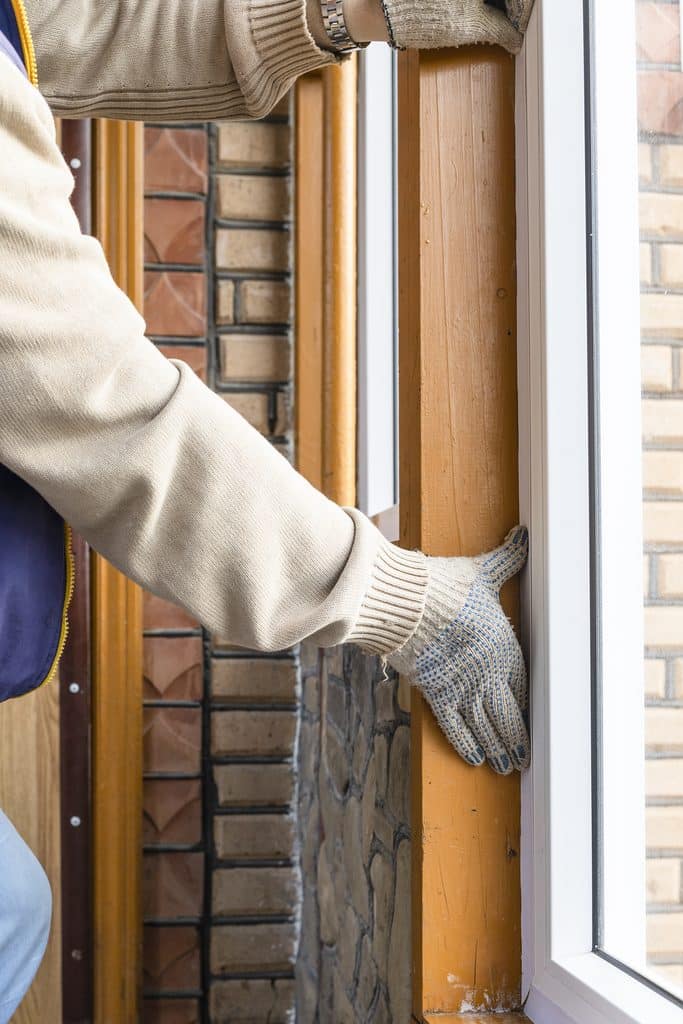
24. Keeping a Running Household Repair List
A running list on the fridge or in a drawer, tracking what around the house needed fixing. Small repairs got grouped and handled together instead of paying for separate visits or letting things quietly break further.
A loose hinge left alone becomes a broken door. Grandparents caught the small stuff early, which is usually the cheap version of the same problem.
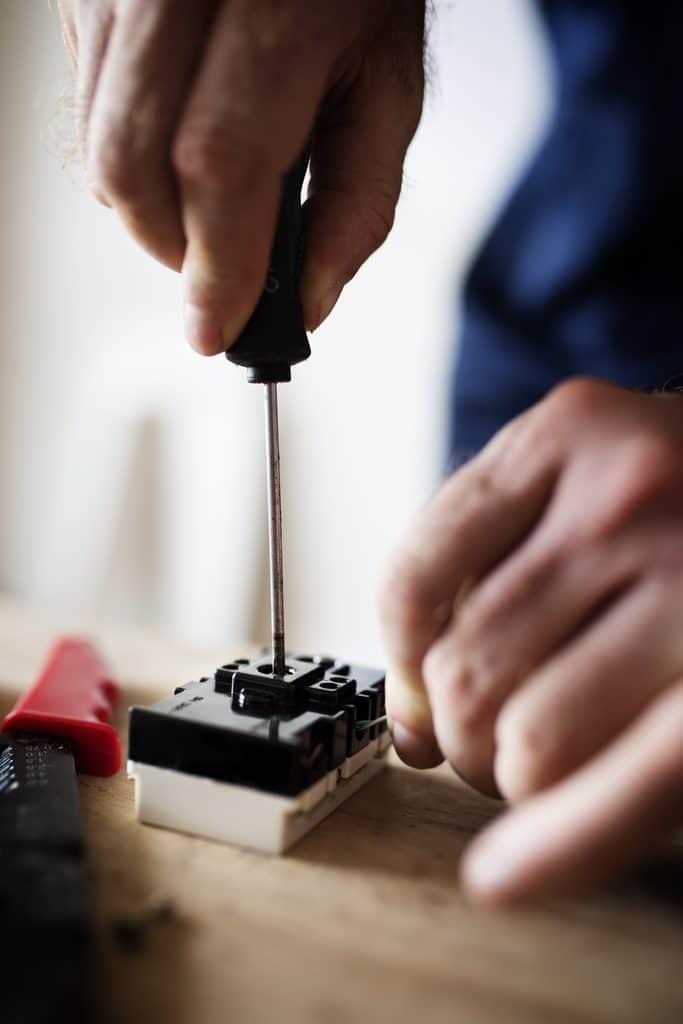
23. Fixing It Yourself Before Calling Someone
A leaky faucet, a wobbly chair, a stuck zipper, all handled with a toolbox and a bit of trial and error before anyone considered paying someone else to do it. A basic repair manual lived on a shelf in most garages.
Not every fix worked on the first try, and that was fine. Even a failed attempt taught you enough to make the eventual professional visit shorter, and cheaper, if it came to that at all.
Every 90s kid remembers a parent flat on their back under the sink, muttering. Turns out that was the money habit the whole time.
Tom & Carrie's Pick
30 Things Frugal People Won't Waste Their Money On →
"Tom is offended by how many of these describe him exactly."

22. Paying a Little Extra on the Mortgage
Whenever there was a little slack in the budget, an extra amount went straight toward the principal on the house payment. Not a lot, sometimes just enough to round up to the next whole number.
Over years, that small habit shaved real time off the loan and real money off the interest. It’s one of the few habits on this list that’s actually easier to automate today than it was back then.
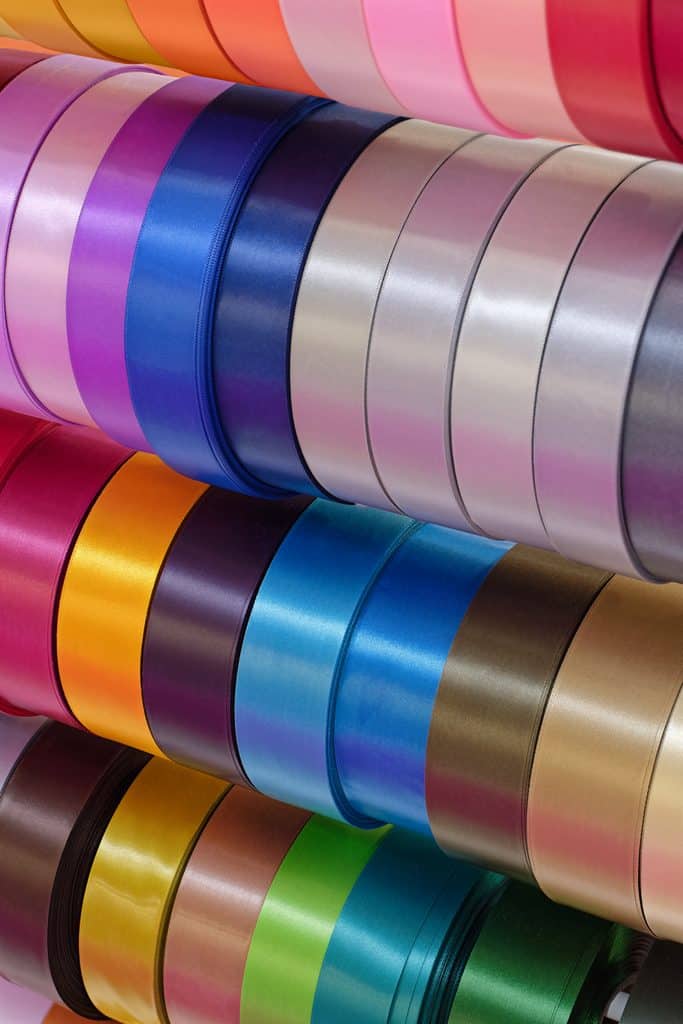
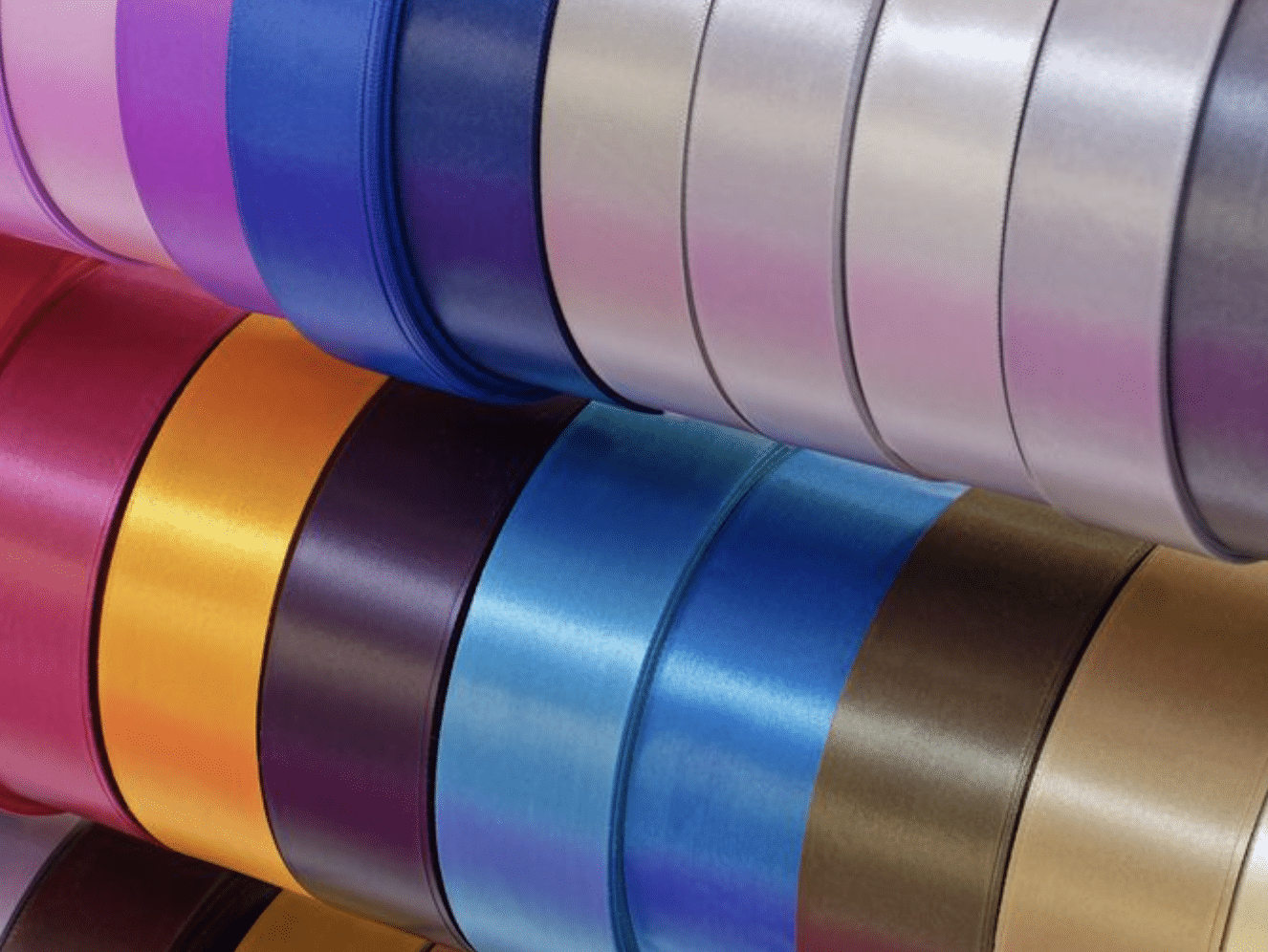
21. Saving Ribbon, Bags, and Wrapping Paper
Wrapping paper got folded and reused. Gift bags went into a drawer for the next birthday. Ribbon got carefully un-knotted instead of cut, which felt slightly unhinged and was also completely correct.
It’s a small habit, but it adds up over a household’s worth of birthdays and holidays every single year, and it takes almost no effort to keep.
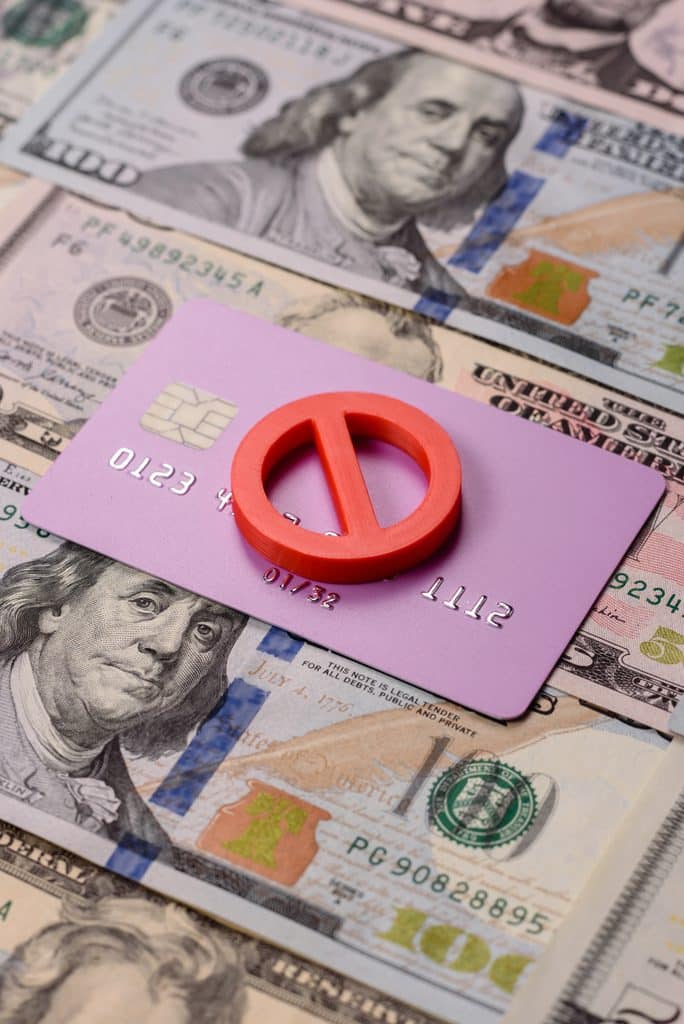
20. Never Carrying a Balance
If a credit card was used at all, it was paid off in full every month, no exceptions. Grandparents treated the balance like a chore that had to be finished before bed, not a number to think about later.
Interest on a carried balance is one of the most expensive ongoing costs a household can quietly accept. Avoiding it entirely is still one of the single biggest money habits on this whole list.
Pay it off in full or don’t use it. There isn’t really a middle option that works.
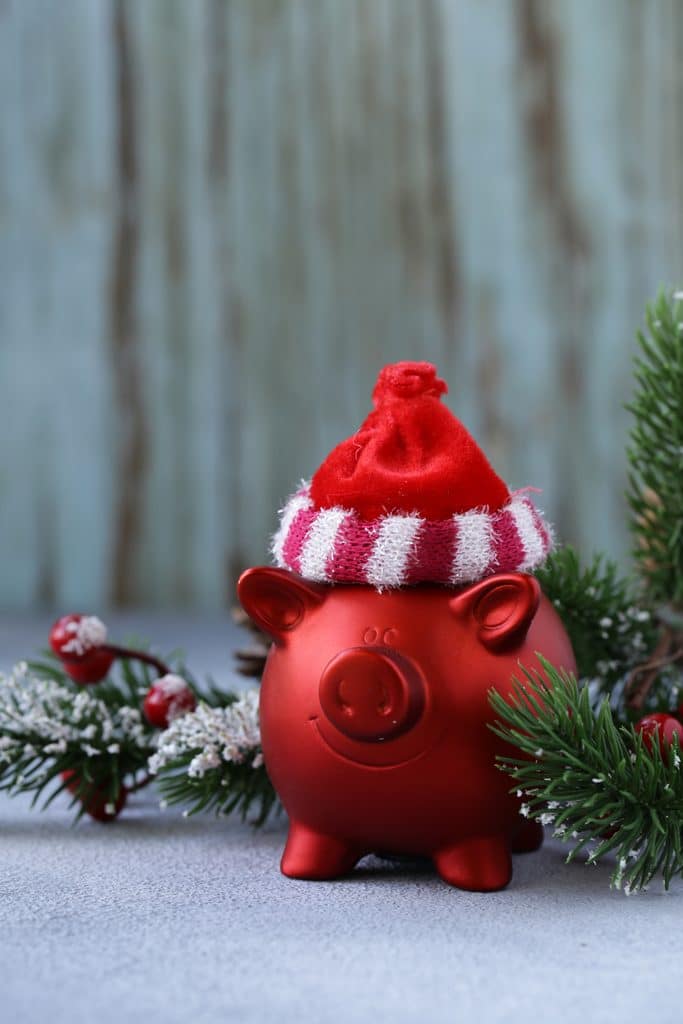
19. The Holiday Club Account at the Bank
Plenty of local banks used to offer a savings account made just for the holidays. You’d deposit a set amount all year, and it paid out right before the season started, already earmarked and ready to spend.
It sounds like an unnecessary extra step when you could just save on your own, and honestly, it kind of is. But the ritual of it worked. A dedicated account with a specific name is still one of the easiest ways to make yourself actually save toward something instead of just meaning to.

18. Buying One Good Coat Instead of Five Cheap Ones
A well-made winter coat cost more upfront, and grandparents bought it anyway, because it would outlast five flimsy versions bought one after another. The math only works out if the good one actually gets worn for years, not one season.
This is the “buy it once” principle, and it applies to boots, tools, and kitchen knives just as much as coats. Cheap and frequent usually costs more than expensive and rare.

17. Keeping a Car for a Decade or More
A car wasn’t traded in every few years just because a newer model existed. It was maintained, driven, and kept as long as it kept running. One grandfather in the family drove the same truck for nineteen years and treated the idea of trading it in as a personal insult.
A car loan is one of the more expensive habits a household can repeat every few years without noticing. Skipping that cycle, even occasionally, keeps real money out of a payment and into everything else.
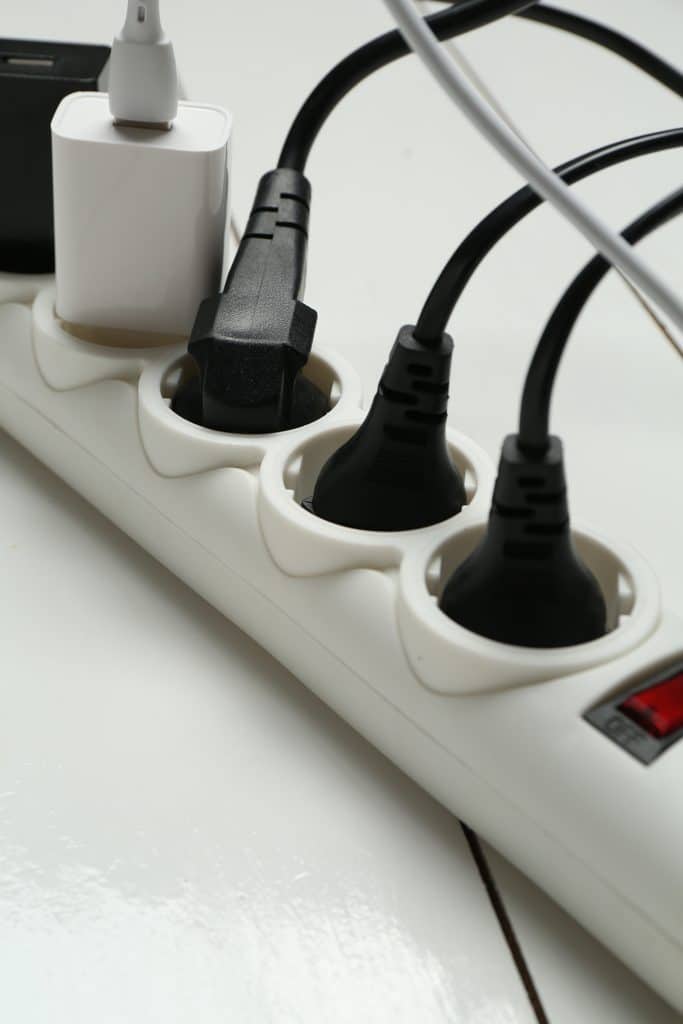
16. Turning Off Lights and Unplugging What Wasn’t in Use
Leaving a room meant flipping the switch, and anything not actively running got unplugged. It was practically a reflex, drilled in from childhood by whoever paid the electric bill.
You'll Also Love This
26 School Cafeteria Memories That Still Haunt an Entire Generation →
Here’s the honest part: on a modern bill, this habit barely moves the needle compared to heating, cooling, and larger appliances. It’s a good habit to have, but it won’t do the heavy lifting people remember it doing. The bigger savings today live elsewhere on this list.