

Real Life Hacks Your Grandmother Never Threw Away

Every grandmother we’ve ever met kept a drawer, a jar, or a shoebox that made no sense to anyone else in the house. Ours were no different. We went digging through the habits our families never explained, they just did them, and found twenty-five that still hold up decades later.
Some are cleaning tricks. Some are organizing systems that predate the word organizing. All of them survived because they worked.
None of it was ever labeled hacks or tips at the time. It was just how the house ran, quietly, in the background, for as long as either of us can remember.
Wait until you see what’s still sitting in our kitchen drawer at #1. It caused a standoff in our house that took a full week to settle.
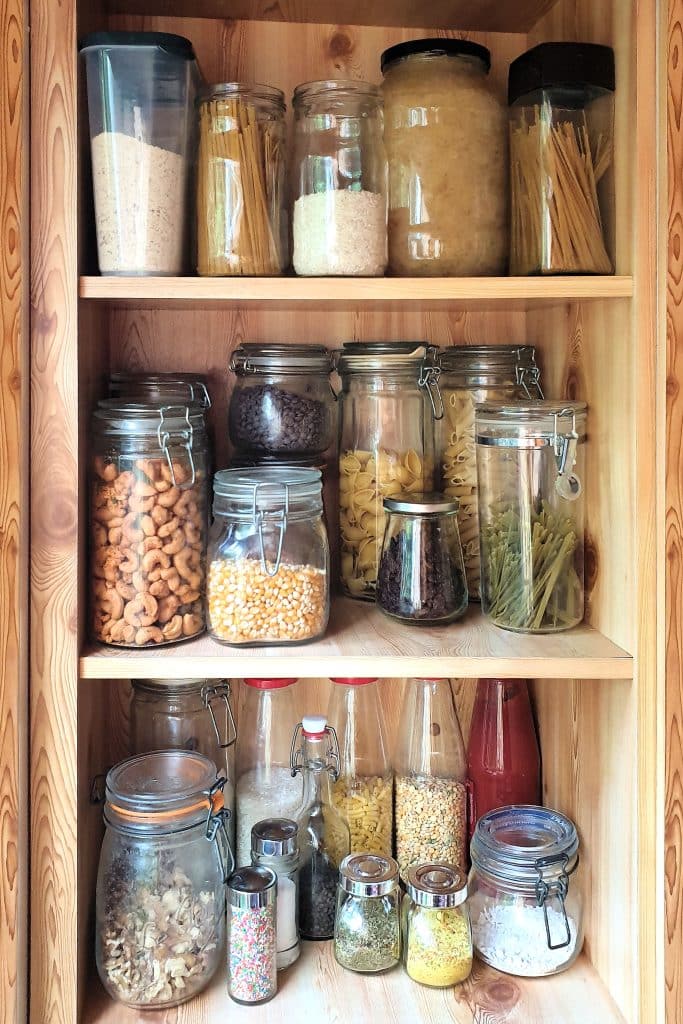
25. The Jar Cabinet
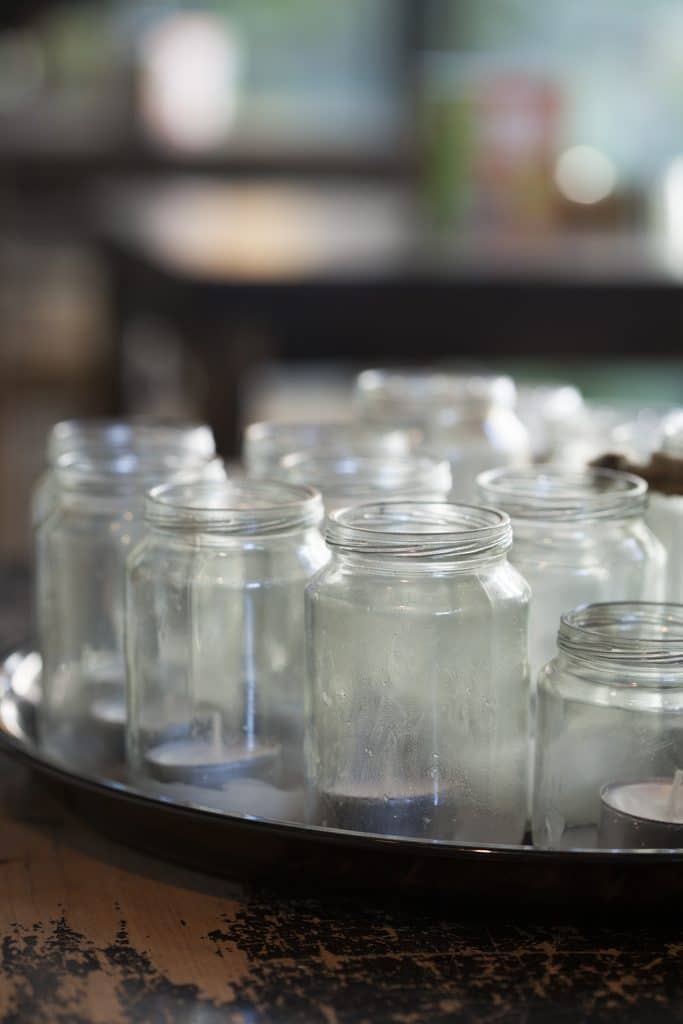
Every empty jar in our house went into a cabinet instead of the recycling bin. Big pasta sauce jars became flour bins. Small jam jars held nails, screws, and exactly one button nobody remembers losing.
The real trick was never buying a container when a free one already existed in the trash. That habit alone has saved us more money on storage bins than we’d like to admit.
We separated jars by size instead of by what they used to hold, which turned out to matter more. A big jar beats a plastic bin for rice or oats every time, since you can see exactly how much is left without opening it.
House Rules: a jar earns one more life before it leaves the house. No exceptions, unless it still smells like pickles.
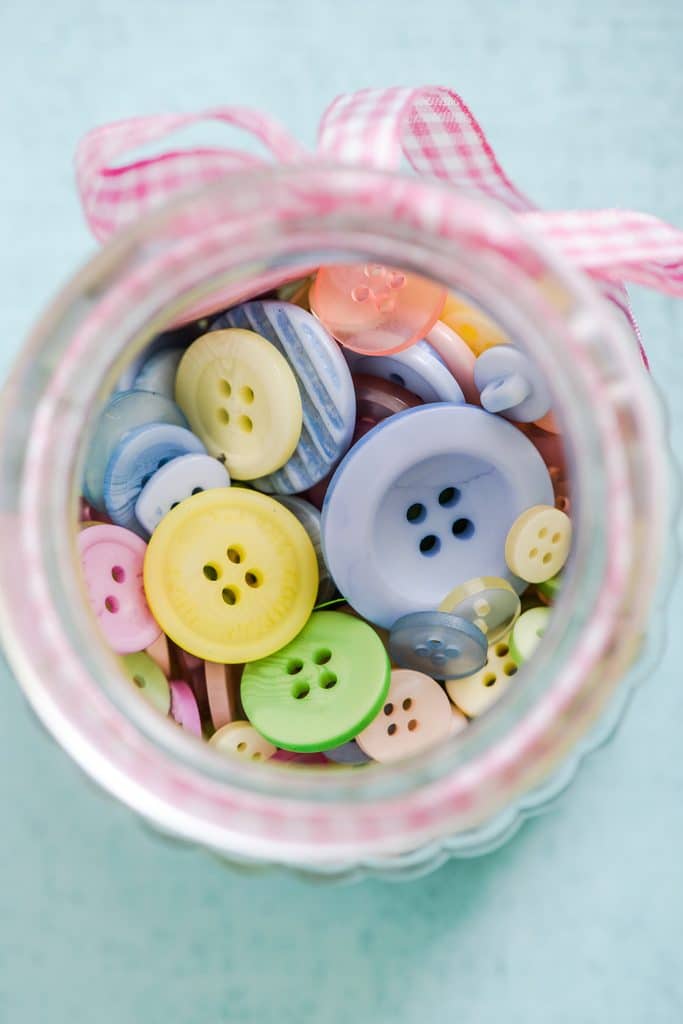
24. The Button Jar
Every stray button that fell off a shirt went into a jar by the sewing kit, sorted by absolutely nothing. Carrie still has her grandmother’s actual button jar sitting on the shelf.
It looks disorganized until the exact moment a coat loses its top button and you need a match right now. That jar has saved more jackets than any tailor we’ve ever paid.
Sorting by nothing turned out to be a feature, not a flaw. Digging through mismatched buttons for two minutes still beats driving somewhere to find a single replacement that barely anyone stocks anymore.
Every jar like this ends up holding a few mystery buttons that clearly belong to something, just not anything currently in the closet. We’ve made peace with keeping them anyway, on the off chance the shirt turns up again.
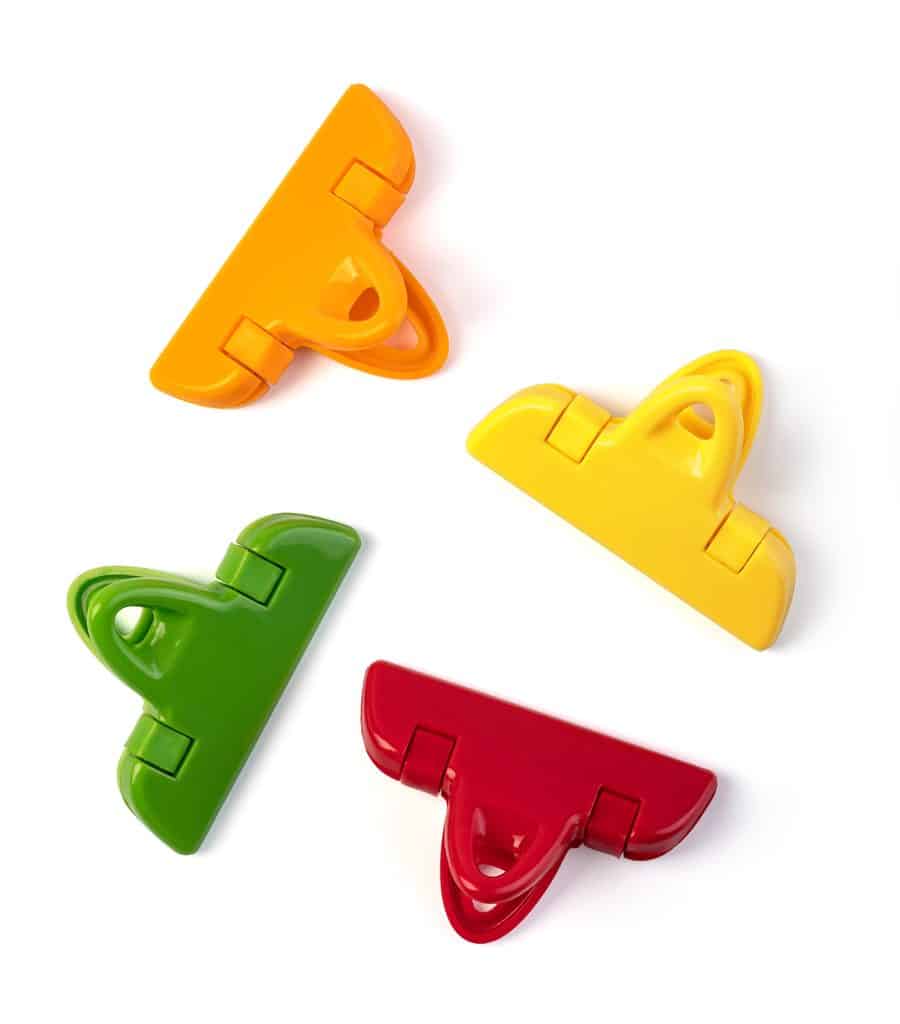
23. The Bread Bag Clip Drawer
Every plastic clip from every loaf of bread got saved in a small drawer near the toaster. They seem useless until a bag of chips needs closing at eleven at night.
Now we use them for cords too, one clip per charger, labeled in permanent marker so nobody argues over whose cable is whose. It’s a two-dollar system that beats anything sold as a cord organizer.
The drawer never has a lid or a label, and it never needs one. Anyone in the house can open it blind and find a clip within about five seconds, which is more than we can say for most of our actually organized drawers.
We’ve tried replacing them with clips bought specifically for the job, and somehow the free ones always work better. There’s no good explanation for that, just years of evidence.
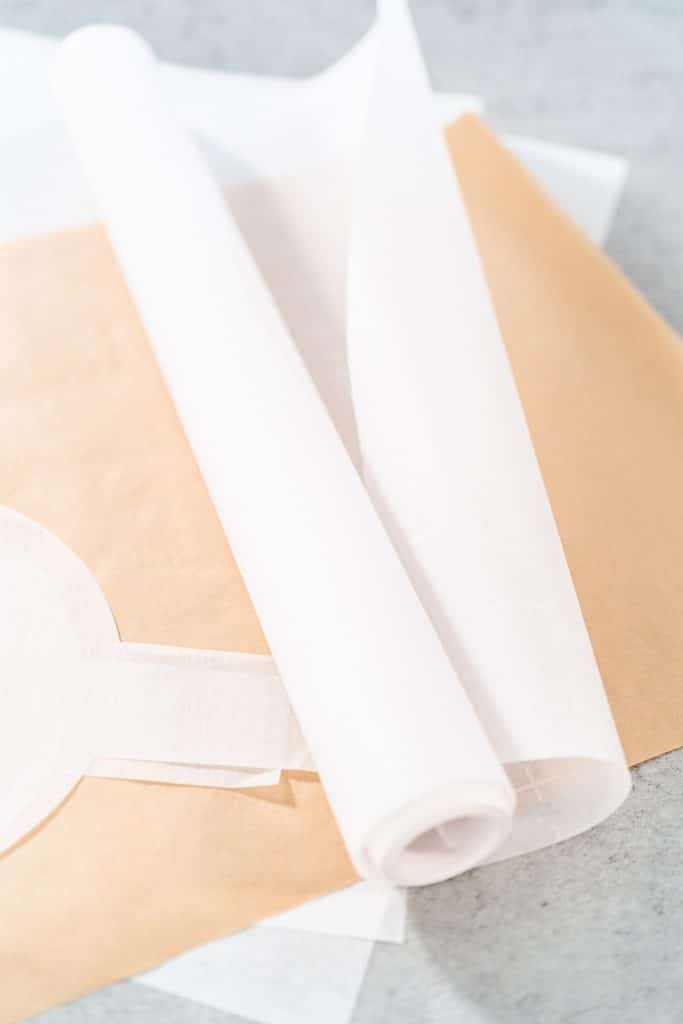
22. Wax Paper Over the Bowl
Before plastic wrap took over every kitchen, a square of wax paper and a rubber band did the same job. It covered a bowl of leftovers just fine and could be reused twice before it wore out.
We still keep a roll in the drawer for the nights we run out of anything cling-wrapped. It folds flatter, tears less, and doesn’t stick to itself the second you look at it wrong.
Folding it in thirds instead of crumpling it keeps the paper flat enough to reuse a second time. It also takes up almost no room in a drawer, unlike a bulky roll of anything plastic.
Real Talk: it won’t seal a bowl of soup. Stick to dry leftovers and it works perfectly.
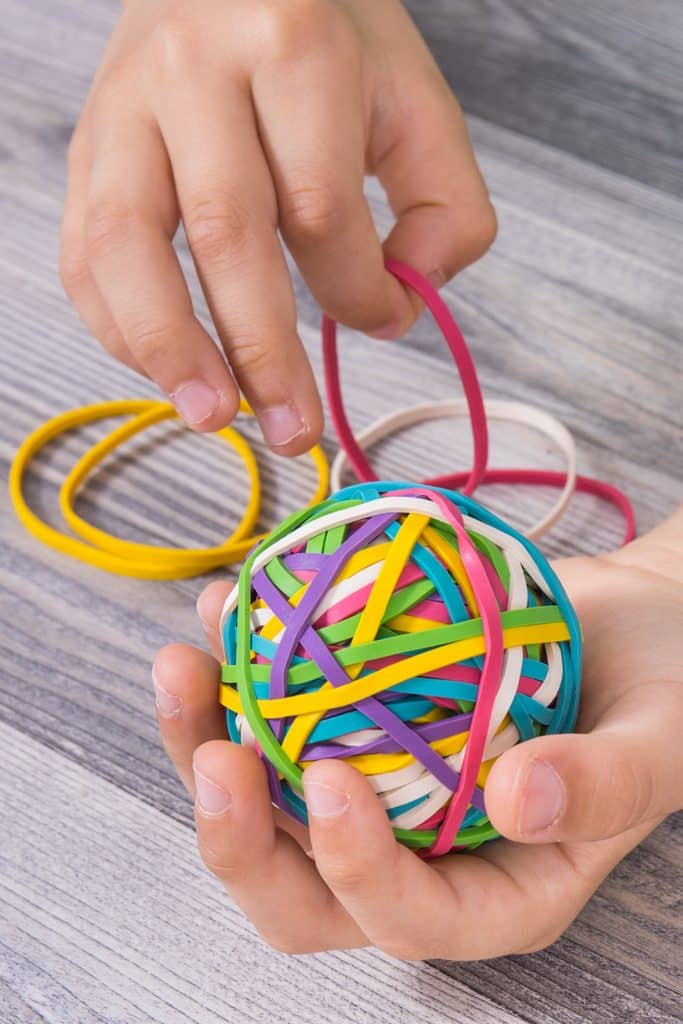
21. The Rubber Band Doorknob
A handful of rubber bands looped around the doorknob and the door latch keeps a door propped open without a bulky wedge. It sounds fake until you try it during a move with your arms full of boxes.
Keep the Laughs Going
32 Strange Household Tricks That Actually Saved People Money →
We use it constantly when we’re hauling groceries in from the car and need both hands free for exactly thirty seconds.
It works because the give in the rubber grips both the frame and the latch just enough to fight the door’s natural swing. A store-bought wedge does the same job, technically, but it’s one more object to lose in a move.
Three or four bands usually does the trick on a standard interior door. Thicker bands hold better on heavier doors that tend to swing shut on their own.
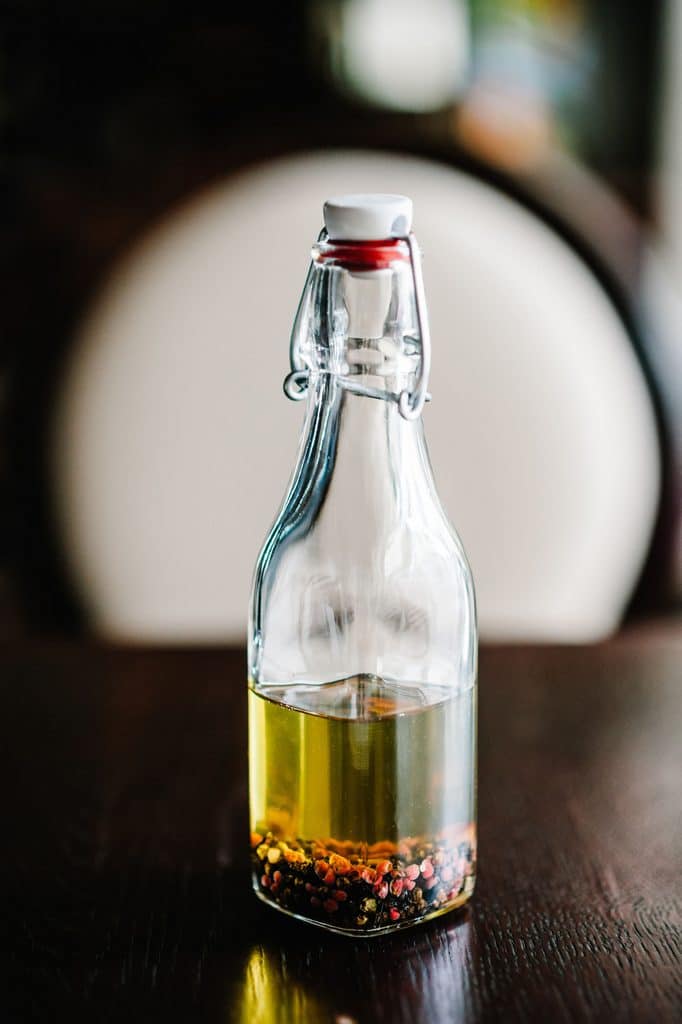
20. The Vinegar Bottle Under the Sink
A spray bottle of white vinegar and water cleaned counters, windows, and coffee makers long before specialty cleaners existed for each surface individually. It’s still cheaper than anything in the cleaning aisle.
It won’t disinfect like a bleach-based cleaner, so we don’t pretend it does. For everyday grime and streaky glass, though, it’s hard to beat.
A few drops of dish soap mixed in cuts through stovetop grease that plain vinegar alone struggles with. We keep ours in a repurposed spray bottle from something else entirely, because buying a brand new one felt like missing the point.
A roughly even mix of vinegar and water handles most jobs without needing to measure anything precisely. We just eyeball it and adjust if the smell seems too sharp.
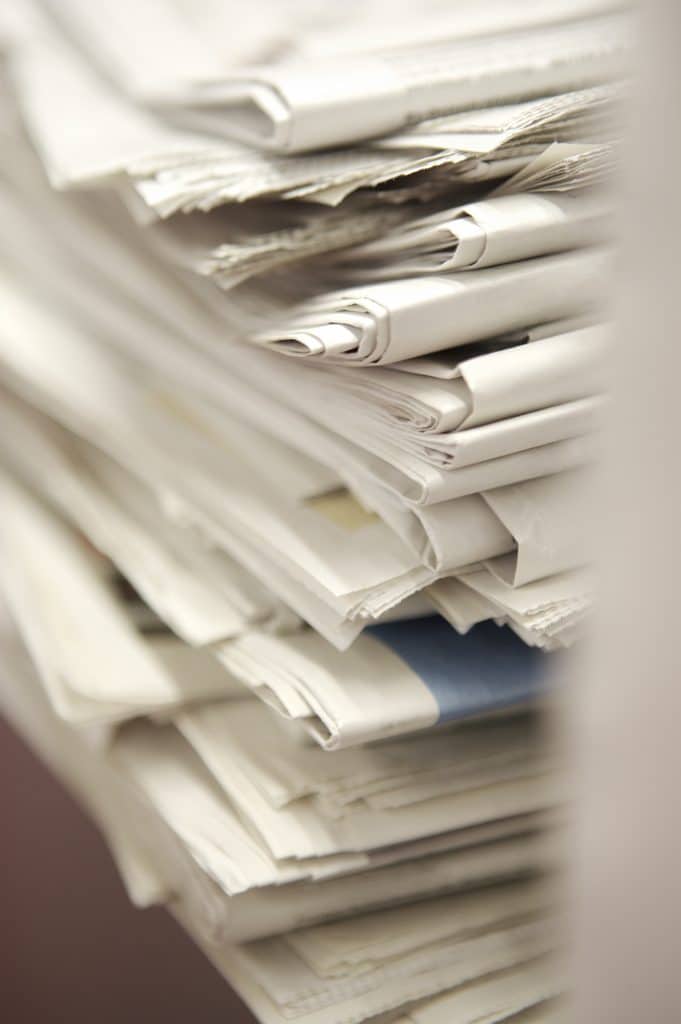
19. Newspaper on the Windows
Instead of paper towels, a crumpled sheet of old newspaper polished windows without leaving lint behind. The ink acts almost like a mild abrasive, buffing the glass clear in a couple of passes.
Our windows have never looked better than the week we tried this out of sheer curiosity. Wait until you see what earns the top spot on this list. It might be the least glamorous entry here and still be the one we use the most.
The trick only works once the heavy grime is wiped off first, otherwise the ink just smears the dirt around. A light hand and a dry sheet make all the difference between streaky and spotless.

18. The Radiator Orange Peels
Fresh orange peels laid across a warm radiator filled a whole room with a clean, citrusy smell for hours, no candles required. It’s an old trick for houses that ran hot in the winter and needed a little help.
We still do this every winter without fail. It costs nothing beyond the orange we were already going to eat.
Fresh peels work far better than dried ones, since the oils in the skin actually carry the scent into the air. We usually save peels from breakfast and have them on the radiator before lunch.
The Fine Print: the smell fades within a day, so this works best as a quick refresh before guests arrive, not a permanent fix.
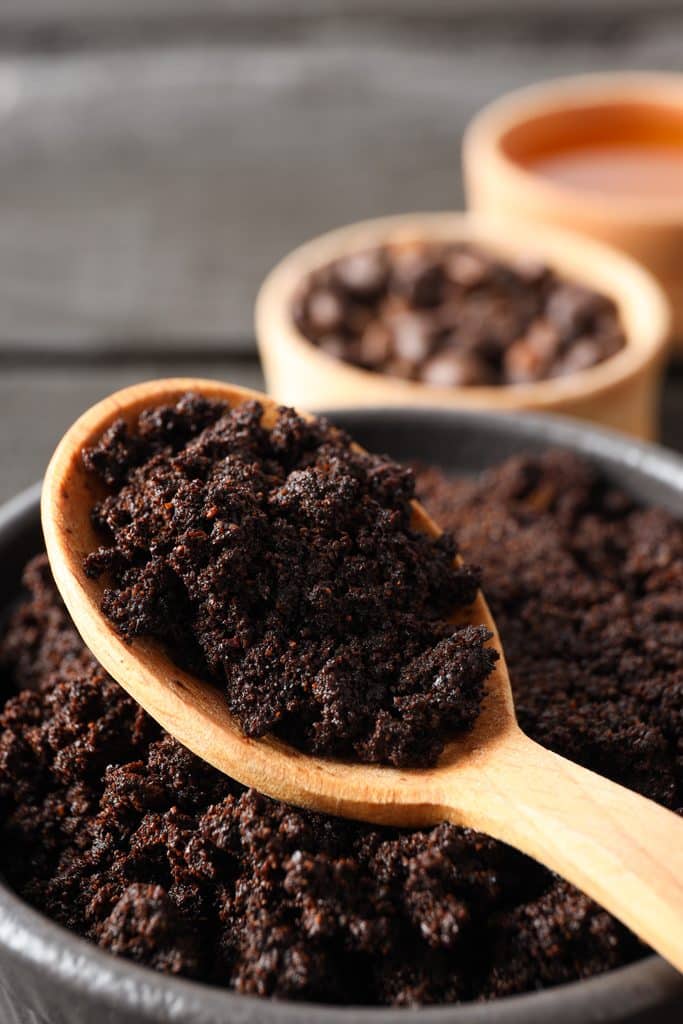
17. Coffee Grounds in the Fridge
A small open container of used coffee grounds sat on the fridge shelf and quietly absorbed odors better than most air fresheners. It handled the leftover fish smell that nothing else could touch.
Swap it out every couple of weeks and it keeps working. It’s not glamorous, but it’s one of the few hacks on this list you can start tonight with something already in your trash can.
Tom & Carrie's Pick
30 Things Frugal People Won't Waste Their Money On →
"Tom is offended by how many of these describe him exactly."
Slightly damp grounds work better than bone-dry ones, since a little moisture helps trap odor particles instead of just sitting there looking used. We keep a small dish specifically for this, separate from the compost.
It works especially well tucked toward the back of a lower shelf, out of the way but close enough to actually remember it’s there. We swap ours out every time we notice the smell has faded.
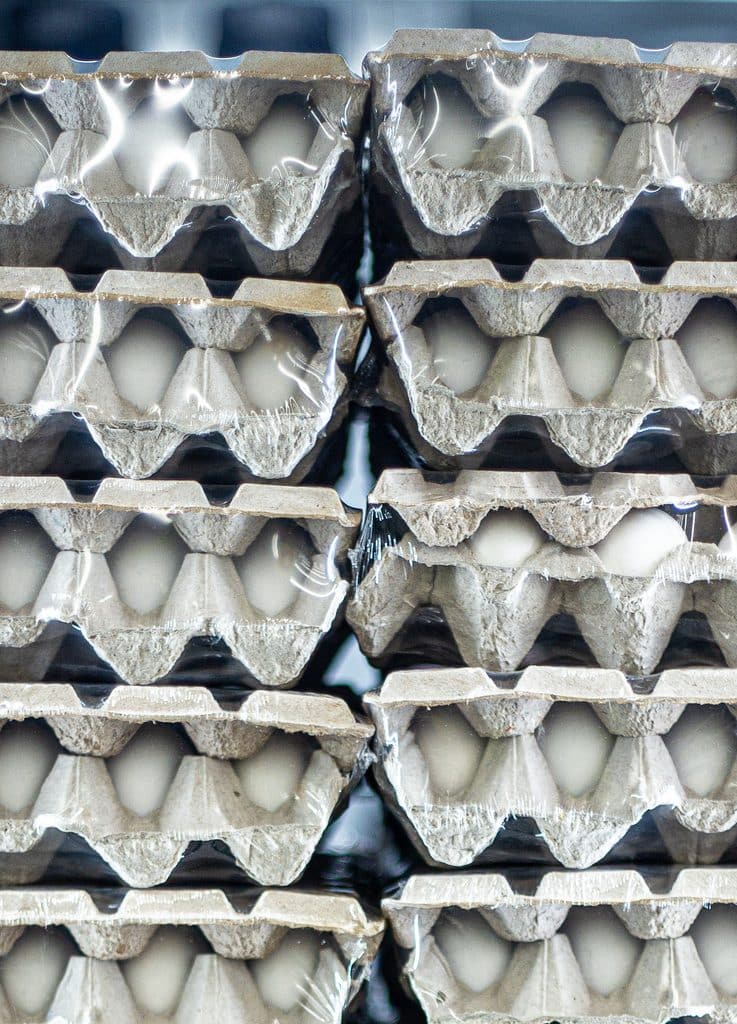
16. Egg Cartons for Everything
An empty egg carton became a jewelry tray, a seed starter for spring planting, or a paint palette for a kid’s art project. The cardboard kind worked best since it held up to a little water.
We’ve used the same carton for three completely different jobs in a single year. Nothing that useful should ever go straight in the recycling bin without a second thought.
Foam cartons fall apart with any dampness at all, which is really the one exception here. Cardboard versions hold their shape through a full planting season and still look presentable on a shelf afterward.
Each little cup holds just enough soil for one seedling to get started before it needs a bigger pot. When the roots are ready, the whole cup can go straight into the ground and break down on its own.
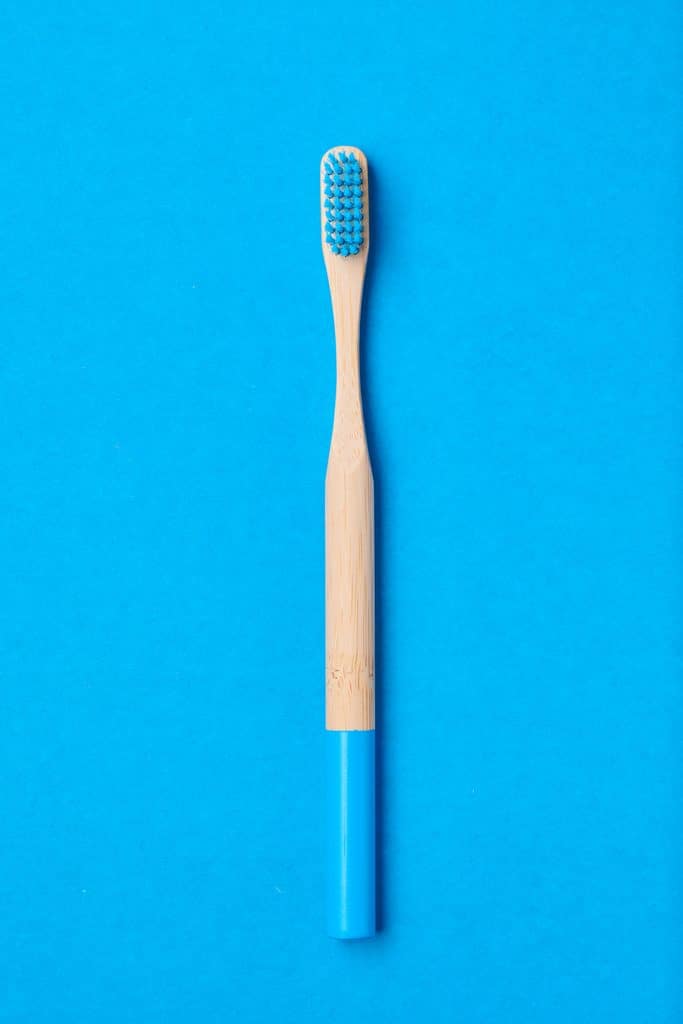
15. The Toothbrush That Never Brushed Teeth
Every house kept one old toothbrush that had been demoted to cleaning duty, scrubbing grout, faucet edges, and shoe soles. It never touched a single tooth again after retirement.
Tom uses his for cleaning the grill grates and insists it’s the only real use an old toothbrush has left. It gets into corners a sponge never could.
The bristles are stiff enough to work into grout lines without scratching them, which is more than most cleaning brushes can claim. We keep two or three retired ones going at once so there’s always a spare within reach.
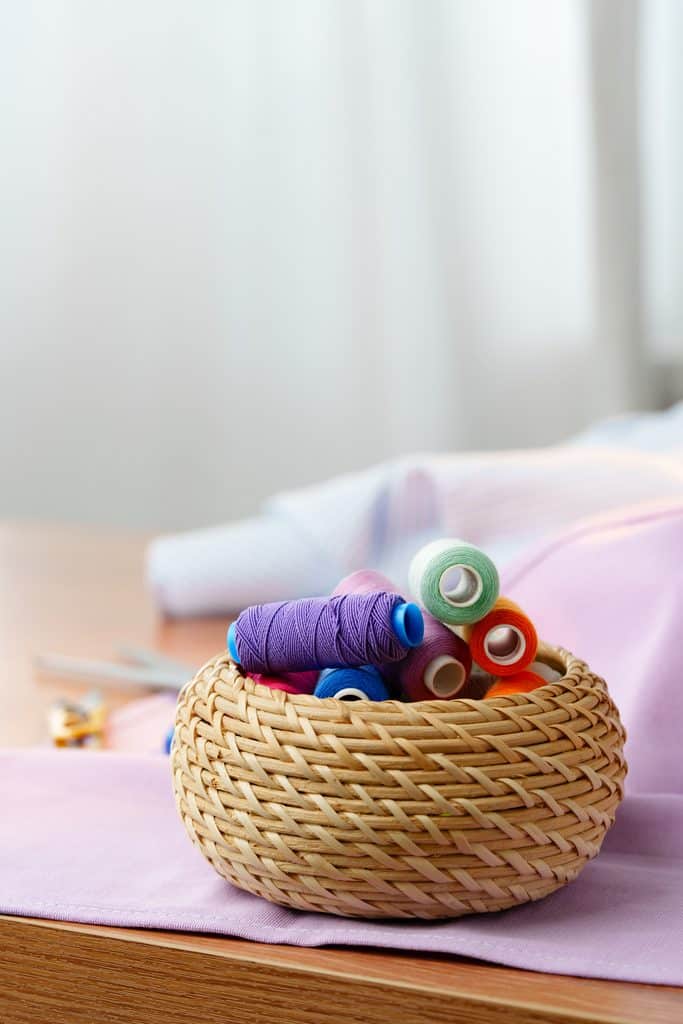
14. The Mending Basket
A small basket held needles, thread, and buttons for quick repairs instead of replacing a shirt over one popped seam. A five-minute fix meant clothes lasted years longer than they do now.
We’ll be honest about this one: it doesn’t work nearly as well on a lot of today’s fabrics. Cheaper synthetic blends tear in ways a needle and thread just can’t fix.
A simple whip stitch handles most seam repairs without any special training, and a spool of thread costs less than a single replacement button pack does these days. It’s worth keeping in a drawer somewhere even if it only gets used twice a year.
The Fine Print: great for natural fabrics and loose buttons, not so great for stretch fabrics that have already given out.
13. The Seasoned Pan Nobody Touched
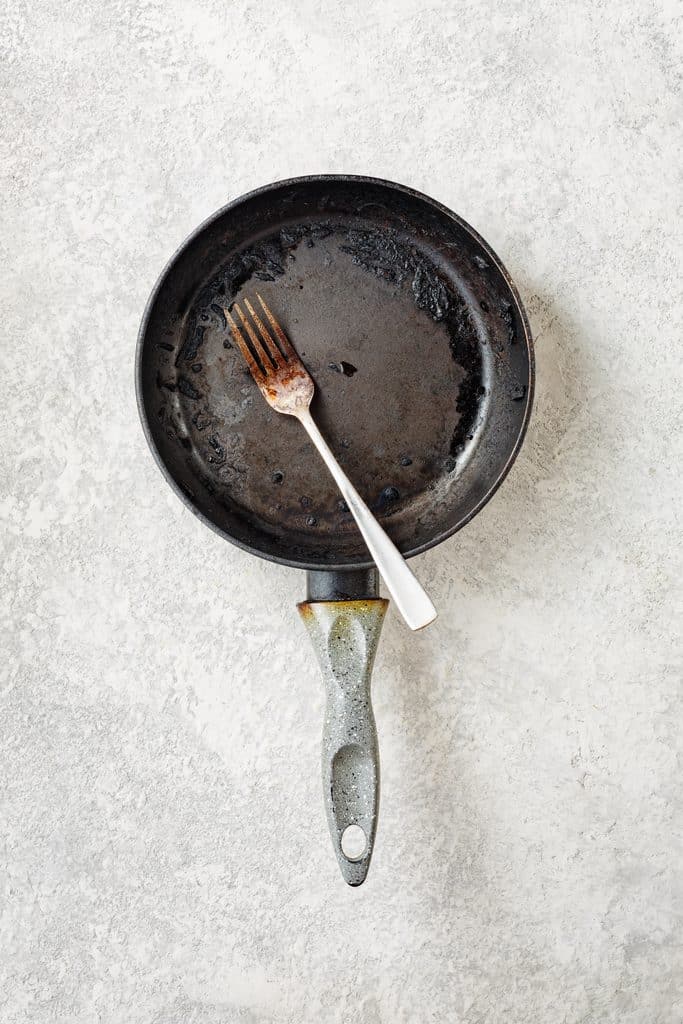
One cast iron pan lived on the stove permanently, and washing it with soap was treated like a minor household crime. Years of oil and heat built a surface that released food almost on its own.
We still keep one pan exactly like that, and we still flinch a little when a guest reaches for the dish soap near it.
You'll Also Love This
26 School Cafeteria Memories That Still Haunt an Entire Generation →
The seasoning builds slowly, layer by layer, every time something gets cooked in fat and wiped clean instead of scrubbed. A pan like that can outlive the person who started seasoning it, which is part of why we take it so seriously.
A quick wipe with a paper towel and a little oil after cooking keeps the surface in shape without ever needing a scrub. It’s less maintenance than most cookware, once the seasoning is actually built up.
12. The Baking Soda Paste
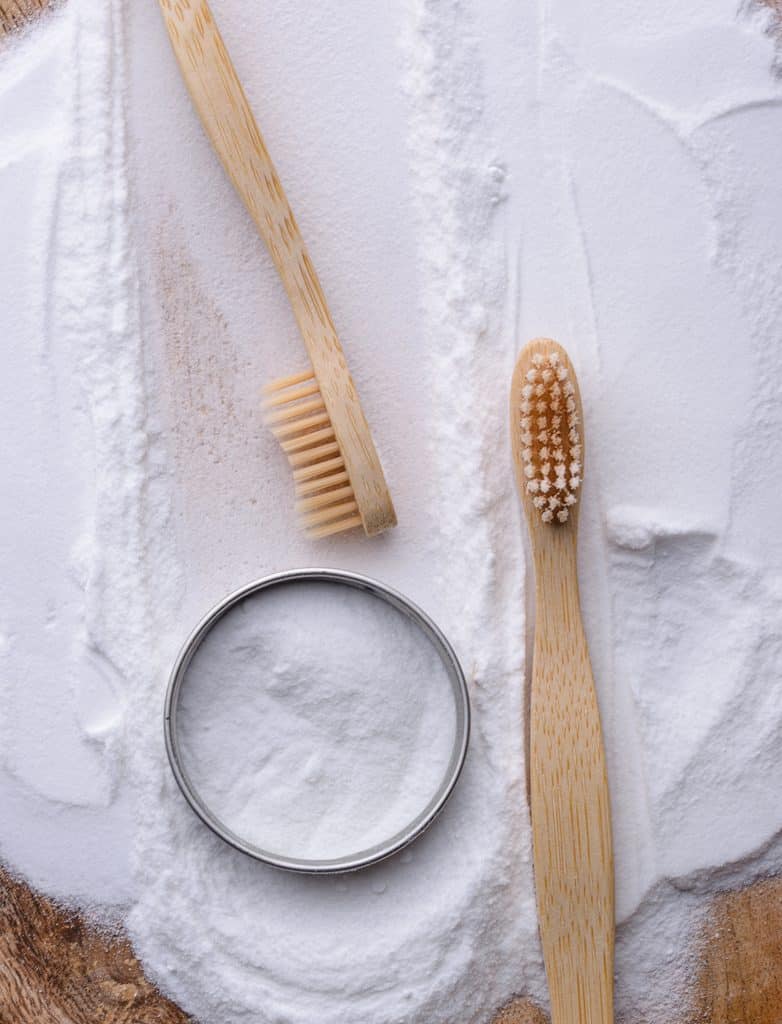
A thick paste of baking soda and a little water lifted stains off countertops, scrubbed pot bottoms, and even worked on grease spots on clothes before a wash. It’s still sitting in nearly every one of our cabinets today.
Let the paste sit for a few minutes before scrubbing and it lifts stains that would otherwise need a harsher chemical cleaner entirely. It’s gentle enough for a countertop but still strong enough for a pot that’s seen better days.
Wait until #1, because the drawer that hack lives in somehow ties half of this list together. We didn’t plan that. It just happened that way once we started counting.
11. The Pillowcase Over the Lampshade
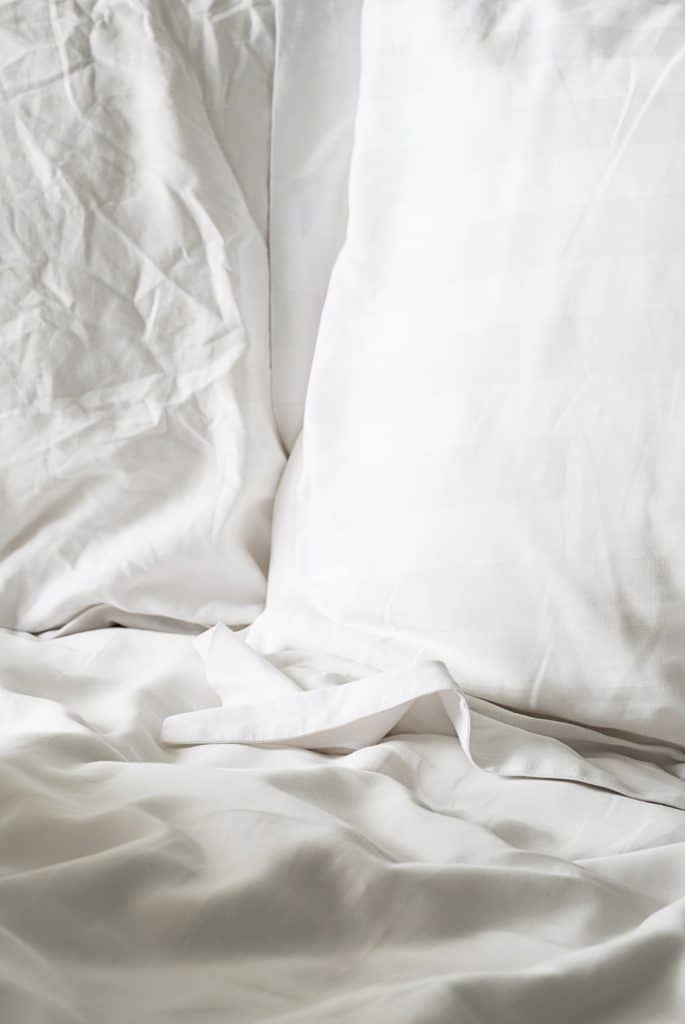
An old pillowcase slipped over a fabric lampshade caught dust for weeks and could just be shaken out or tossed in the wash. It beat wiping down delicate fabric with a rag every single time.
It sounds strange until you try it on a lampshade you’ve been avoiding for months.
Slide it on, give the shade a gentle shake outside, and slide it back off inside out to trap whatever came loose. It takes less time than finding the right attachment for a vacuum.
The Fine Print: only works on shades without a lot of texture or trim. Anything pleated tends to catch and stretch out of shape.
10. The Iron for Wrapping Paper
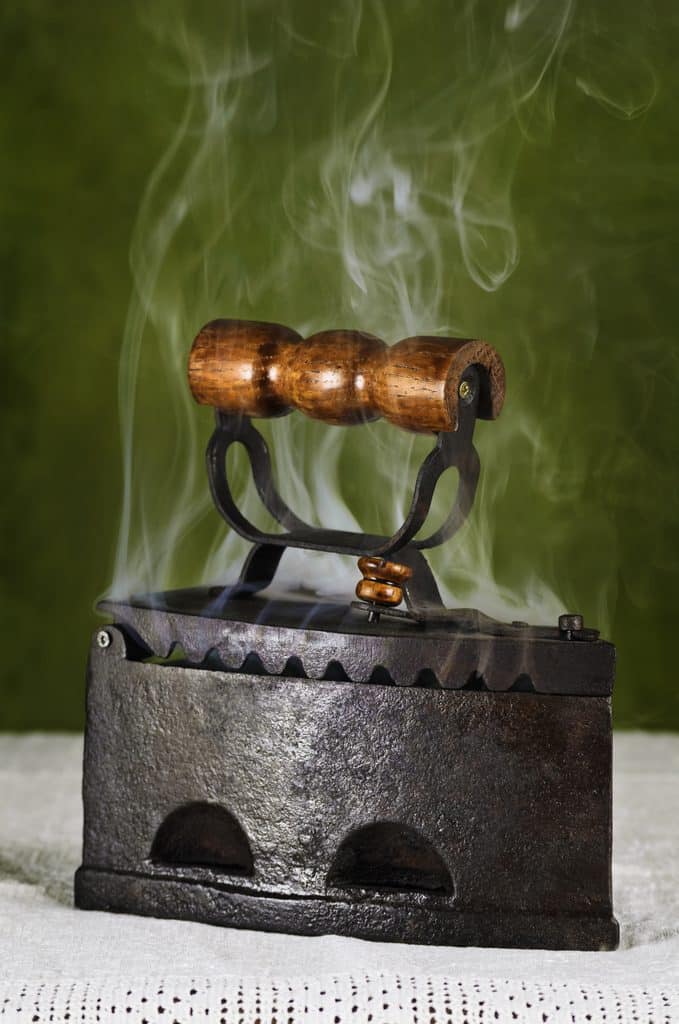
A cool iron pressed over crumpled gift wrap smoothed it out well enough to reuse for another birthday. It never looked brand new, but it never needed to.
We saved a genuinely embarrassing amount on wrapping paper doing this every holiday season. Kids don’t care if the paper has a slight crease running through it.
Keeping the iron on its lowest setting and moving quickly kept the paper from scorching or losing its shine entirely. A damp cloth between the iron and the paper added a little insurance on anything with a glossy finish.
9. The String Drawer
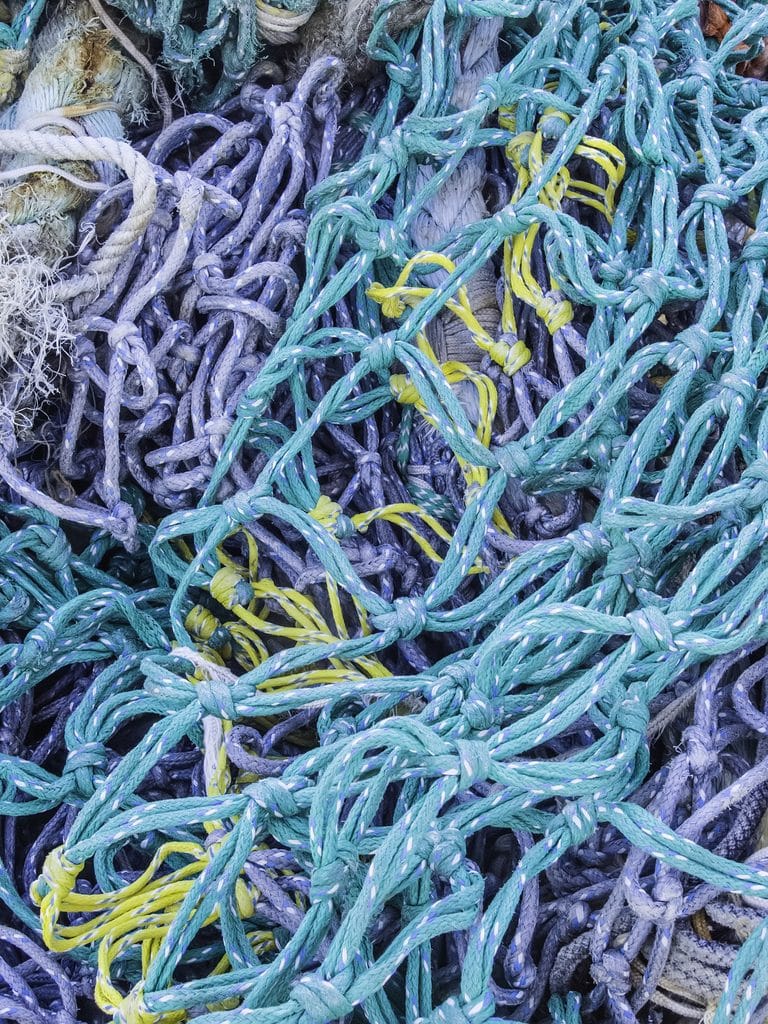
One kitchen drawer held nothing but string, twine, and rubber bands in a tangle that somehow always produced exactly what was needed. It made no visual sense and it worked every time anyway.
We still have a version of that drawer, and we still can’t explain how it finds the right length of string on the first try.
Every so often someone tries to organize it properly, and within a month it always drifts back into the same productive chaos. We’ve stopped fighting it and just accept that some systems work better without a system.
8. The Canning Ring Wall
Metal canning jar rings, saved long after the lids wore out, got repurposed as curtain rings, napkin holders, or a wall organizer for small tools. Nothing with a screw-on ring ever really left the house.
We’re honest that most people today aren’t canning their own vegetables every fall like our grandparents did. The rings still show up at flea markets by the box, though, and they’re worth grabbing for the hack alone.
Screwed into a board in a row, the rings become a surprisingly sturdy sp