

29 Ways People Cut the Cost of a Movie Night Without Cutting the Fun


Movie night stopped being cheap somewhere between the price of a ticket and the price of the popcorn to go with it. We noticed it the same week we noticed our own habit of paying for both anyway. So we started asking around, testing tricks, and keeping the ones that actually held up instead of just sounding smart on paper.
Some are old family habits nobody bothered to write down. Some are things people already do without ever calling them a hack.
Countdown style, all 29, and the one at #1 is the rotation that’s kept our street’s movie nights running for three years straight.

29. Staying Home Instead of Buying a Ticket at All
The simplest way to cut the cost of movie night is to skip the theater altogether and let the living room be the venue. No ticket line, no walk past the biggest popcorn bucket priced to look like a deal.
Add up what one outing costs for a family of four and the math gets uncomfortable fast. Two hours at home instead saves that same money every single week, not just once.
The couch also does not run out of a size, does not charge extra for a refill, and never sells out of a showtime. It just waits until everyone is ready.
Verdict: the easiest entry on this whole list, and most people already do it half the time without noticing.

28. Splitting One Account Across the Whole Family
Instead of everyone paying for their own way to watch something, most households have quietly settled into sharing one account across every device in the house. It is not glamorous, but it works.
The trick is treating it like a shared utility instead of a personal expense. One login, one bill, one less thing anyone has to budget for separately.
Verdict: unglamorous, unbeatable, and the reason most family group chats have a shared password pinned to the top.
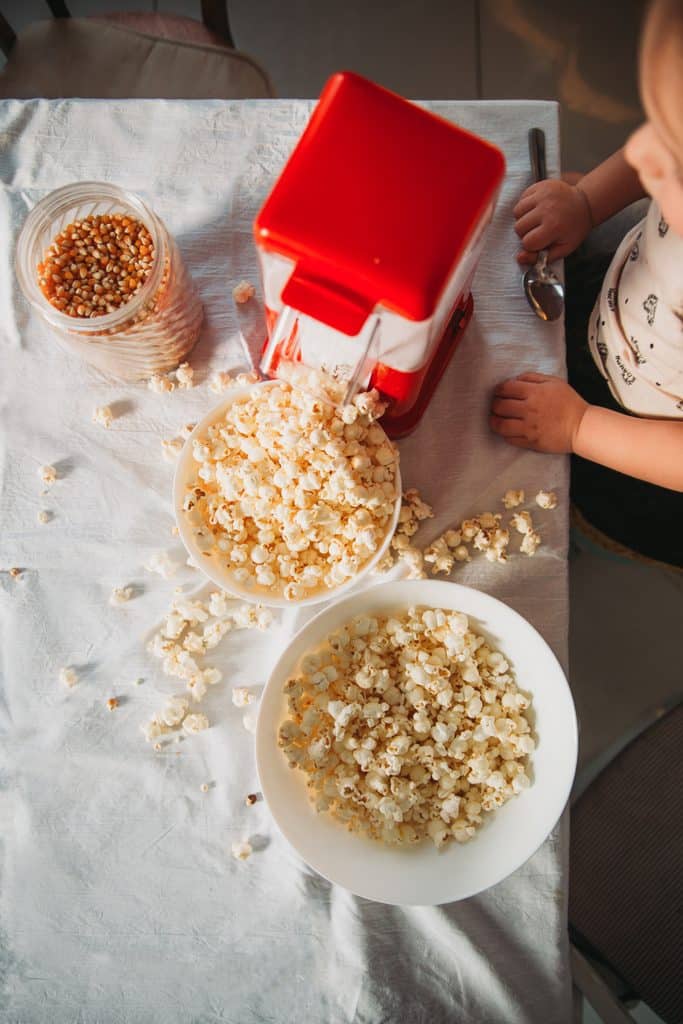
27. Making the Popcorn Instead of Buying It
A bag of kernels and a pot with a lid gets you the same snack the theater does, minus the markup that comes with a paper bucket the size of a trash can. It takes about four minutes.
Butter it, salt it, or go the sweet-and-salty route, and nobody at home complains that it did not come from a counter. We’ve been doing this so long our kids think popcorn from anywhere else tastes wrong, which says a lot about how the theater actually stacks up on our running ranking of concession snacks worst to best.
A splash of hot sauce or a handful of grated cheese turns it into something the concession counter does not even offer. Homemade wins on flavor before it even gets to price.
Verdict: five minutes of effort for a bucket’s worth of savings, every single time.

26. Splitting One Big Bag of Candy Into Snack-Size Portions
Movie theater candy comes in a tiny box for a price that would buy a bag ten times the size at a regular store. Buying the bag and splitting it into small containers or sandwich bags fixes that math instantly.
Everyone still gets their own portion, which matters more than it should when siblings are involved. Nobody notices the box is missing.
Verdict: the closest thing to a free lunch on this whole list.

25. Choosing the Matinee Instead of the Evening Showing
If you are still going out, the same movie costs noticeably less earlier in the day. The picture on the screen does not know what time it is.
It means rearranging the day around a showing instead of the evening, which sounds like a bigger ask than it actually is. Weekend mornings work especially well with kids who wake up early anyway.
Verdict: same movie, same seats, a smaller number on the receipt.
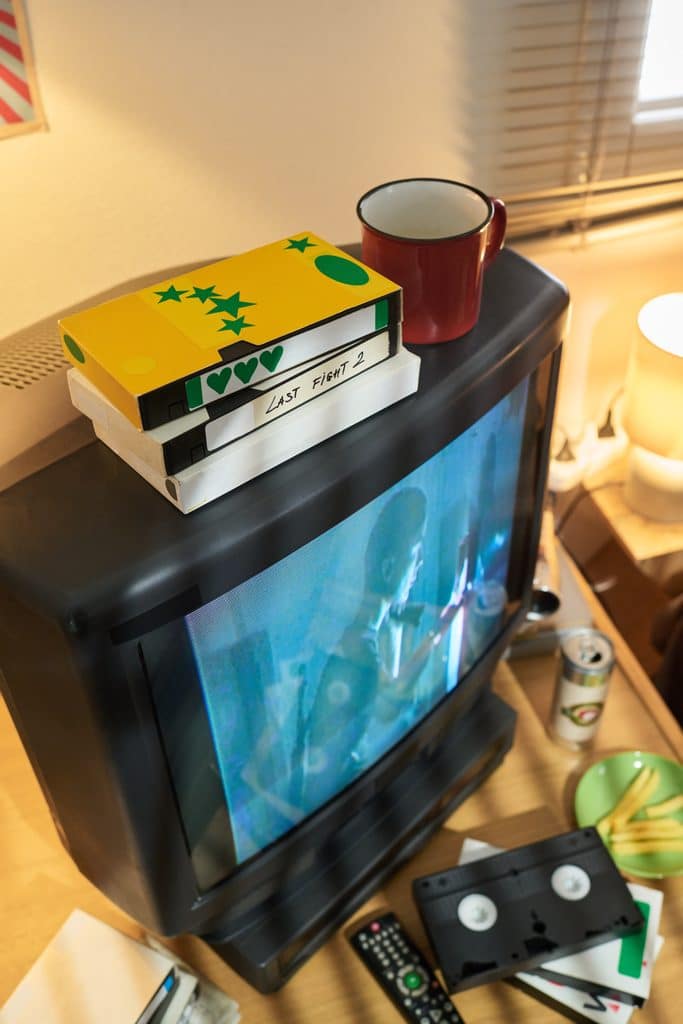
24. Borrowing Instead of Renting or Buying
The library never stopped lending out movies, it just stopped being the first place people think to look. Most branches carry a rotating selection, and some let you request titles from other locations.
It takes a library card and a little patience instead of money, which used to be how a lot more things worked before everything on this list quietly started costing something.
Most branches now let you place a hold from an app and get a text when it’s ready. Nobody has to actually walk in and browse a shelf anymore, unless they want to.
Verdict: free is free, even when it takes a week to arrive.
Keep the Laughs Going
26 Movie Theater Snack Combos That Somehow Tasted Perfect Together →

23. Bringing Real Drinks Instead of Buying Them by the Cup
A movie theater drink costs more per ounce than almost anything else sold anywhere, and a home screening does not have that problem unless you let it. Pour from what is already in the fridge.
Reusable cups with lids and straws make it feel like an occasion instead of just pouring a glass of soda. Kids especially fall for this one.
Verdict: the upcharge that disappears the second you’re not standing at a counter.
Hold that thought, because #16 turns a theater’s own loyalty program against the theater, and it is one of the sneakier entries on this whole list.
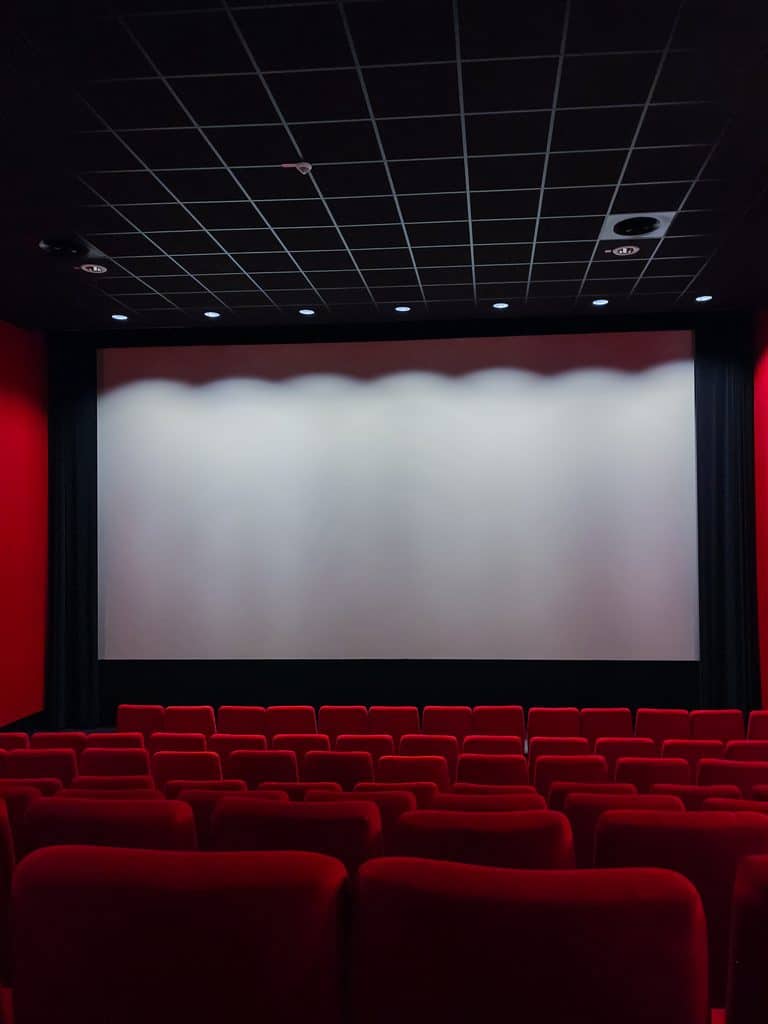
22. Skipping the Premium Format Upcharge
The bigger screen, the extra-comfortable seat, the format with a name that sounds like an upgrade, all of it adds several dollars to a ticket that already cost enough. The movie is the same movie either way.
Standard viewing gets you the story, the ending, and the popcorn stains on the armrest just fine. Save the upgrade for something that actually needs the extra format.
Verdict: the format rarely changes the movie enough to justify the difference.

21. Building a Blanket Fort Instead of Paying for a Fancy Seat
Some theaters now sell reclining chairs and heated seats like a whole separate ticket tier. A pile of couch cushions and a blanket fort gets you most of the comfort for the price of laundry.
It also turns a regular Tuesday into an event, which is really what the upgraded seat was selling in the first place. We’ve built ours out of nothing more than a few tricks passed down from people who never wasted anything.
Clip a flashlight to the top for a reading light during the credits and the whole setup feels custom-built. It usually survives about a week before it collapses on someone.
Verdict: costs nothing, works every time, and the kids ask for it by name.
20. Choosing a Weekday Over the Weekend
Ticket prices shift depending on the day, and weekday showings are almost always the cheaper option. The theater is also emptier, which is its own kind of upgrade.
It takes a small shuffle of plans, but a Tuesday movie night is a real thing people do on purpose now, not just an accident of scheduling.
Verdict: same seat, smaller crowd, smaller bill.

19. Thermoses Instead of Buying Drinks Every Time
For anyone who does home movie nights often, a set of thermoses that actually keep things cold saves more than it seems like it should over a few months. No more grabbing single cans that add up.
Fill them before the movie starts and nobody has to pause anything to refill a glass halfway through.
Verdict: a small upfront buy that pays for itself within a month of regular use.
Tom & Carrie's Pick
31 Things You Never See Happening Before a Movie Reaches Theaters →
"Tom read this twice and still can't un-know #14."
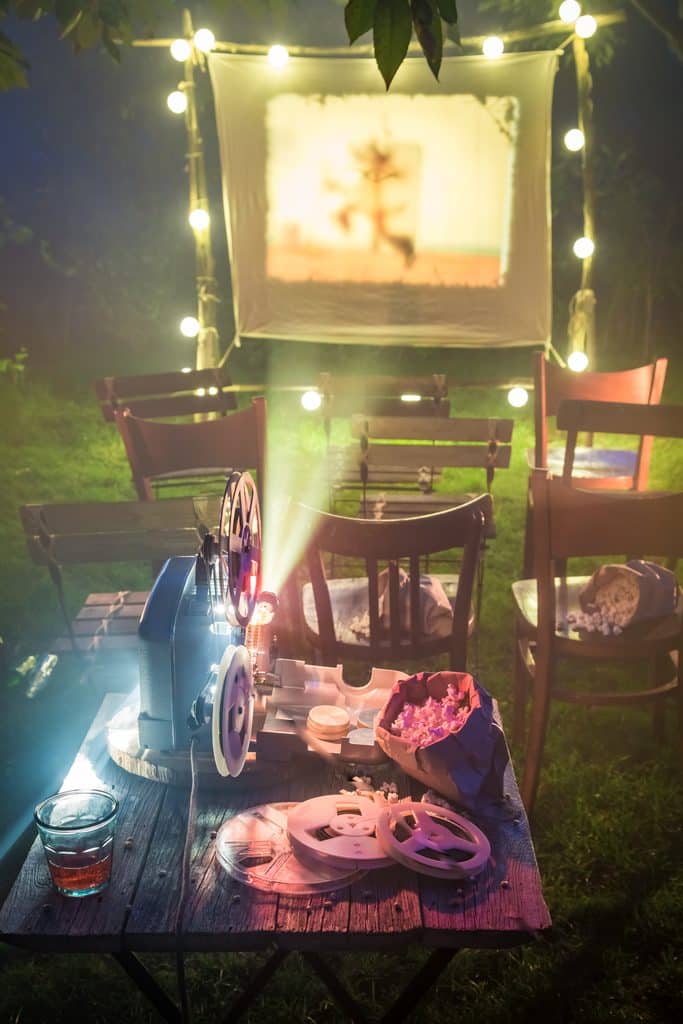
18. Turning an Old Bedsheet Into a Projector Screen
A plain white sheet pinned to a wall does almost the same job as a proper screen, especially with the lights off. It is not perfect, but it is close enough that nobody complains halfway through.
This is the kind of fix that used to just be common sense, back when nobody threw out a sheet that still had use left in it, the same instinct behind half the tricks nobody’s grandmother ever gave up on.
Iron out the wrinkles first or every wide shot looks like it’s wearing a topographic map. That’s the only step people actually skip.
Verdict: not cinema-quality, but close enough that nobody’s asking for a refund.

17. Watching a Double Feature at Home Instead of Two Separate Outings
Two movies back to back at a theater means two tickets, unless the theater happens to be running an actual double feature that day. At home, it just means not turning off the television.
Pick a theme, string two movies together, and the whole night feels bigger without costing twice as much.
Verdict: double the movie, single the price.

16. Signing Up for the Loyalty Program Instead of Paying Full Price
Most theaters now run some kind of free rewards program that quietly knocks a little off future tickets or throws in a free size upgrade. Almost nobody signs up because it feels like a hassle for a small discount.
The discount stacks over a year of regular visits, which is the same logic behind most of the entries on the running list of things frugal people won’t spend money on even when everyone else does.
Some programs also send a coupon around a birthday, which most people forget to redeem before it expires. Set a reminder and it’s basically a free ticket once a year.
Verdict: five minutes of signing up for a discount that outlasts the account itself.
Coming up at #9 is the one hack on this list that sounded smart and completely fell apart in practice, and we’re not going to pretend otherwise.

15. Making a Candy Buffet From Bulk Bags
Instead of buying single boxes, one trip to a bulk aisle covers an entire movie night’s worth of candy for a fraction of the theater price. Pour it into bowls and let everyone build their own mix.
It also solves the fight over who gets which flavor, since there is enough of everything to go around twice.
Verdict: more candy, less money, zero arguments over the last box.

14. Dimming the Lights and Doing a Countdown
Turning off every light except one lamp and counting down before pressing play costs nothing and somehow makes the whole thing feel like an occasion. It is a two-second ritual with an outsized effect.
Kids especially treat it like the movie has not really started until the countdown happens.
You'll Also Love This
34 Video Rental Store Rituals We All Remember From Friday Nights →
Verdict: free theater energy, no ticket required.

13. Buying the Small Size and Refilling From a Stash at Home
If a trip to an actual theater is happening, buying the smallest size and topping it off from a bag already in your purse or bag cuts the biggest single expense on the receipt. It looks the same from a few rows back.
This one works best paired with a coat that has deep pockets and a total lack of shame about it.
Verdict: the small size costs less and nobody’s checking refills.

12. Watching for the One Cheap Night Most Theaters Run
Plenty of theaters still run one discounted night a week, it just rarely gets advertised the way a big release does. A quick look at a theater’s own website usually turns it up.
Building movie night around that one night instead of whatever day is convenient is a small habit shift that adds up the same way a lot of everyday spending quietly does when nobody’s tracking it.
It usually falls on the slowest day of the week, which is also the emptiest theater you’ll ever sit in. Fewer people crunching ice, more room to spread out.
Verdict: same theater, same movie, a night of the week doing all the work.

11. Trading Hosting Duties With Neighbors
One household buys snacks and picks the movie this month, another does it next month, and nobody carries the full cost every single time. It spreads the expense out without anyone noticing it happening.