

Video Rental Store Rituals: These Made Friday Night an Event

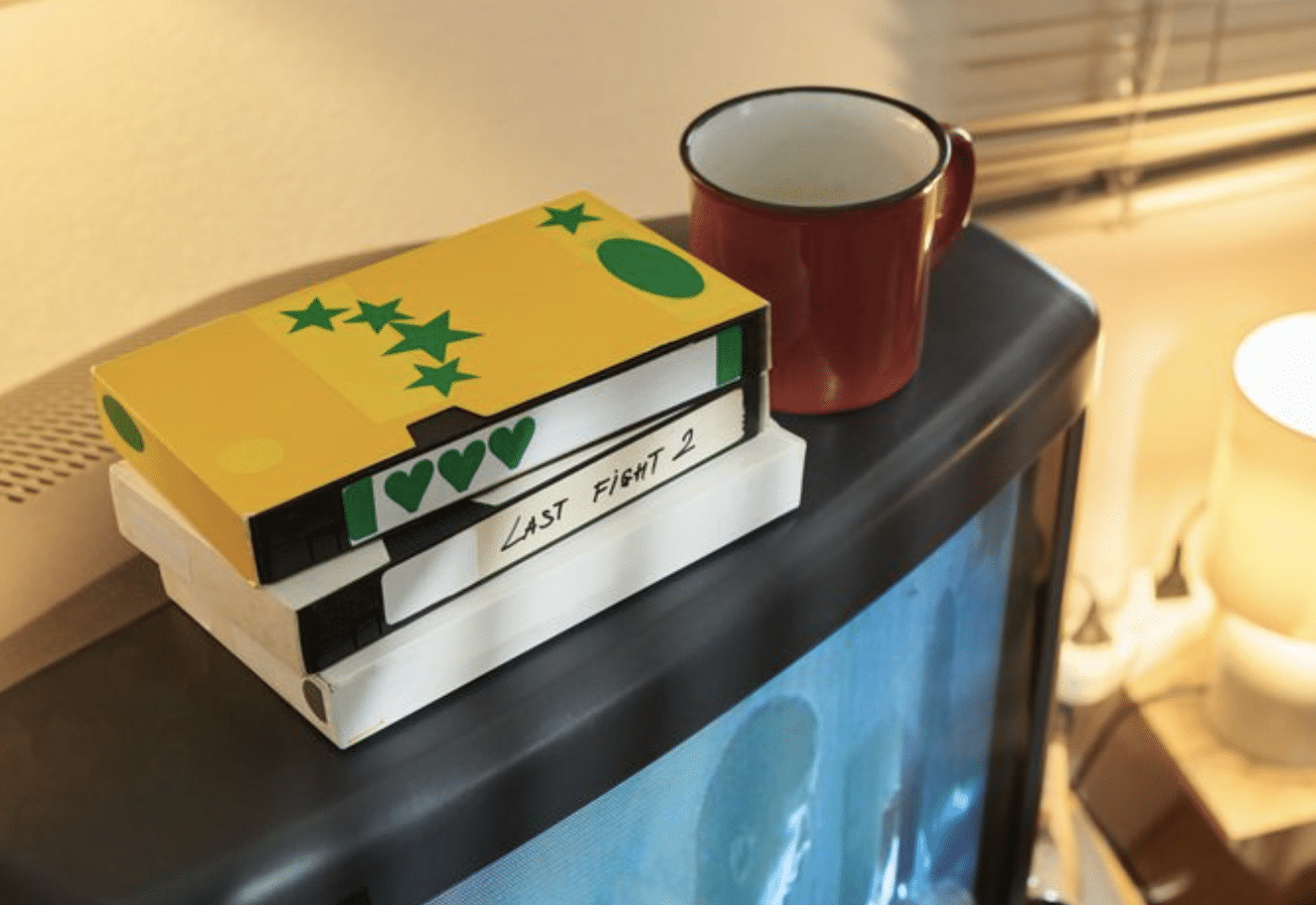
Friday night used to have a shape. Not a movie, a shape. It started before anyone picked a title, in aisles that smelled like carpet and cardboard, in front of a wall of cases turned face out.
We’ve been arguing about which parts of that ritual mattered most since we started dating, and we still haven’t fully settled it. So we ranked all 33, worst to best, the small rituals that turned a rental into an event.
Number one isn’t the movie at all. It’s something else, and it took us years to notice it.
33. The Membership Application on an Actual Clipboard
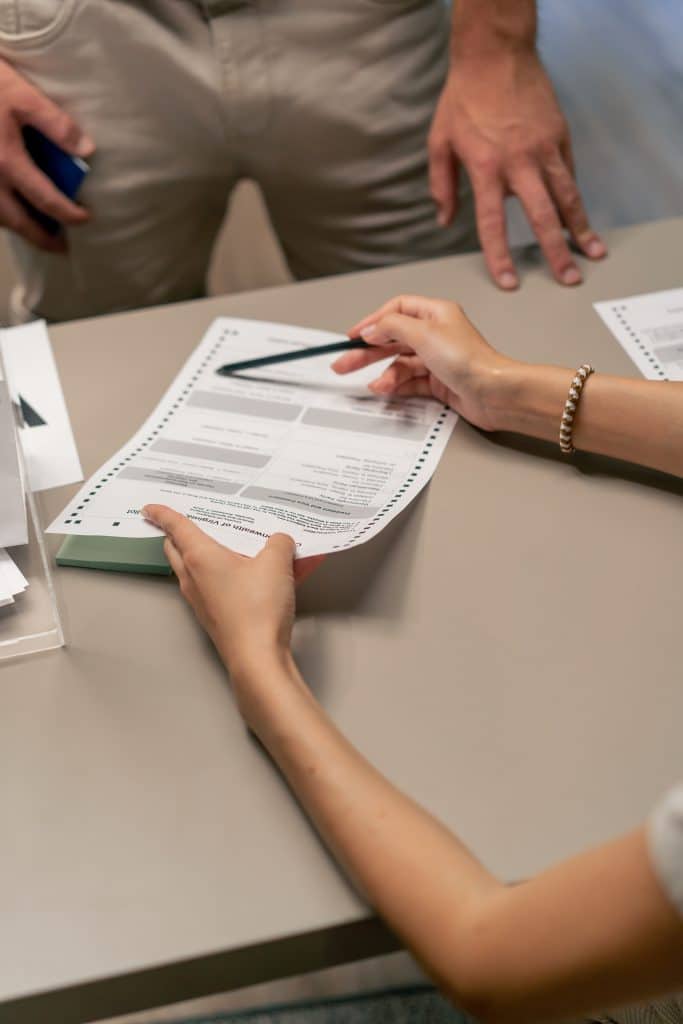
Before you rented anything, someone handed you a clipboard. Your parent filled out lines of information they would never hand over to a store today. It felt strangely official, like joining something bigger than a shop that just held movies.
There was always a line of tiny print nobody read all the way through. Somewhere behind the counter sat a drawer holding hundreds of these forms, sorted by last name. That drawer worked like a neighborhood directory nobody signed up to be part of, and somehow everybody was.
The Rewind: most stores asked for two forms of information just to prove you lived nearby, treating a missing movie like it carried real stakes.

32. The Laminated Card Everyone Kept in a Wallet
Once you were approved, you got a card. It had a barcode nobody could read by eye and a number that meant nothing to you but everything to the register. Losing it felt like losing a small piece of identification, out of proportion to what the card actually did.
Some families kept it on the same ring as the house keys. Others buried it in a wallet next to school photos and coupons that expired months ago.
Either way, showing it at the counter was the first small ceremony of the night. Forgetting it at home meant standing there while a clerk typed a phone number into an old system and waited for the screen to catch up.
31. Browsing the New Release Wall Like It Might Vanish
The new release wall got first stop, every single time. Cases faced out in neat rows, though half of them stood empty behind the cover, cardboard standing in for a tape that was already gone.
You grabbed a case anyway and flipped it over to read the back like it might change. Then you carried it to the counter and learned the actual copy was checked out. The letdown was part of the ritual, not separate from it.
30. The Handwritten Note Taped to the Counter
Every store had one, usually written in marker on a torn scrap of paper. It announced something urgent: a policy change, a holiday closing, a warning about a specific shelf. Nobody knew who wrote it, only that it had always been there.
The handwriting never matched the store’s actual signage. It was clearly one employee’s personal decision, taped up without asking anyone’s permission. Somehow that made it feel more trustworthy than anything printed.

29. Rewinding Your Own Tape So You Weren’t the Villain
Stores charged a small fee for a tape that came back unrewound, and everybody knew it. Almost nobody wanted to be the reason a stranger got hit with that fee.
So the tape got rewound at home, sometimes twice, just to be safe. It became a small act of decency between people who would never meet. You didn’t know the next family to rent it, but you still didn’t want to let them down.
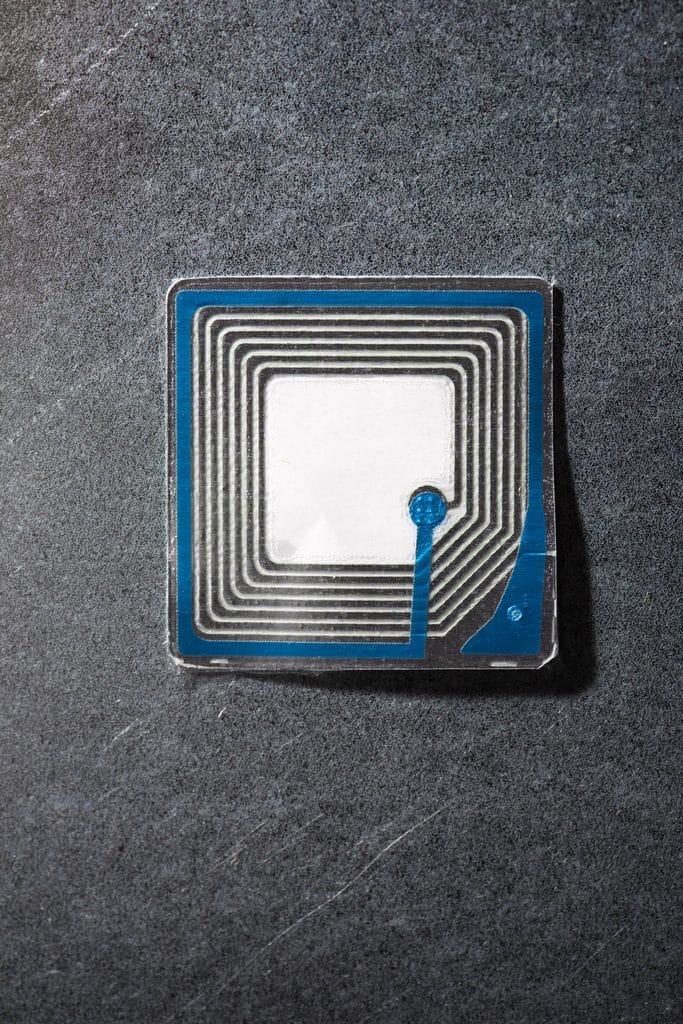
28. The Plastic Tag That Beeped If You Forgot to Check Out
A hard plastic clip sat on every case, wired to a sensor by the door. If the clerk forgot to remove it, the whole store knew before you reached the parking lot. The sound alone could make an innocent person feel like a suspect.
The Rewind: the beep wasn’t even about theft most nights. It usually meant the clerk was in a hurry, and the tag simply got left behind on a case that was paid for fair and square.
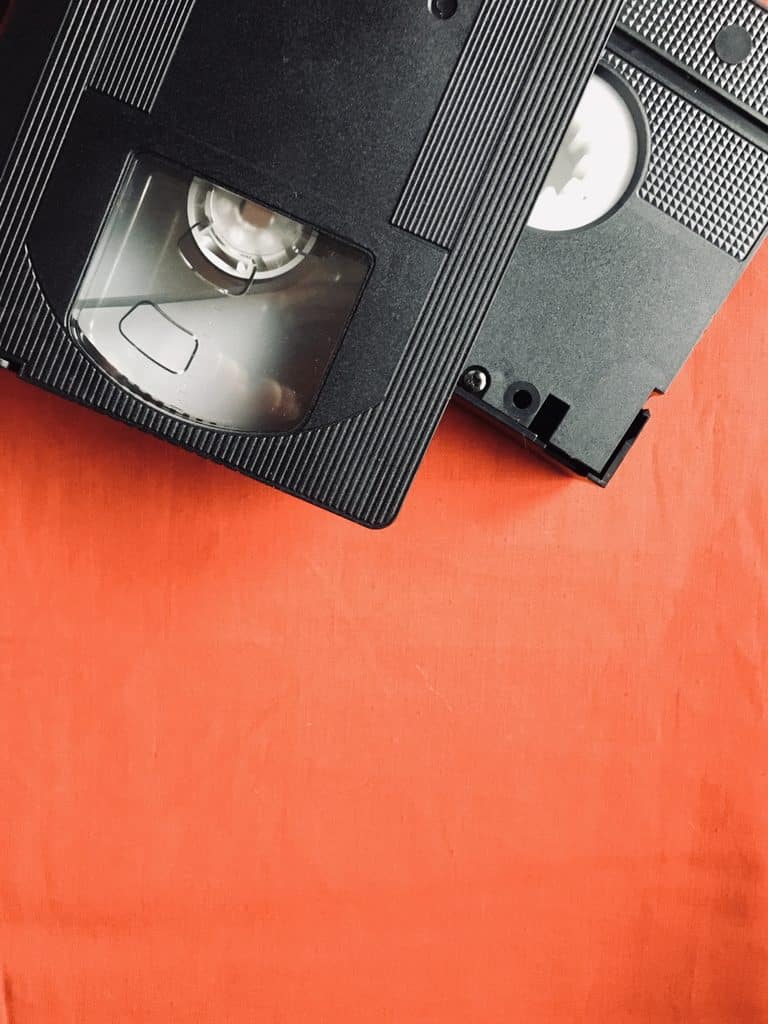
27. The One Good Copy Everyone Was Racing For
Big releases came with maybe five copies and forty families who wanted one on the same night. The store would post a little card reading how many were left, updated by hand as the evening went on.
Watching that number drop felt like watching a countdown with actual consequences. Get there too late, and Friday night pivoted to a backup plan nobody was excited about.
Some houses solved this by sending someone straight there after work, before dinner even started, just to grab a copy and hold it hostage until the rest of the family showed up.
Wait until you see what nearly caused a full family standoff at number four.
Keep the Laughs Going

26. The Horror Aisle Covers Scarier Than the Movies
The horror section did more work with cover art than most movies did with their actual runtime. Faces half melted, eyes glowing, red text dripping down the spine. Half the fear came from browsing, not from watching.
Kids would dare each other to hold a case for ten seconds. Nobody ever rented the scariest-looking one. The cover had already done its job just by existing on the shelf.

25. The Foreign Film Shelf Nobody Browsed but Everyone Respected
Every store had a small section set apart from the rest, quieter somehow, like a library corner inside a much louder building. Most families walked past it without stopping. Almost nobody could have named a single title on it.
And yet nobody made fun of it either. It sat there like proof the store took itself a little seriously, even if most Friday nights had zero interest in serious.

24. The Employee Recommendation Cards Taped Under the Shelf
Below certain cases, a handwritten index card offered an opinion nobody asked for. Three stars, a scribbled note, sometimes a joke. It was the earliest version of a stranger’s review showing up exactly when you needed one.
You trusted these cards more than you probably should have. They were written by someone working a shift for minimum wage, using a pen that barely worked, and somehow that made the recommendation feel more honest, not less.
Nobody was getting paid extra to write them. That single fact carried more weight with us than any star rating ever has since, on any screen, from any source claiming to know our taste.
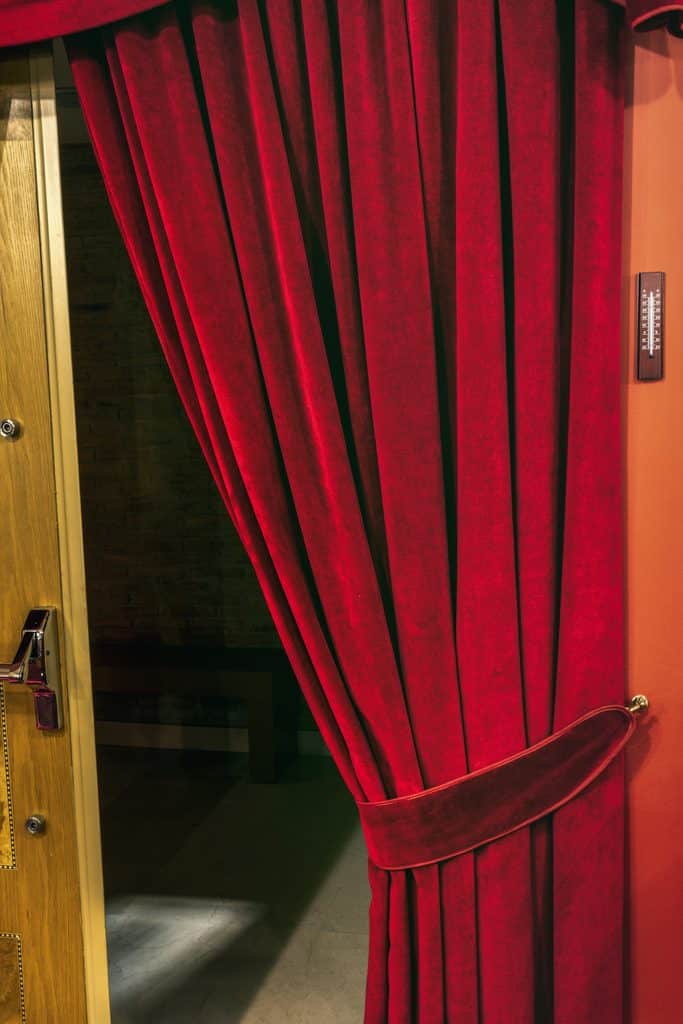
23. The Curtain Across the Back Room
A curtain, or sometimes a half wall, marked off a section clearly meant for adults only. Kids weren’t supposed to look, which of course meant every kid looked.
Nobody ever went in. The looking was the whole event, a dare passed between siblings while a parent pretended not to notice from two aisles over.
It gave the store a second personality, one half family friendly and one half something the family pretended not to notice. Both personalities fit under the same roof without much tension.

22. The Snack Counter by the Register
Right at checkout sat a small rack of candy and a couple of tubs of stale popcorn kernels nobody quite trusted. It wasn’t a real concession stand, just a gesture toward one, and everybody bought from it anyway.
The candy was overpriced by any reasonable standard. Nobody cared. It got folded into the price of the night the same way a movie ticket gets folded into a trip to a theater.
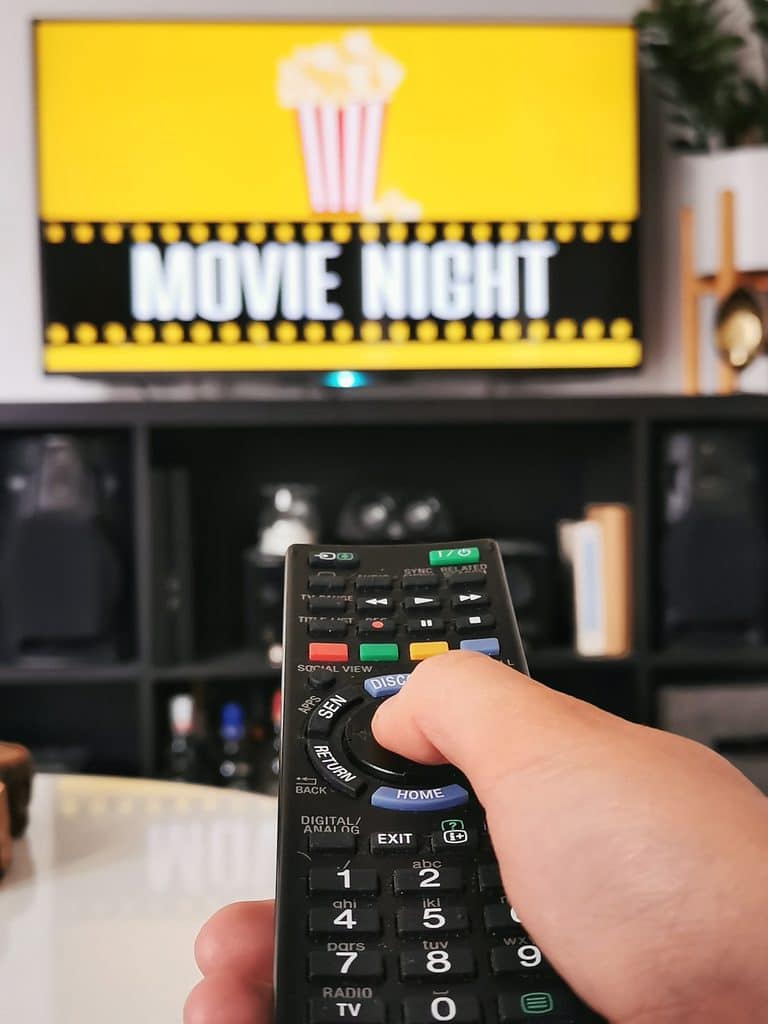
21. The Trailers Looping on a TV Nobody Was Assigned to Watch
A television mounted near the ceiling played the same reel of previews on a loop, all night, for an audience that mostly ignored it. Every so often someone would stop mid-aisle and actually watch for a minute, forgetting for a second why they’d walked over in the first place.
The same three trailers, over and over, somehow never got old. They were background noise that occasionally became the whole point, especially if the movie coming up looked good enough to change the night’s plan on the spot.
Tom & Carrie's Pick
33 Things Every 90s Kid Did When the Streetlights Came On →
"Carrie says this one is basically her childhood, word for word."
More than once, an entire family left with something nobody had planned to rent, purely because a trailer caught someone’s attention at the wrong moment.
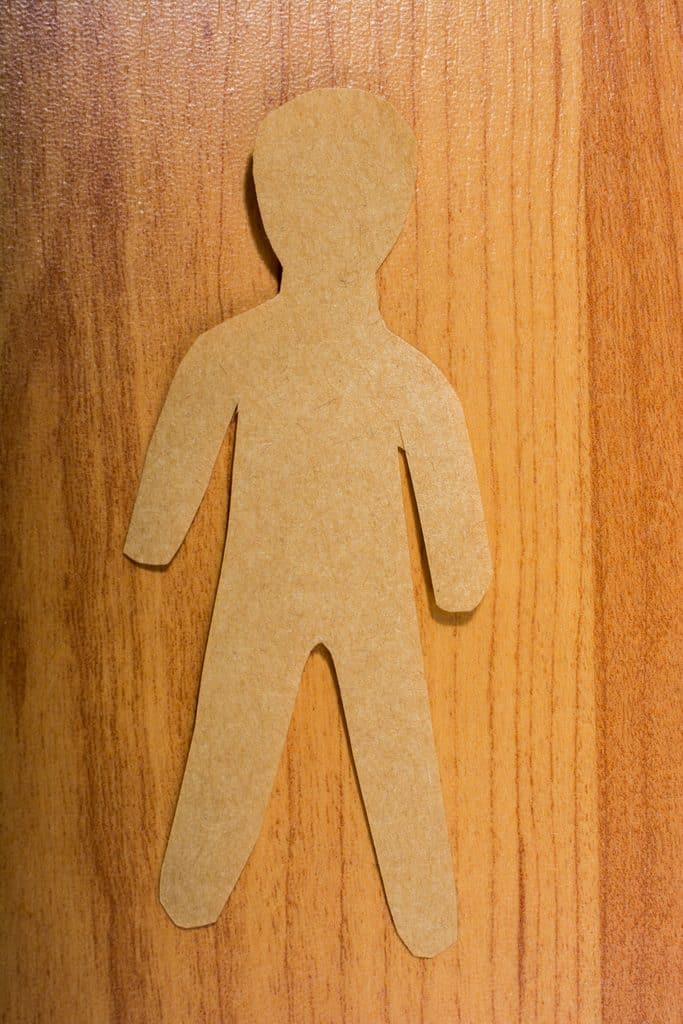
20. The Cardboard Cutout of Whoever Was Famous That Month
Near the entrance stood a life sized cardboard figure promoting whatever was hot. Kids posed next to it. Some stores had two or three stacked in a back closet from months past, propped against a wall like retired mascots.
Nobody remembers most of these promotions today. Everybody remembers standing next to one for a photo that probably still exists in a drawer somewhere.
There’s a moment at number six that started as a joke and became a real family rule.
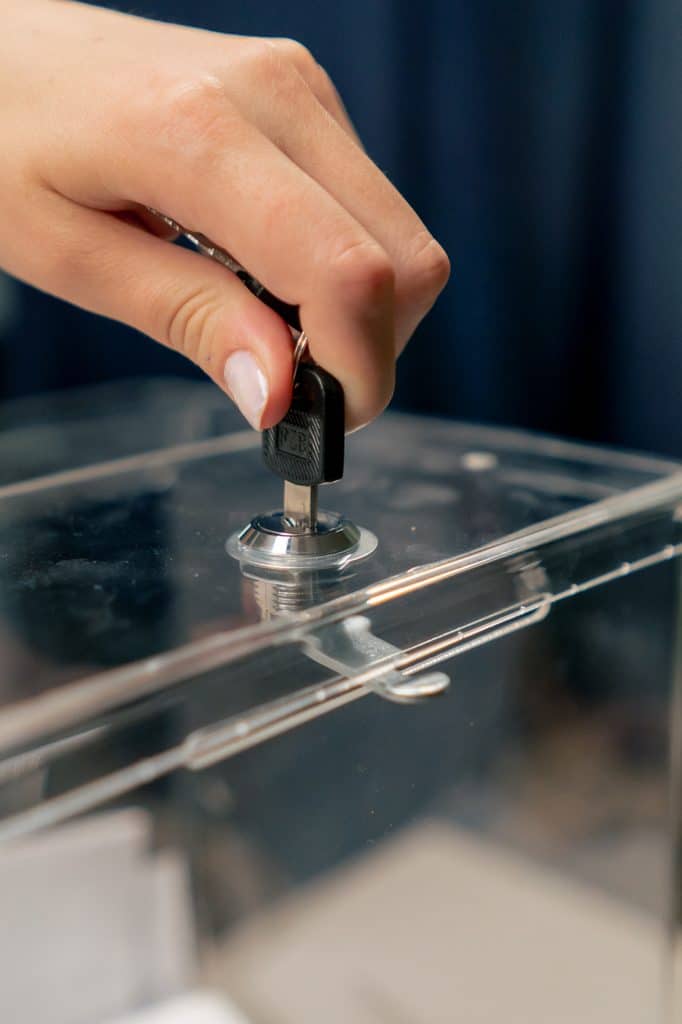
19. The Drop Box Outside for After Hours
A metal slot built into the wall let you return a movie without walking back inside. It felt slightly illicit, like slipping something through a mail slot after dark. You’d hear the tape hit the bin below and feel a strange sense of relief.
Sometimes the box jammed. Sometimes it swallowed the case whole and left you wondering if it actually landed inside. Either way, the drop box carried real weight for something that was just a metal slot in a wall.
A quick drive past the store just to use it, with nobody bothering to go inside, was its own small errand that somehow still felt worth the trip.
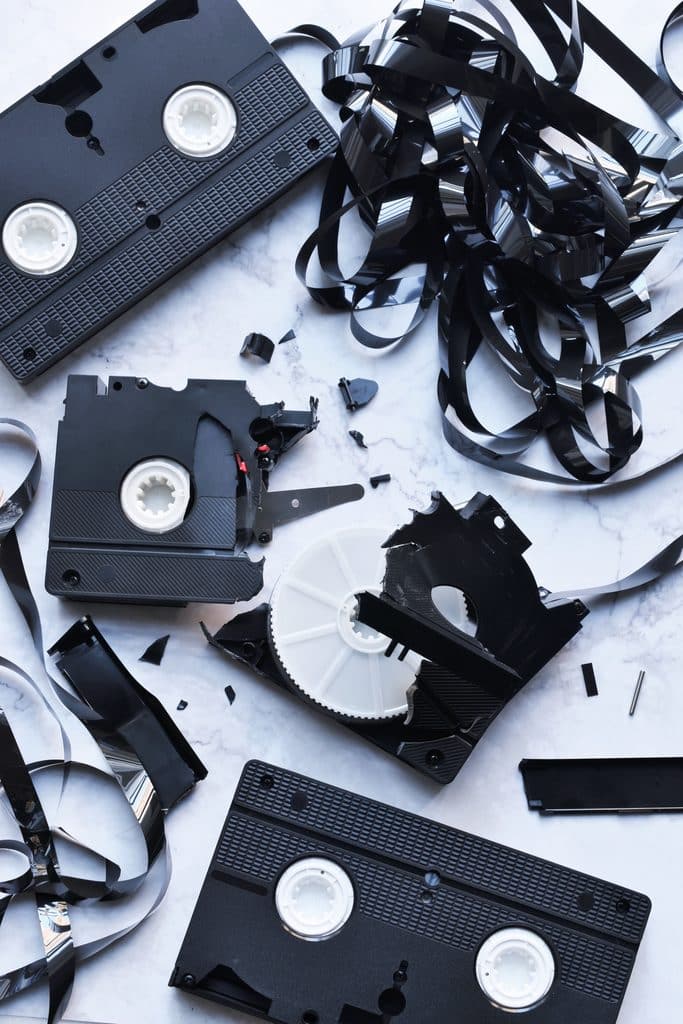
18. The Dread of an Unrewound Return
You’d remember it halfway through dinner three nights later. Somewhere in that pile of returns sat a tape you never rewound, and now it was somebody else’s problem, and possibly your fee.
Real Talk: this dread was mostly imaginary. Most stores rewound everything in bulk anyway, but the fear of forgetting stuck around regardless, a little guilt that outlived its own logic.
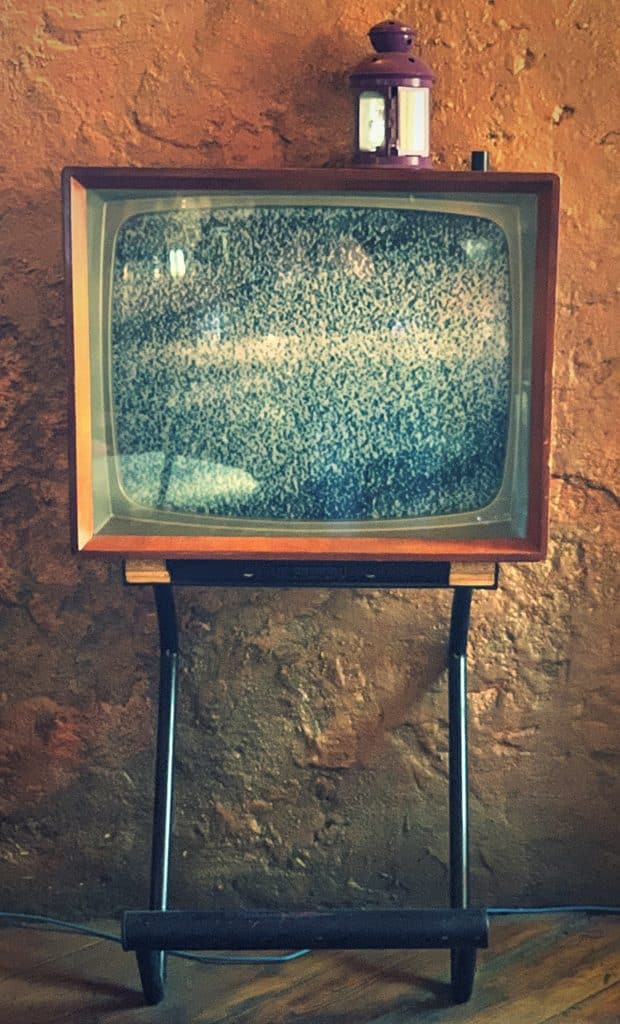
17. The Tracking Dial You’d Nudge Until the Picture Cleared
A grainy, rolling picture meant one thing: someone had to walk over and nudge a small dial on the front of the player. It took patience and a strange kind of faith that turning a knob slightly would actually fix anything.
Sometimes it worked immediately. Sometimes the whole family sat through five minutes of static lines, adjusting by increments, treating a broken picture like a puzzle everyone had a stake in solving.
Whoever got the picture clear earned a brief round of applause, entirely out of proportion to the actual skill involved. It didn’t matter. The applause happened anyway, every time.

16. The Late Fee That Always Found You
Somehow, no matter how careful anyone tried to be, a fee showed up. A movie that got returned a day late during a busy week, a tape buried under a couch cushion, a receipt nobody kept.
Real Talk: this probably paid for a good chunk of the store’s lighting bill over the years, and not in our favor. It stung every time, and it never once stopped anyone from renting again the following week.

15. The Two Different Rental Clocks Taped to Every Shelf
New releases ran on a short clock, usually two nights. Everything else ran on a full week. Both rules were taped right there on the shelf edge, and somehow people still misread them constantly.
You'll Also Love This
22 Simple Swaps for the Most Overpriced Movie Theater Snacks →
You’d plan an entire weekend around a rental window you’d gotten slightly wrong. It rarely mattered enough to change anything, but it added a small layer of math to a night that was supposed to be simple.

14. The Video Game Shelf Tucked in the Back Corner
Away from the movie aisles sat a smaller, sparser section for game rentals, usually guarded by its own separate fee structure. Kids gravitated there while parents finished picking a movie, negotiating a whole separate rental on the side, usually with a promise attached about screen time.
The Rewind: renting a game for a weekend cost less than buying it outright, which made it one of the earliest lessons a lot of us learned about value without anyone calling it that.