
29 Movie Theater Snack Bar Facts That’ll Change How You Order

We have spent a genuinely unreasonable amount of money at movie theater snack bars over the years, and somewhere around our fifth large popcorn combo we started asking why any of it works the way it does.
Turns out there is a whole quiet system behind that counter, built on math, habit, and a few tricks designed to nudge you toward the bigger size. We dug into all of it: the popcorn, the soda ratios, the pricing psychology, the stuff nobody explains while you’re standing there holding up the line.
Wait until you hear what’s happening at #1, because we have not ordered the same way since.
29. The Popcorn Machine Almost Never Fully Stops
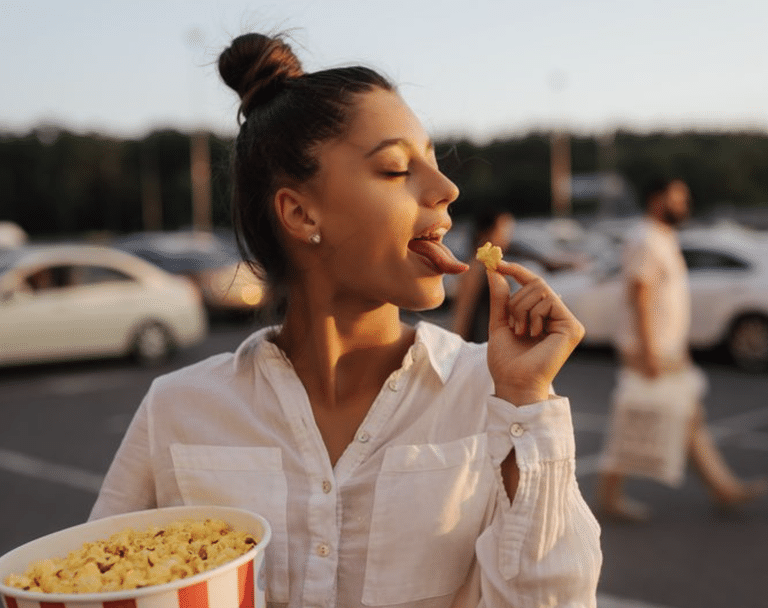
Most snack counters keep the popcorn machine cycling through nearly the entire shift, not just the ten minutes before a big rush. Small batches stay fresh, since popped kernels turn stale and chewy fast under heat lamps.
That constant popping is also why the smell hits you before you’re even through the doors. It’s less an accident of the building’s airflow and more the byproduct of a machine designed to never fully idle.
Some locations even run the machine on a timer through slow afternoons, just to keep the lobby smelling like showtime, whether anyone is buying or not.
The verdict: that smell is working exactly as designed.
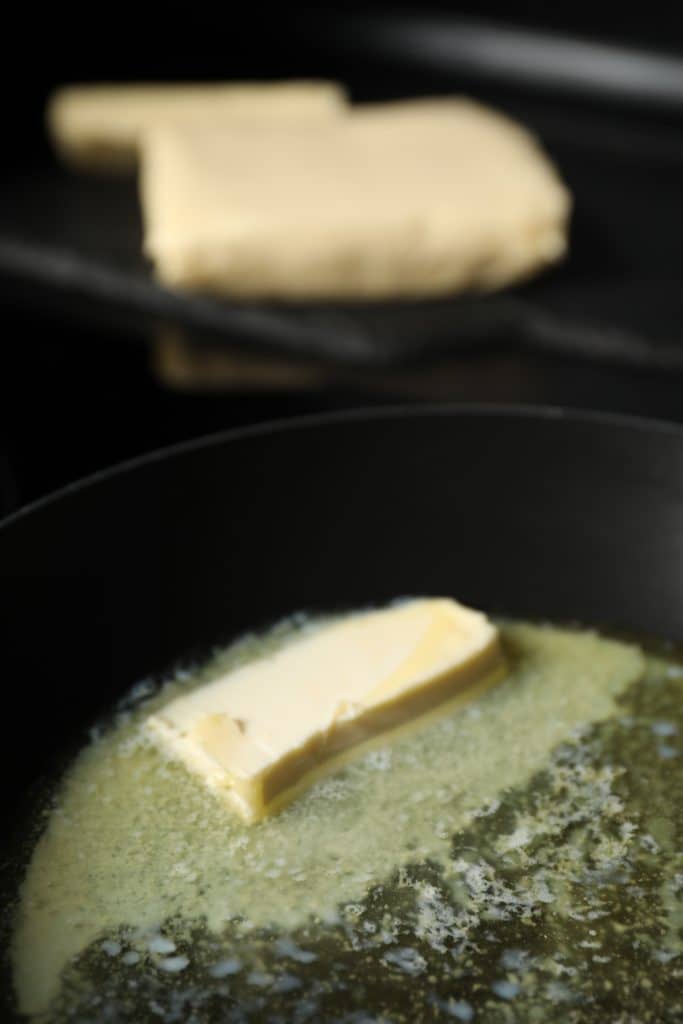
28. The “Butter” Is Almost Never Butter
The golden topping pumped onto your popcorn is, in most theaters, a flavored oil blend engineered to taste buttery without needing refrigeration. Real butter would spoil under those heat lamps within an hour.
The oil version pours smoother too, which matters when a single counter worker is topping a hundred buckets a night. Speed and shelf life win over dairy every time.
A few independent theaters do still use real melted butter as a point of pride. It’s rare enough now that it’s basically a selling point.
If you’ve ever noticed a slightly different sheen on the popcorn from one theater to the next, this is usually the reason. Oil-based topping pools and coats differently than melted dairy fat does.
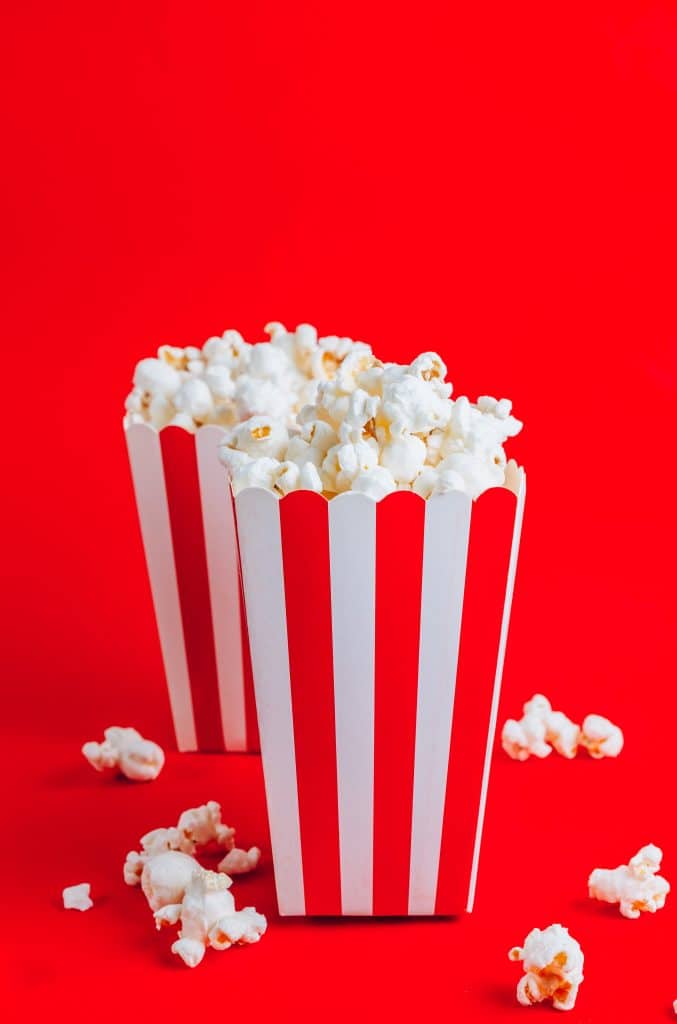
27. The Large Size Is Priced to Look Like the Smart Choice
The jump from medium to large popcorn is usually just a dollar or two, while the jump from small to medium can be nearly the same. That’s not a coincidence.
The bucket itself, plus the oil and seasoning, costs the theater almost nothing compared to the ticket price already in your hand. Pushing you toward the biggest size barely moves their expenses but moves your bill quite a bit.
It’s a classic pricing trick borrowed straight from the soda fountain playbook, and it works because the math genuinely does favor the large, at least if you were going to finish the bucket anyway.
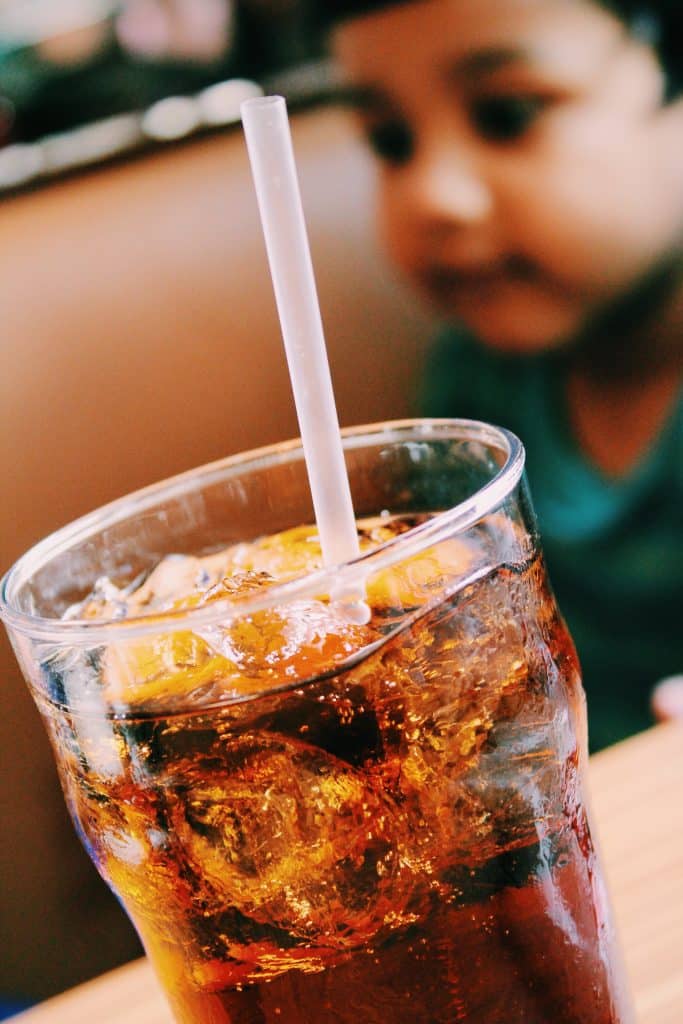
26. Fountain Soda Runs on a Fixed Syrup Ratio
Every fountain drink machine mixes syrup and carbonated water at a set ratio, usually somewhere around one part syrup to five parts water. Nobody behind the counter is eyeballing it.
That ratio is checked and calibrated on a schedule, because a machine running too syrupy or too watery gets noticed fast in customer complaints. It’s one of the more quietly precise parts of the whole operation, closer to a science lab than a lobby snack stand.
It also explains why the same drink can taste slightly different theater to theater. The calibration drifts a little over time.
25. The Ice Isn’t Cheating You Out of Soda
It feels like a scam when half the cup is ice, but the cup sizes are actually designed around that ratio from the start. The soda portion is measured to fill the remaining space, not shorted to make room.
Ask for less ice and most counters will simply top off the extra room with more soda, no extra charge. Most people just never think to ask, mostly because they assume the answer is no.
It’s one of the easiest free upgrades at the whole counter.
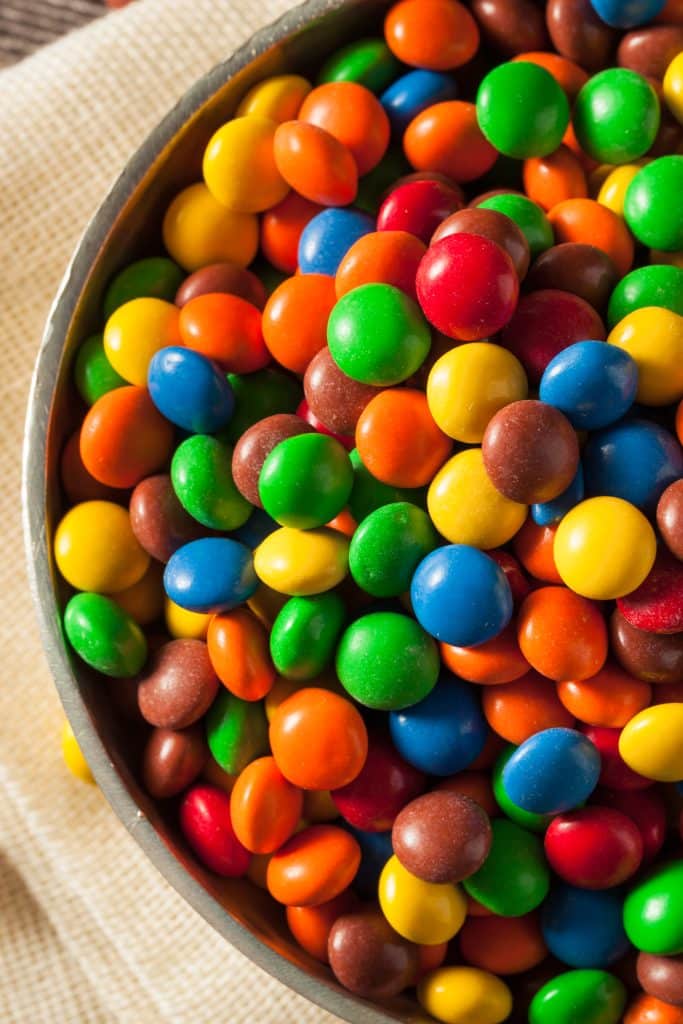
24. Wall Candy Is Priced to Match, Not Beat, the Corner Store
The boxed candy lining the counter costs more than it would at a grocery store, but usually not as much more as people assume. Theaters tend to price it close to convenience store rates rather than wildly inflated ones.
Keep the Laughs Going
32 Movie Popcorn Habits That Say More About You Than You Think →
The bigger cost driver is box size. Movie theater candy boxes often run larger than the standard retail version, which quietly justifies the price jump for anyone who actually checks the ounces printed on the side.
It still stings walking past a drugstore with the same box for half the price. That part never really goes away.
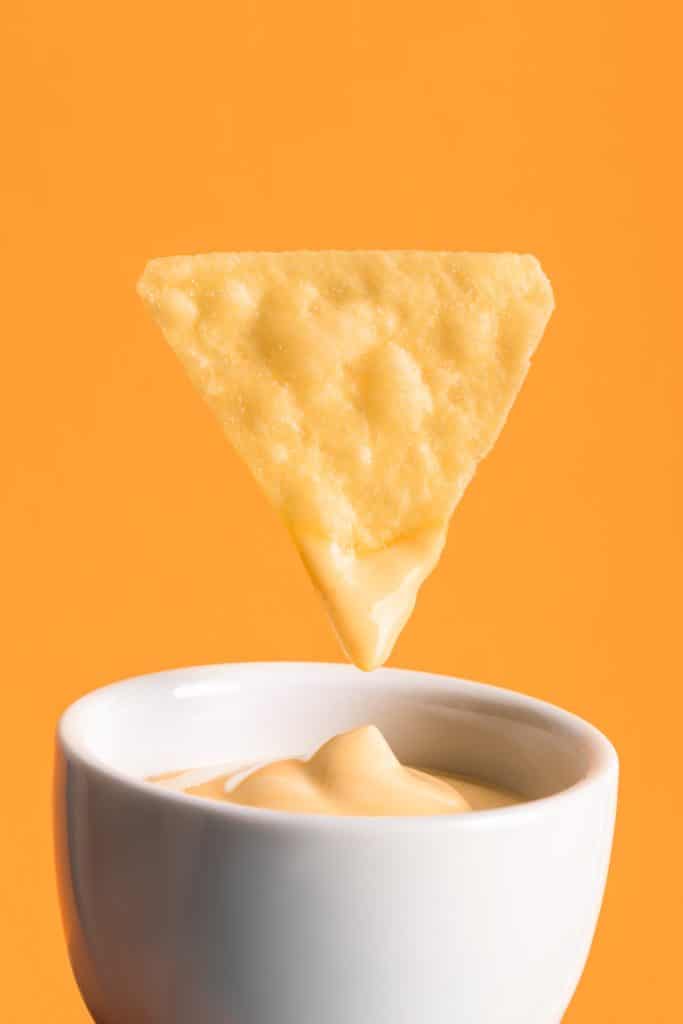
23. The Nacho Cheese Isn’t Really Cheese
The cheese pumped over movie theater nachos is a shelf-stable dairy product designed to survive hours in a warming well without separating. Real cheese sauce breaks down under that kind of heat.
Tom will defend this stuff to his grave and orders it every single time, arguing that it isn’t trying to be real cheese, it’s trying to be movie nachos, and it succeeds. Carrie thinks it tastes like a warm orange candle and has never once ordered it voluntarily.
Neither of them has changed the other’s mind in over a decade of this argument, and honestly, we’ve made peace with that.
(Open loop: the pricing trick at #16 makes this cheese question look small.)
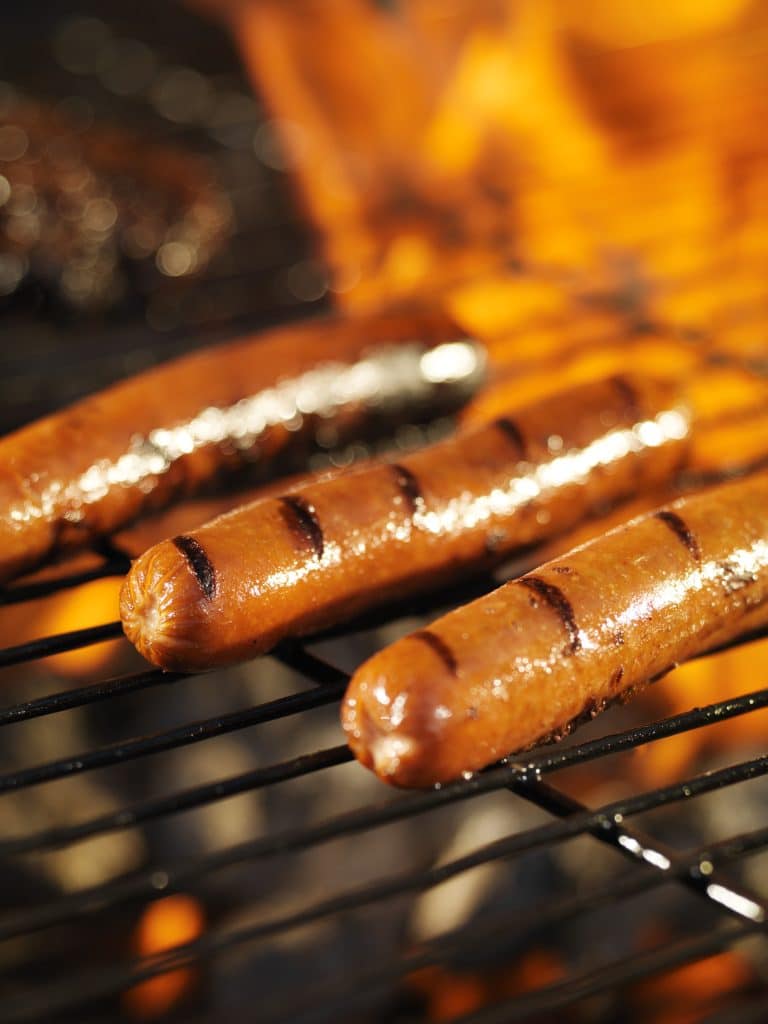
22. Hot Dogs Roll for Hours Before They’re Sold
The hot dogs turning on those warming rollers aren’t cooked fresh per order. They go on early in the shift and stay rotating under heat until someone buys one, sometimes for several hours.
Staff are usually trained to pull and discard dogs after a set window, often around four hours, to keep quality from sliding too far. The rotation itself is what prevents burning on one side, and a well-kept roller station is doing more quiet math than it looks like from the counter.
It’s not gourmet, but it’s more monitored than the average person assumes while walking past.
21. That Lobby Smell Might Be a Machine, Not Just the Popper
Some larger theater chains have used scent diffusers near the entrance to reinforce the popcorn smell beyond what the popper alone produces. It sounds like a conspiracy theory, but it’s a documented retail scent-marketing tactic.
The idea is simple: smell triggers appetite faster than a menu board does. By the time you’re at the counter, you’ve already half decided.
Smaller independent theaters mostly skip this. The smell there really is just the popcorn.
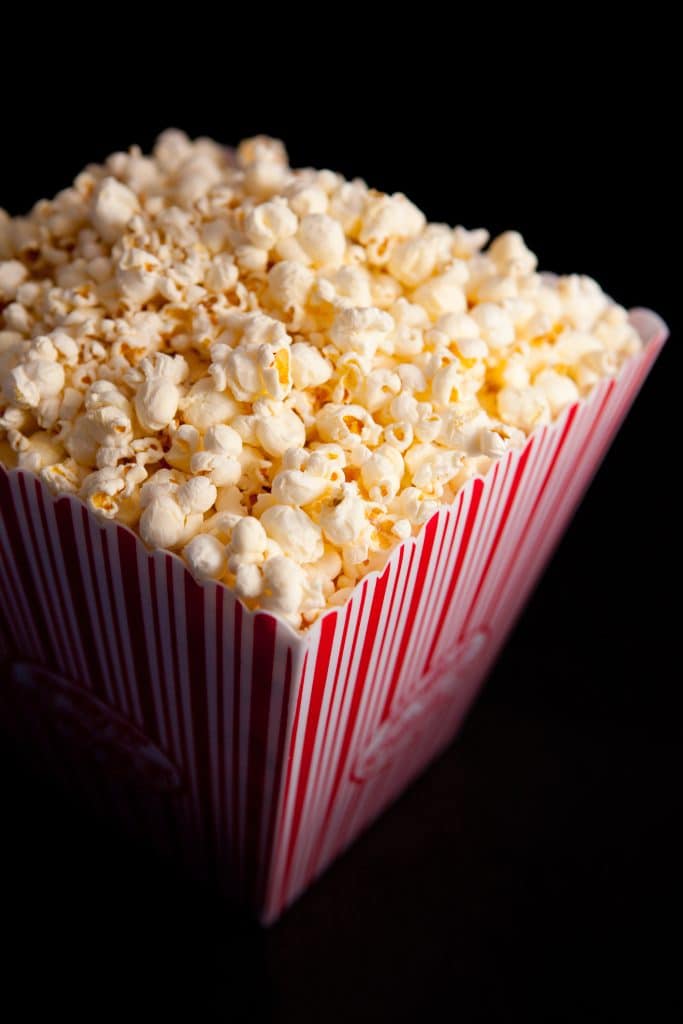
20. Popcorn Buckets Have a Strict Fill Line
Counter staff are usually trained to fill buckets to a specific level, not just scoop until it looks about right. Some locations mark the fill line on the inside of the scoop bin itself.
Under-filling gets flagged in customer complaints, and over-filling eats into the theater’s margin on a product that already has thin markup on the raw kernels. The middle ground is enforced more strictly than it looks.
The verdict: that “generous” scoop is measured, not improvised.
Tom & Carrie's Pick
23 Smart Movie Snack Tricks for Beating Ridiculous Concession Prices →
"Carrie swears by the popcorn one - Tom still doesn't believe it works."
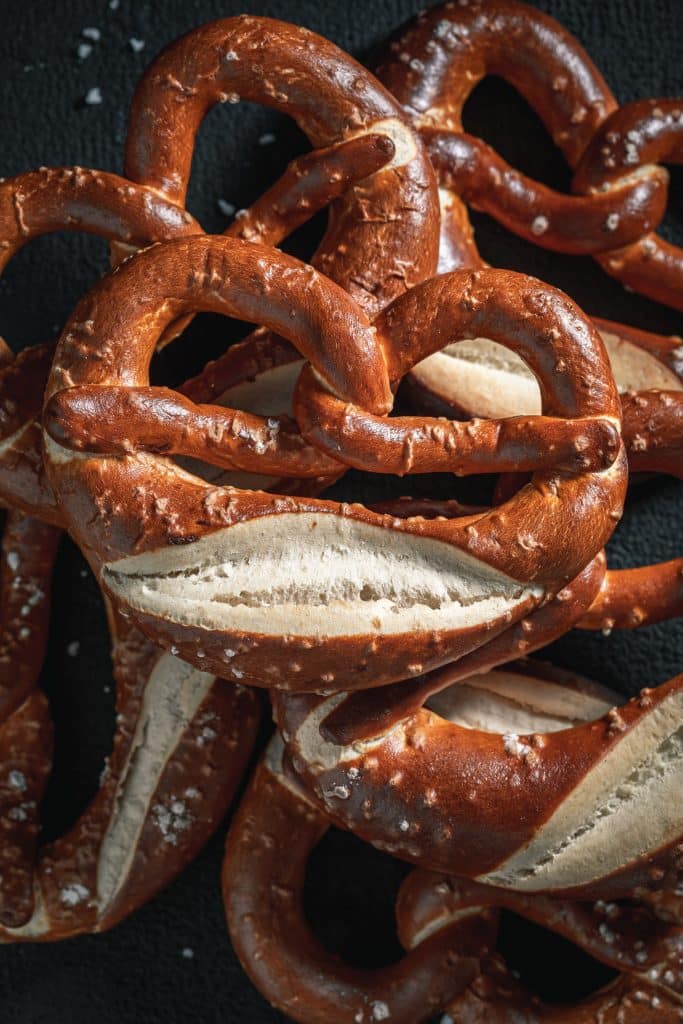
19. Pretzels Are Baked Off-Site, Then Finished In-House
Most soft pretzels arrive frozen from an outside supplier, already shaped and par-baked. The counter’s job is mostly to finish baking and salt them fresh right before serving.
That’s genuinely why they taste better than a gas station pretzel warmer. The final bake happens close to when you actually buy it, instead of sitting under a heat lamp for hours, which is the whole difference between a soft pretzel and a sad one.
It’s one of the few counter items where fresher preparation timing makes a real, noticeable difference, right down to how the outside crackles when you tear it open.
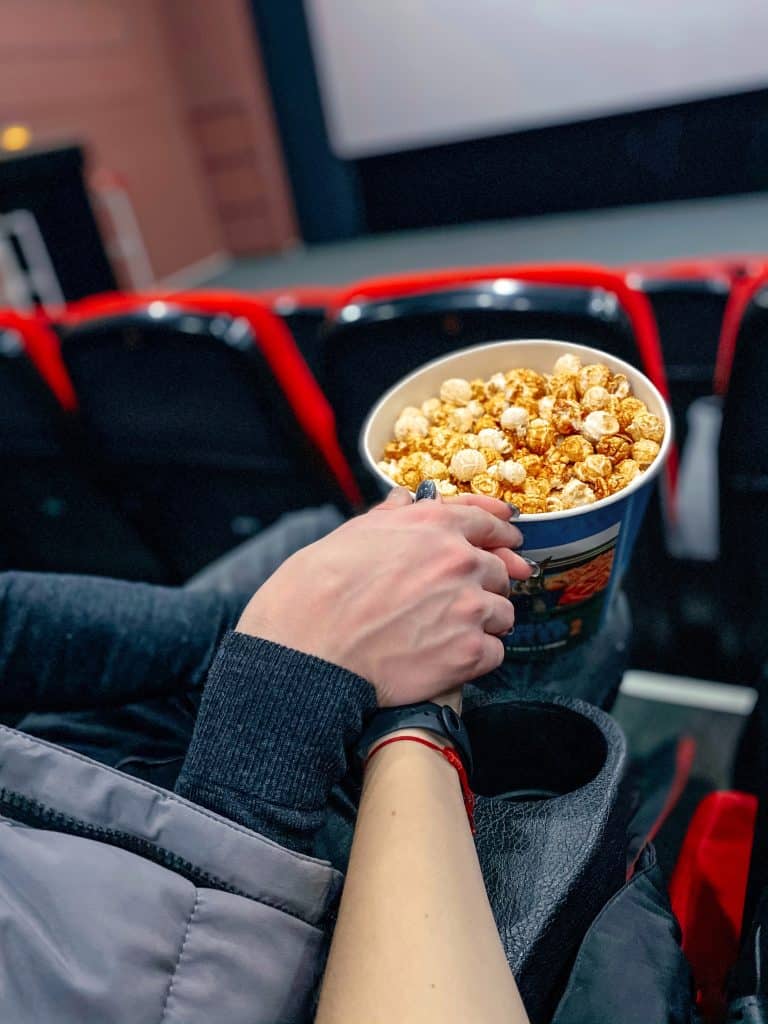
18. Recliner Seating Quietly Changed Snack Bar Traffic
When theaters started swapping in reclining seats and cutting total seat counts, snack bar lines got shorter almost as a side effect. Fewer seats per auditorium means fewer people rushing the counter at once.
It also nudged some theaters toward seat-side ordering and delivery service, which shifts snack spending away from the walk-up counter entirely. The whole layout of a night out quietly reorganized around fewer, comfier seats, and most people never clocked why the lobby suddenly felt calmer.
We miss the chaos a little, honestly. There was something about a packed lobby.
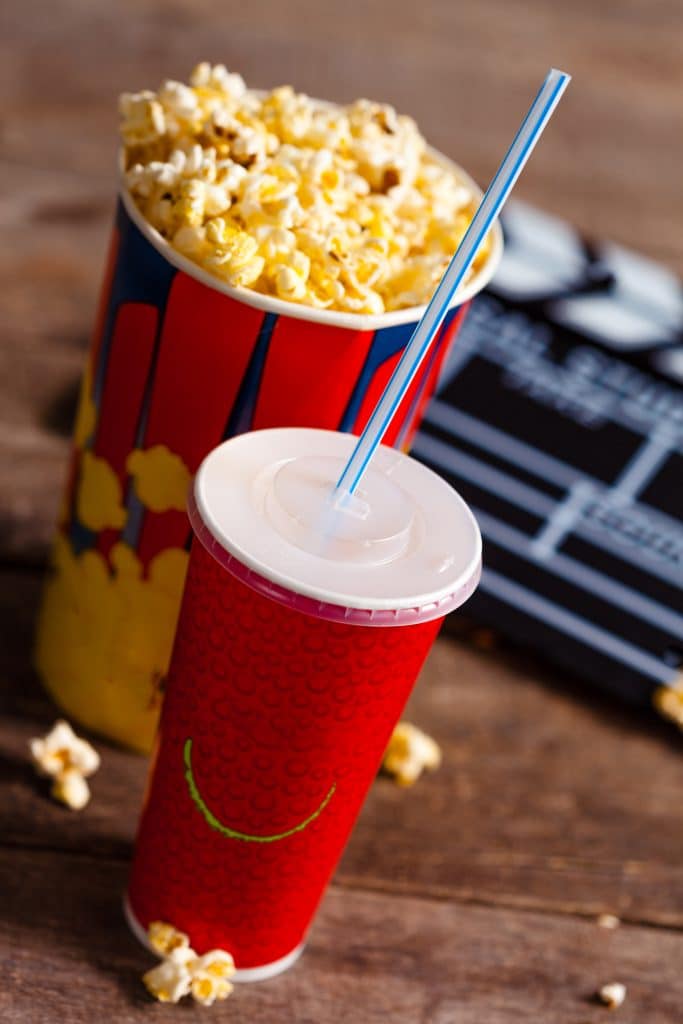
17. Self-Serve Soda Stations Exist to Cut Labor, Not Just Add Convenience
Letting customers fill their own cups and grab their own refills means fewer staff hours spent pouring drinks. It reads as a customer perk, and it is one, but it’s also a staffing decision.
Free refill policies became a lot more common once self-serve stations spread, since the marginal cost of letting you refill yourself is close to nothing for the theater. Fewer staff pouring drinks also means shorter lines during the ten-minute rush right before a big showtime.
Everybody wins here, which is rare enough at a snack counter to be worth noting.
16. Loyalty Apps Quietly Subsidize the Prices You See
Rewards apps and membership programs aren’t just goodwill gestures. Theaters use the data from what you order and when to plan staffing, inventory, and even which promotions to push next.
Some of the “deals” inside these apps are priced to still turn a profit even after the discount, using the same large-size math from earlier in this list. The free popcorn coupon usually shows up right when you’re due for a refill anyway, which is not exactly a coincidence.
It’s not a trick exactly, more a very well-timed nudge.
(Open loop: the profit math gets even wilder once you see item #9.)
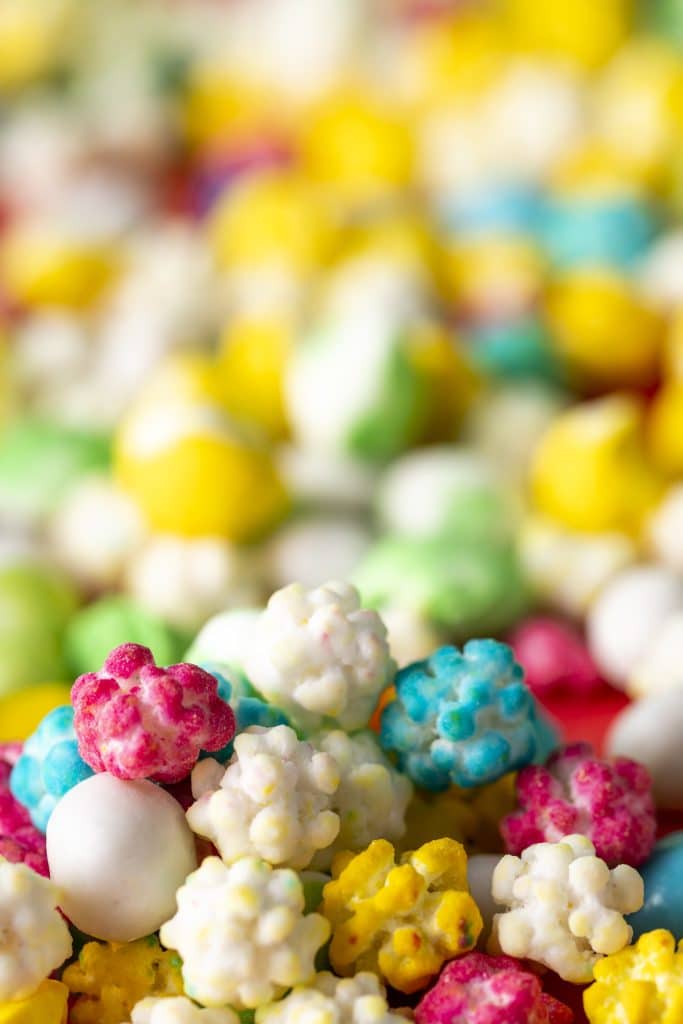
15. Movie Theater Candy Boxes Really Are Bigger
This one turned out to be true and not just a rumor. Many theater-distributed candy boxes contain more ounces than the same brand’s grocery store version, which is part of how the higher price gets justified.
It doesn’t fully close the price gap, but it narrows it more than people expect once you actually compare the weight printed on the box.
The verdict: check the ounces before you complain about the price. It helps, a little.
You'll Also Love This
34 Video Rental Store Rituals We All Remember From Friday Nights →
14. The Combo Deal Isn’t Always Actually the Better Deal
We have to be honest about this one, because it goes against the whole “always get the large” instinct on the rest of this list. Combo pricing is built to look like automatic savings, and sometimes it just isn’t.
If you only want a small drink and no candy, buying items separately can occasionally beat the combo price, depending on the theater’s specific markup that week. It’s worth doing the quick math in your head before defaulting to the bundle, even though the board is designed to discourage exactly that kind of pausing.
We got burned by this exact thing more than once before we started checking. Now we check.

13. Kids’ Combos Are Priced as Loss Leaders
The small popcorn, juice box, and candy bundle sold for kids often runs at a thin margin or close to break-even for the theater. It’s not really about profit on that specific item.
It’s about getting the whole family through the door, and just as much, getting the parents standing at the counter too. Adult snacks carry the real margin in that transaction, and a family of four rarely leaves with just one kids’ combo in hand.
The kid gets a cheap treat and doesn’t know they’re the bait. Nobody tell them.
12. Salt Goes On Before the Popping Is Finished
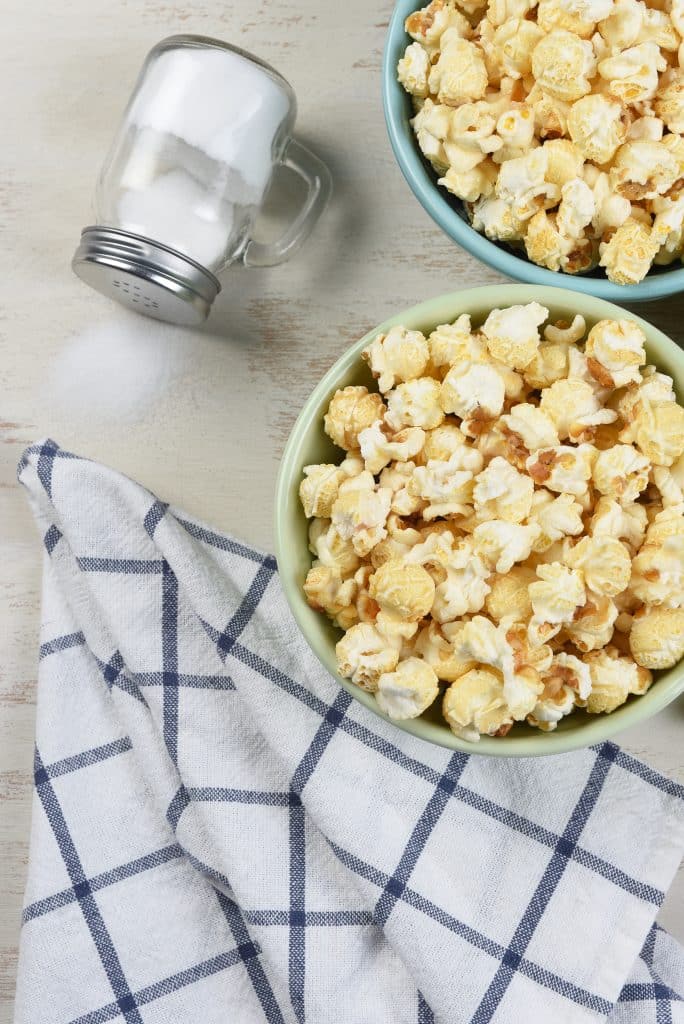
In a lot of commercial poppers, salt gets added to the kettle early in the cycle, not sprinkled on afterward. This lets the salt coat each kernel as it pops rather than sitting unevenly on top.
It’s the same logic behind why homemade stovetop popcorn tastes different from a bag shaken after the fact. Timing changes how evenly the flavor actually sticks, kernel by kernel, instead of settling at the bottom of the bucket.
Try it at home once and you’ll notice the difference immediately.
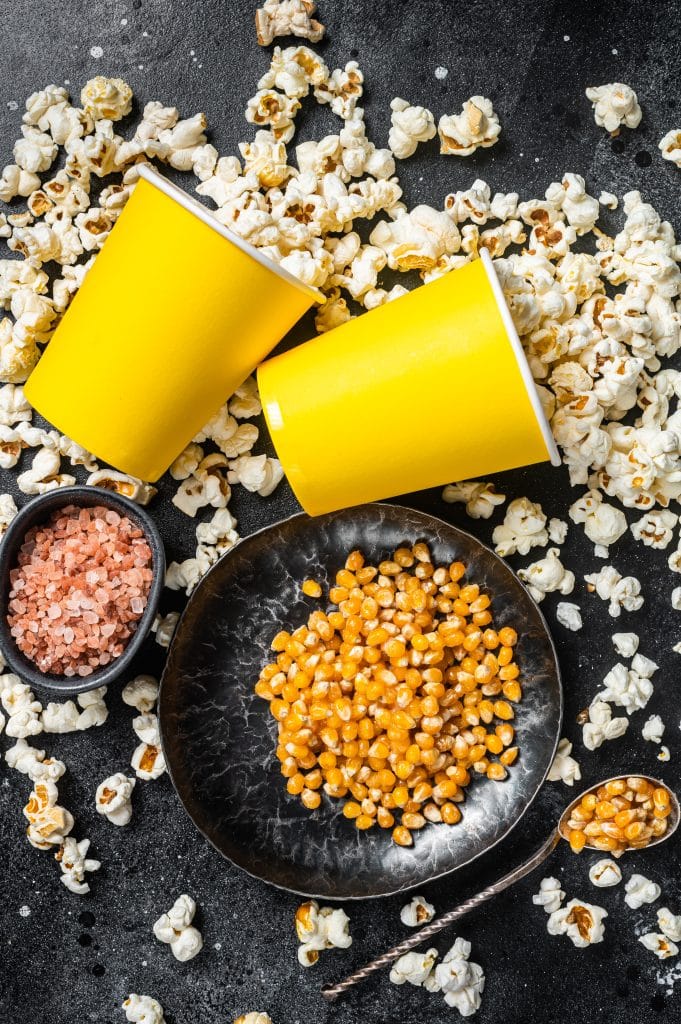
11. Air-Popped and Oil-Popped Theaters Taste Genuinely Different
Not every theater uses the same popping method, and the difference is bigger than most people register consciously. Oil-popped kernels tend to taste richer and fry up slightly crisper on the outside.
Air-popped versions are lighter and drier, which some people genuinely prefer, especially with extra butter topping added back on top. Neither one is objectively better, they’re just different snacks wearing the same name and sitting in the same style of bucket.
Next time it tastes different from your usual spot, this is probably why.
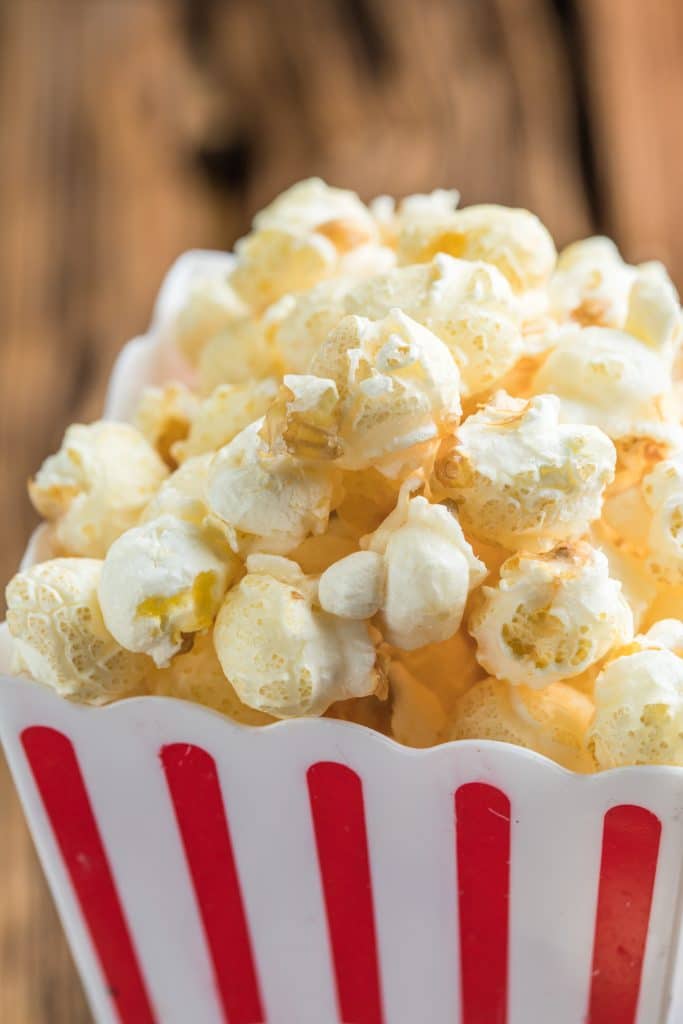
10. Butter Flavor Often Gets Mixed Into the Popping Oil Itself
Rather than only pouring butter topping on after the fact, some theaters use a butter-flavored popping oil from the very start. That means the flavor is baked in during the pop, not just added on top later.
Ask for “extra butter” at a theater doing this and you might just be getting the standard topping poured on twice, since the base flavor was already there. It still works, it’s just not quite the double dose people picture.
The verdict: your “extra butter” order was probably doing less than you thought.
9. The Snack Counter Often Outearns the Box Office, Item for Item
Ticket sales get split heavily with movie studios, sometimes leaving the theater with a small fraction of what you paid for the seat. Concessions don’t get split that way at all. The theater keeps the overwhelming majority of what you spend at the counter.
That’s the real reason the counter feels like the main event by the time you reach it. In a lot of ways, financially, it actually is.
It explains a lot about why the popcorn line is somehow always longer than the ticket line.
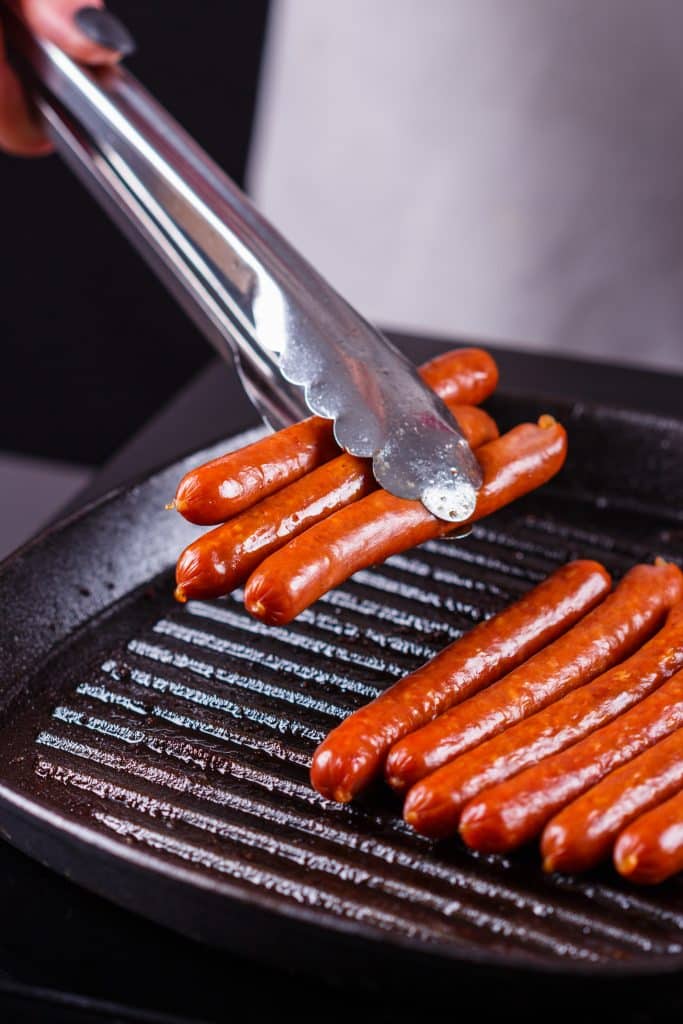
8. Hot Dog Rollers Get Rotated on Purpose
Those rolling grills aren’t just spinning for show. Staff typically shift hot dogs to different rollers or positions throughout a shift to prevent one side from cooking longer than the other.
It’s a small maintenance task that most customers never notice happening, but skipping it is exactly how you end up with the leathery, overcooked dogs everyone complains about after a long weekend rush.
A well-run counter is doing more quiet upkeep than it gets credit for.
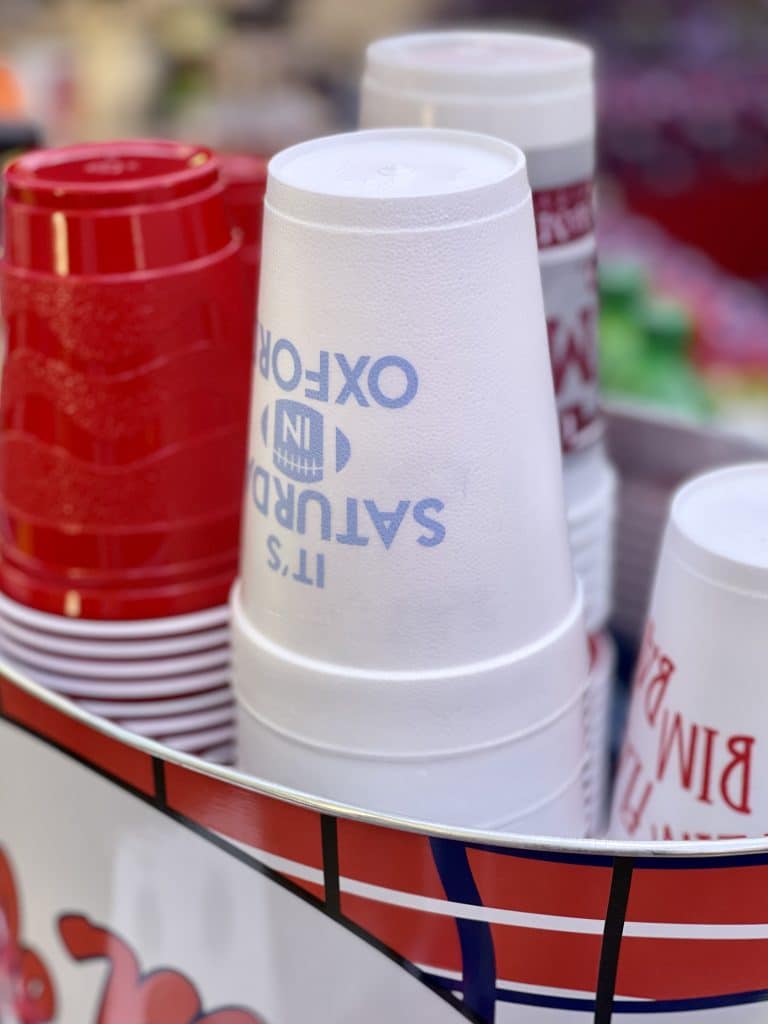
7. Cup Sizes Vary by Chain, Which Is Why Lids Never Fit Right
Every theater chain tends to use its own cup mold, sized to its own branding and pricing tiers. There’s no shared industry standard the way there is with, say, standard soda can sizes.
That’s why a lid from one theater’s large will never sit right on another chain’s medium, even when the cups look almost identical stacked side by side. Each one is a slightly different mold, made for a slightly different machine.
It’s a small, mildly annoying detail once you actually notice it.
6. The Candy Case Stays Cool for a Very Specific Reason
Chocolate that gets too warm and then cools back down develops a pale, waxy film called bloom, where the fat separates and rises to the surface. It’s not dangerous, but it looks and tastes off.
Keeping the candy case cooled, especially near a warm lobby full of popcorn machines and body heat, protects against exactly that. It’s a small, deliberate climate control decision most people never register, tucked into a corner of the counter nobody thinks twice about.
Next time your candy bar looks a little cloudy, now you know why.
5. Popcorn Oil Changed Decades Ago, and Some People Never Got Over It
Here’s an honest one. Most theaters used to pop with a heavily saturated fat, the kind that gave old-school popcorn a richer, heavier taste and a much longer shelf stability.
Health concerns pushed most of the industry toward lighter oils decades ago, and the flavor genuinely did shift as a result. It’s not just nostalgia talking. The chemistry actually changed.
Reader Favorites
We’ll admit it: the old stuff, by every account we’ve read and heard from people who worked counters back then, really was different. Whether it was better is the argument, not whether it changed.
4. The Modern Snack Counter Basically Saved Movie Theaters Once
Back when television first started pulling audiences away from theaters, ticket sales alone weren’t covering the bills at a lot of locations. Concessions became the financial lifeline that kept many theaters open at all.
That shift is a big part of why the counter has such an outsized presence in every theater’s layout and budget today. It’s not an afterthought bolted onto the lobby, it’s closer to the actual business model, one that’s held up long after the original crisis passed.
Knowing that changes how you look at the whole lobby setup.
3. Free Refills Cost the Theater Almost Nothing
Once you’ve paid for the bucket and the base fill, the marginal cost of a raw popcorn kernel and a little oil is tiny. Offering a free refill barely dents the margin already built into that first purchase.
It also keeps you at the counter longer, more likely to add a drink refill or grab something else while you’re there. The generosity and the strategy are basically the same move.
The verdict: take the refill, it’s genuinely free money left on the table.
2. New Items Often Get Quietly Tested at One Location First
Before a new snack rolls out chain-wide, some theaters run it through a limited test at a single high-traffic location, watching sales numbers before committing to a full menu change.
It’s the same playbook fast food chains use, just quieter and less publicized, since a movie theater menu doesn’t get the same national attention. If a test item flops, it just disappears without anyone outside that location ever noticing, no press release, no announcement, nothing.
Next time something odd shows up on the board, it might be an experiment nobody announced.
1. The Upsell Script Is a Specific, Trained Psychological Trick
This is the one that changed how we order for good, and it’s why we saved it for last. When a counter worker asks “would you like to make that a large for a dollar more,” that phrasing isn’t improvised.
It’s a trained script built on a well-documented pricing trick called anchoring, where naming a small extra cost against your already-decided purchase makes the upgrade feel almost free by comparison. Your brain compares the dollar to the whole order, not to what a large popcorn should actually cost on its own.
Once Tom read about this, he started answering “no thanks, medium is great” on pure principle, every single time, even when he secretly wanted the large. Carrie thinks this is a deeply silly hill to die on and tells him so at every single showing.
But he’s not wrong about the trick itself. Once you hear that specific phrasing and recognize what it’s doing, you genuinely cannot unhear it, and you start noticing the exact same anchoring move at the pharmacy counter, the coffee shop, and pretty much anywhere someone is trained to upsell you a size.
Order however you want. Just know, now, that the question was never really about the popcorn.
Credits Roll
We went into this expecting a handful of fun trivia facts and came out unable to order a medium anything without doing math in our heads first. That’s probably a permanent condition at this point.
None of this ruins the snack counter for us, honestly. If anything, knowing the whole system behind it makes the ritual a little more fun, the same way knowing a magic trick’s mechanics doesn’t stop you from enjoying the show.
We’ll still be standing in that line next weekend, one of us will still skip the nacho cheese entirely, and we’ll probably still get the large. Old habits, it turns out, are harder to unlearn than pricing tricks are to spot.