

27 Things You’re Paying For That Used to Be Free

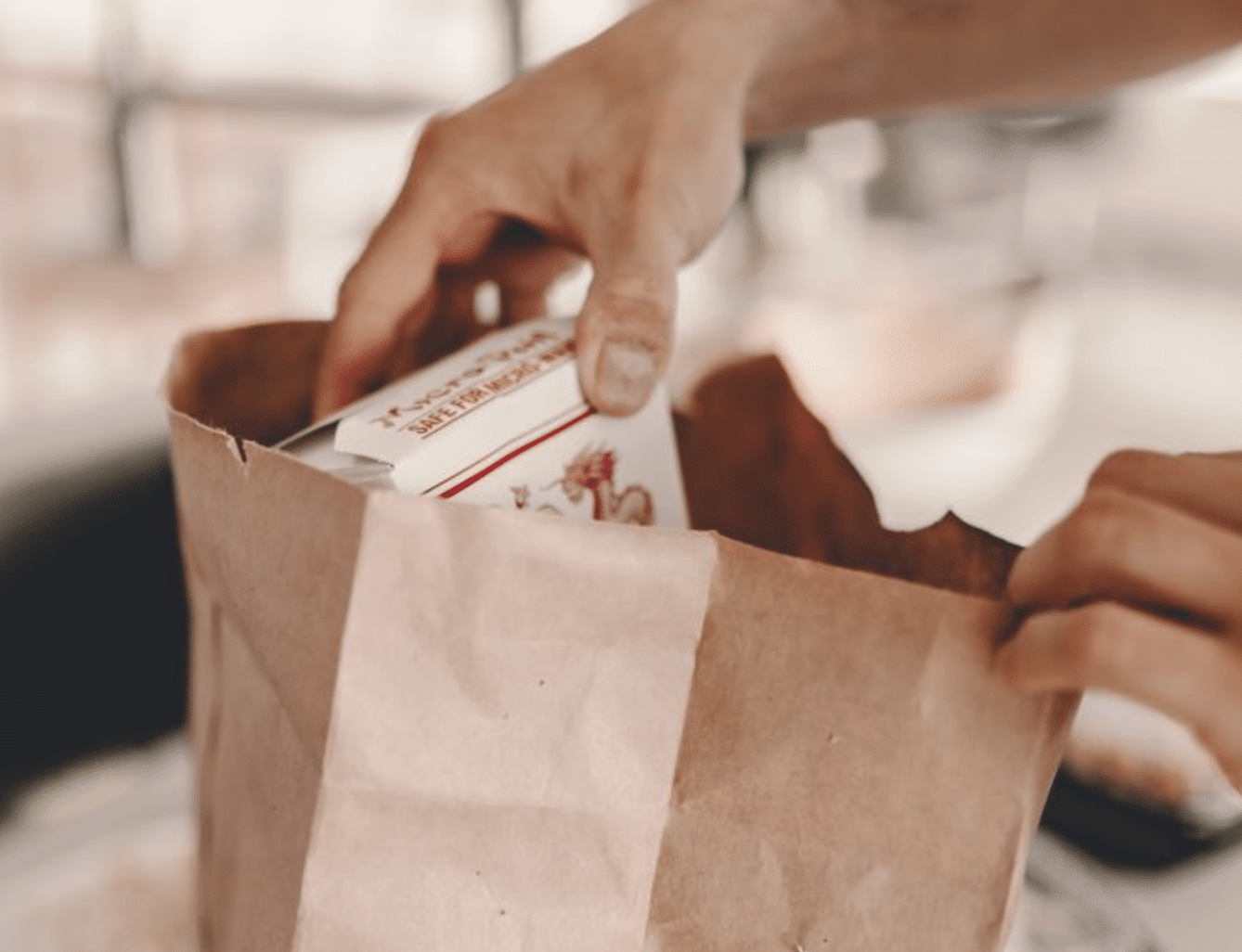
There was a time when the bag at checkout was just a bag. Nobody asked for a dollar. Nobody side-eyed the pillow at the hotel front desk like it was a menu item.
We started keeping a mental list of the small things that quietly turned into line items, and it got long fast. This is the countdown of the twenty-seven biggest offenders, ranked by how much they still make us mutter under our breath.
Stick around for number one. It turned a family vacation into a seating chart negotiation, and honestly, nobody in our house has fully recovered.
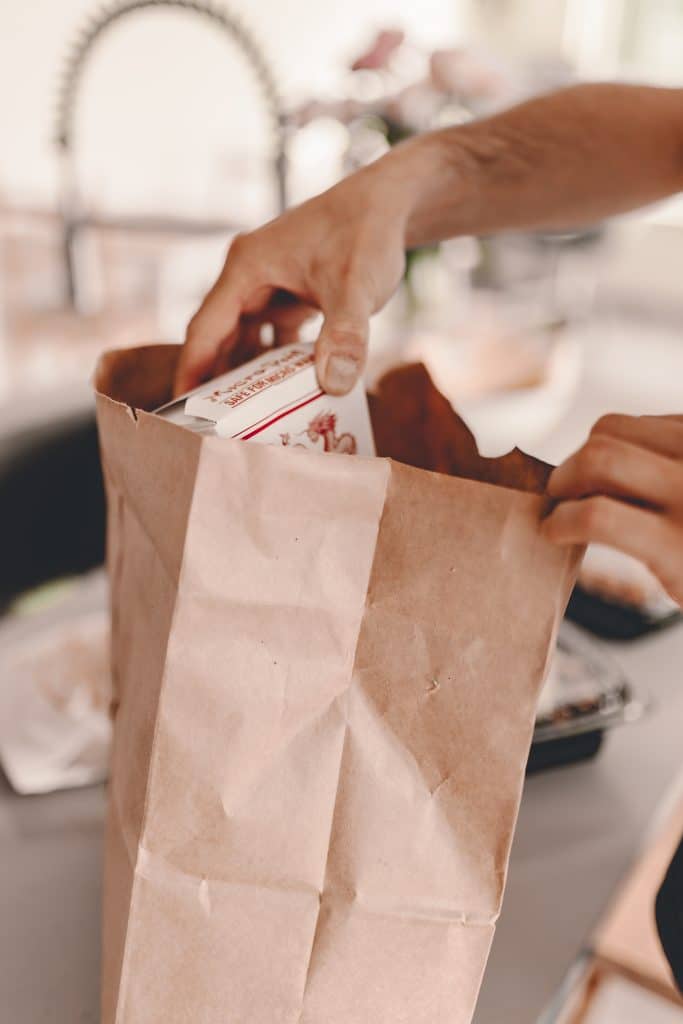
27. Grocery Bags at Checkout
Every trip to the store used to end with a stack of thin plastic bags handed over without a word. Nobody counted them. Nobody weighed the cart against a nickel-a-bag fee before deciding what actually needed to come home.
Now half the country either pays per bag or shows up with a canvas tote that’s somehow always sitting in the other car. We keep three totes in a kitchen drawer specifically for this and still forget them constantly.
The environmental case makes plenty of sense. That doesn’t stop the small flash of resentment when you’re standing there paying for the privilege of carrying your own milk home.
The verdict: we support the planet. We resent the nickel.
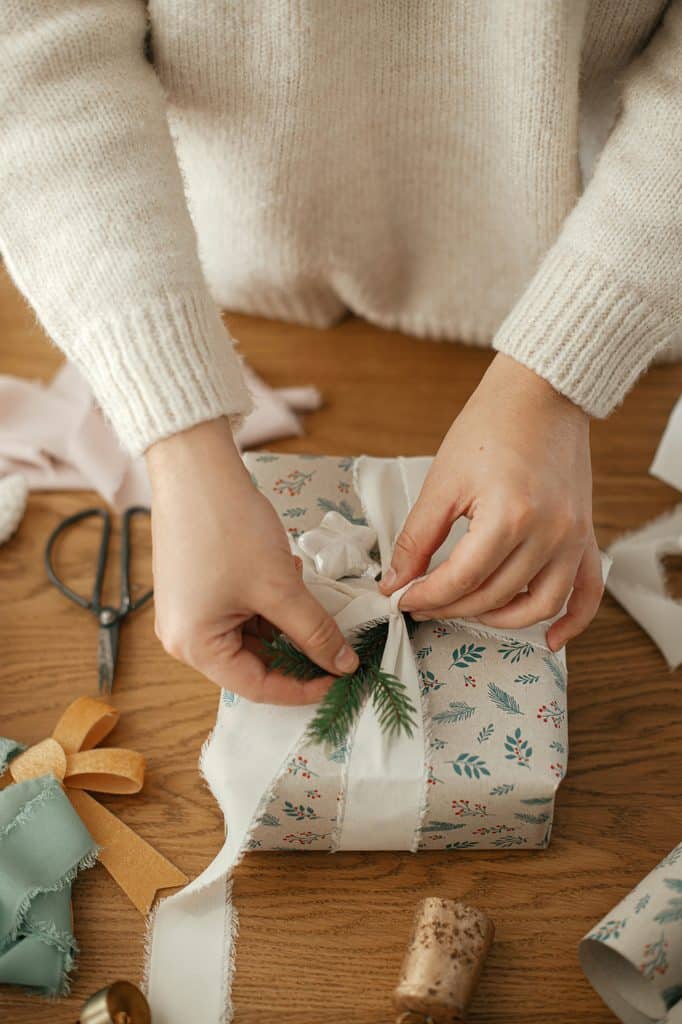
26. Gift Wrapping at the Register
Department store counters used to wrap a purchase in real paper, with a bow, while you waited and chatted about nothing in particular. It was baked into the price of shopping there, not an extra.
Now wrapping is its own service, tucked behind a separate counter with its own line and its own fee, when it exists at all. Most years you’re doing it yourself with tape that refuses to cooperate and paper that’s somehow always three inches too short.
We’ve made peace with the newspaper-and-ribbon method. It looks intentional if you say the word “rustic” with enough confidence.
The verdict: wrapping it yourself isn’t hard. It’s just extremely dependent on how much tape you’re willing to sacrifice.

25. The Extra Hotel Pillow
Hotel rooms used to come with a closet shelf of extra pillows and blankets, free for the taking, no phone call to the front desk required. You just opened the closet and took what you needed.
Now the pillow menu is a real thing, with firmness levels and delivery charges, and the closet shelf is usually just a spare hanger and an ironing board. Asking for a plain extra pillow can somehow still cost you.
We’ve started packing our own travel pillow. It has paid for itself roughly four hundred times over.
It’s a strange thing to pack for a trip meant to get you away from your own house. Somehow it’s become one of the first items on the list.

24. Early Boarding
Boarding a plane used to be first-come, first-seated, with maybe a courtesy call for families and anyone who needed a little extra time. Nobody paid to walk down the jet bridge sooner than the next person.
Now there’s a whole tiered system, and the earliest groups often cost extra on top of the ticket. It has turned the gate area into a low-grade standoff before anyone’s even boarded.
Here’s our honesty entry: sometimes it’s genuinely worth it. If you’re traveling with a stroller or a bag that needs overhead space, paying to board early can save more stress than it costs.
The verdict: annoying in principle, occasionally worth every penny in practice.
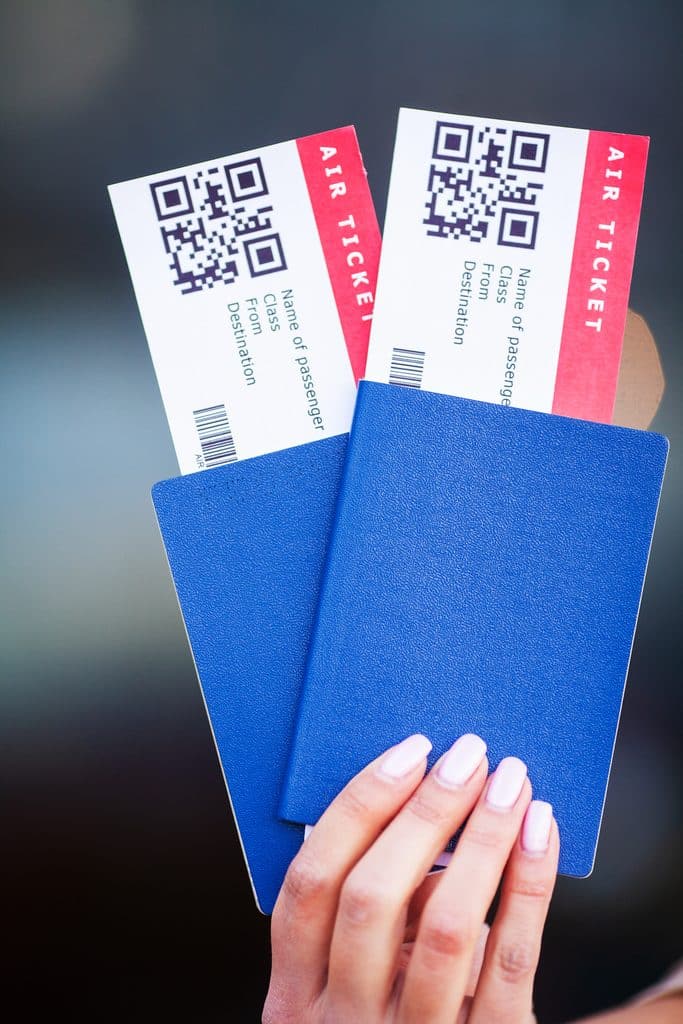
23. A Paper Boarding Pass from an Actual Human
Printing a boarding pass at the counter used to be part of the service, handled by a person who also told you your gate number and wished you a good flight. It cost nothing beyond the ticket itself.
These days, some airlines charge a fee if you show up without a printed or mobile pass already in hand, treating the counter as a last resort rather than the front door.
We understand the push toward self-service. We just miss being greeted by a person instead of a kiosk that beeps at you.
The Fine Print: check your airline’s policy before you fly. Some still print for free at the counter, but plenty now reserve that for premium tickets only.

22. Registering a Warranty
Buying an appliance used to come with a warranty card you filled out and mailed in, no strings attached, just proof of purchase and a promise of coverage.
Keep the Laughs Going
32 Strange Household Tricks That Actually Saved People Money →
Now plenty of retailers push an “extended protection plan” at the register that costs extra and mostly duplicates coverage the manufacturer already provides for free, if you’d only read the fine print on the box.
We’ve learned to ask what’s already covered before paying for coverage that might already exist. It’s saved us more than once.
The paperwork that came with the appliance usually has the answer, buried somewhere in a paragraph nobody reads. It’s worth the five minutes before you say yes at the register.

21. Reaching a Real Person on the Phone
Calling customer service used to mean a hold song and, eventually, a human being who could actually solve your problem. That was simply how the phone line worked.
Now some companies route free callers through an automated maze for an hour and reserve the fast lane to a real person for members on a paid tier. The phone tree has become its own kind of velvet rope.
We’ve caught ourselves upgrading a subscription for the sole purpose of skipping the robot voice. It works, and we’re not proud of it.
Wait until you see what’s waiting at number one. It’s the item that started this whole list.
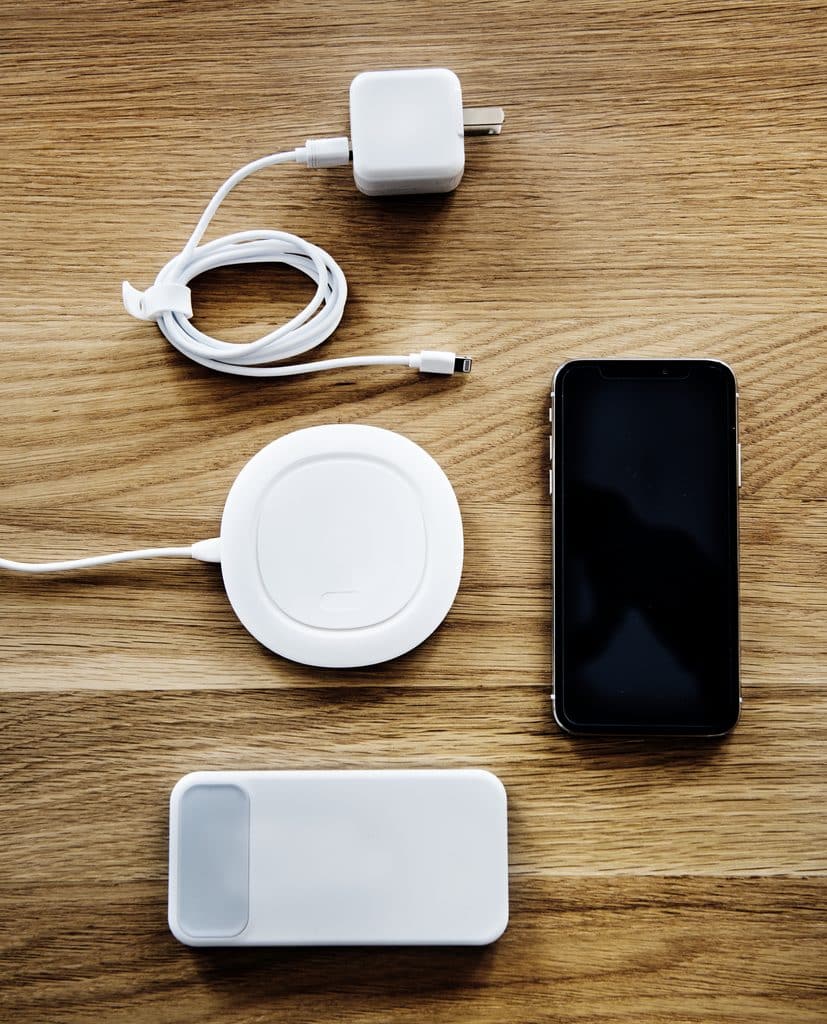
20. The Charger in the Box
A new phone used to come with everything you needed to charge it, right there in the box, no separate trip required. It felt obvious at the time, which is exactly why nobody thought to appreciate it.
Now the charging brick is frequently sold separately, tucked on a rack near the register like an afterthought that costs thirty dollars. Tom still has a drawer of old chargers he swears he’ll need eventually, and so far he hasn’t been wrong.
The environmental reasoning is real, since most households already own a pile of compatible bricks. That doesn’t make it sting less the one time you actually need a new one.
Half the drawer is chargers for phones nobody in the house owns anymore. Nobody has the heart to throw them out yet.

19. Notary Stamps
Plenty of banks used to notarize documents for customers at no charge, as a courtesy for keeping your money there. You’d walk in, get a stamp and a signature, and walk out.
Now that courtesy has quietly disappeared at a lot of branches, replaced by a per-document fee or a referral to a shipping store that charges by the stamp.
We keep a running list of which local branch still does it for free. It changes more often than we’d like.
Real Talk: call ahead before you drive across town for a stamp. Policies vary by branch, not just by bank.
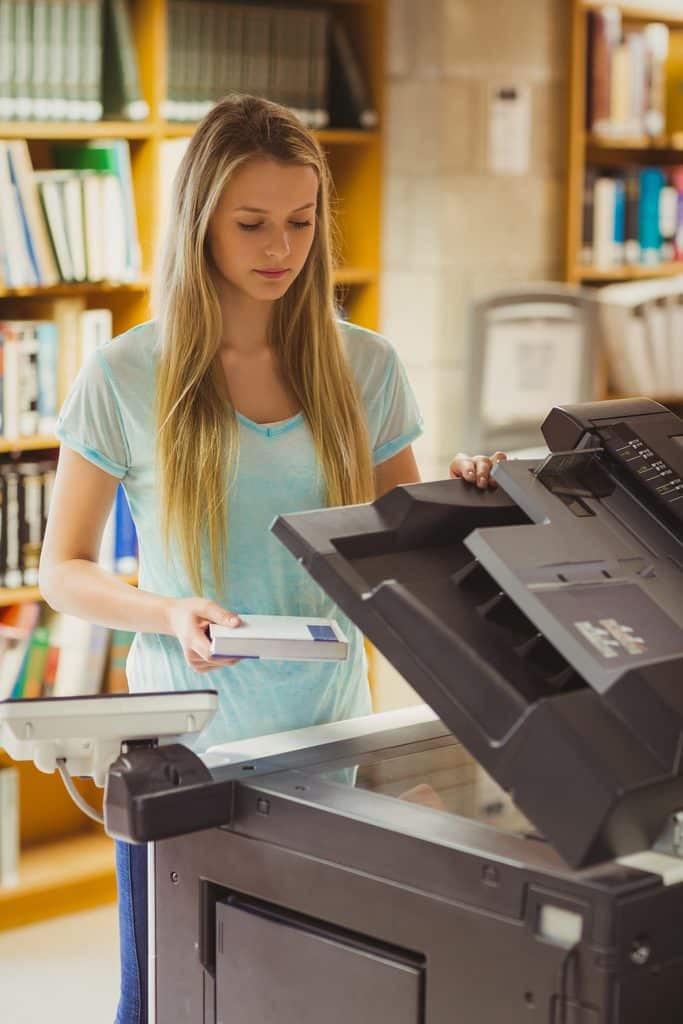
18. Printing a Page at the Library
Public libraries used to let you print a page or two without reaching for your wallet, treating it as part of basic access rather than a paid extra.
Now most branches charge a small per-page fee to cover paper and toner, which makes sense on paper, so to speak, but still feels like a strange thing to nickel and dime at a place built around free access to information.
Tom & Carrie's Pick
30 Things Frugal People Won't Waste Their Money On →
"Tom is offended by how many of these describe him exactly."
It’s a small charge in the grand scheme. It’s just funny how many of these small charges have added up.
Plenty of branches still offer a handful of free pages before the meter starts. It just varies enough from location to location that you can’t count on it.
17. Napkins at the Counter
Fast food counters used to have a napkin dispenser sitting right out in the open, unguarded, unlimited, and entirely unremarkable.
Now some delivery apps charge a small fee if you want napkins and utensils included with your order, treating basic eating tools as an add-on you have to remember to select.
We’ve started checking that box every single time out of pure spite. It rarely feels like a win, but it feels like something.
It’s such a tiny fee that it barely shows up on the receipt. It still shows up in the principle of the thing.

16. The Extra Condiment Packet
Asking for a few extra ketchup packets used to be a non-event, the kind of small request nobody blinked at, let alone charged for.
Now plenty of counters cap the free packets and charge a small fee for anything beyond that, which somehow makes ordering fries feel like a negotiation.
We’ve genuinely watched someone haggle over a fifteen-cent packet fee. We understand them completely.
It’s such a small amount of money that fighting about it feels a little absurd. That’s exactly why it works so well as a principle to fight about.

15. WiFi in a Hotel Room
There was a stretch where hotel internet access was one of the first things to go from a paid perk to a basic expectation, included with the room like the television.
Then plenty of hotels found a new way to split it: slow WiFi included for free, fast WiFi available for an extra fee per day, as if speed itself were a separate amenity.
We’ve paid that upgrade fee exactly once, out of desperation during a work trip. It felt like being charged for the water to be wetter.
Score at Home: check the fine print before booking. Some hotels bundle fast WiFi into a mandatory “resort fee” instead of charging separately, which is its own kind of trick.
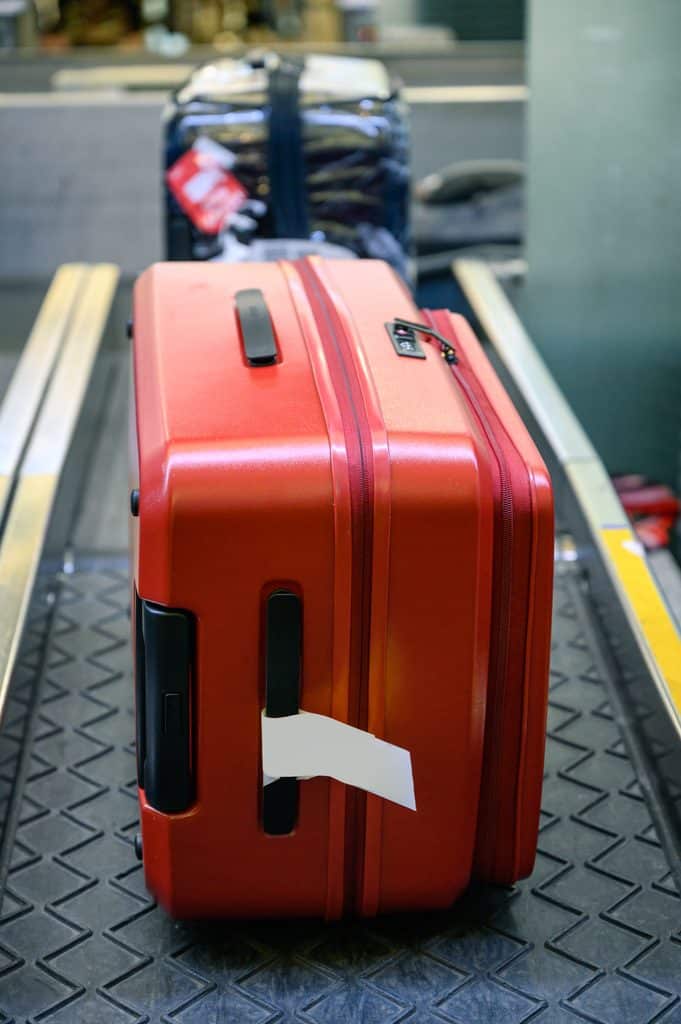
14. Checking a Suitcase
Checked luggage used to ride along with your ticket at no extra charge, one bag, sometimes two, handled without a second thought at the counter.
Now the checked bag fee is practically its own line of business for some airlines, and packing light has gone from a personal preference to a financial strategy.
We’ve become alarmingly skilled at fitting a week’s worth of clothes into a bag the size of a lunchbox. It’s not a talent we asked for.
Coming up in a few entries: the fee that made us start reading every single line of a hotel confirmation email.
You'll Also Love This

13. Changing a Flight
Plans used to change without much financial consequence. You called the airline, moved your seat to a different day, and paid only the fare difference, if there even was one.
For a long stretch, most airlines added a separate change fee on top of that fare difference, sometimes higher than the ticket itself. Some routes have since dropped it, others haven’t, and the inconsistency is its own headache.
We now book the more flexible fare almost automatically. It costs a little more up front and saves us from a much bigger surprise later.
The rules seem to shift every year, which makes it hard to plan around. We’ve stopped trying to memorize the policy and just check it fresh every single time.
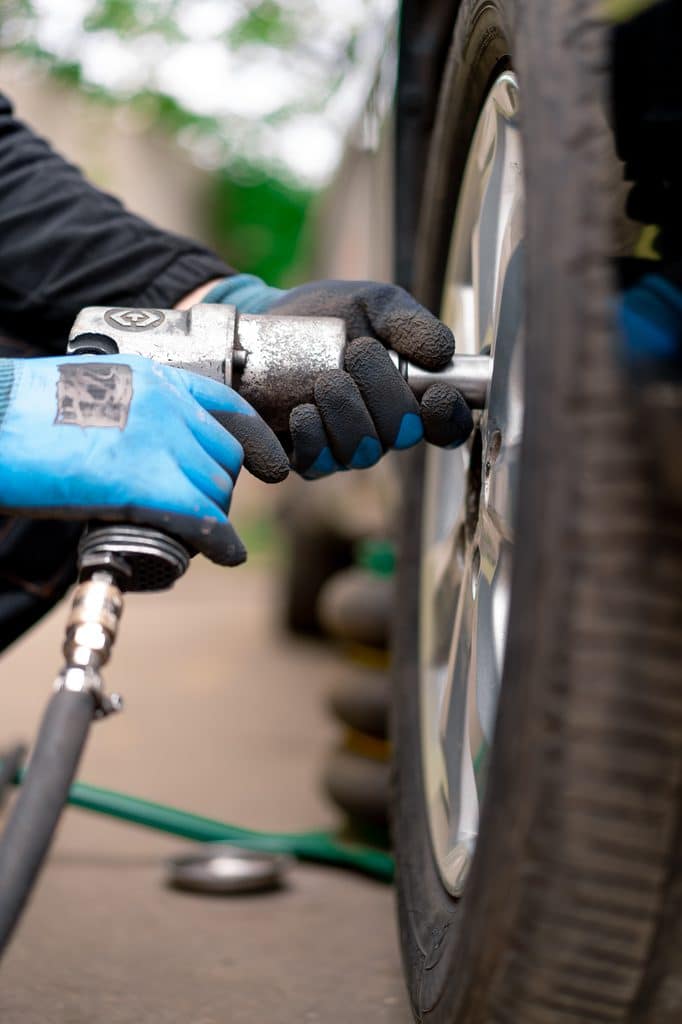
12. Tire Rotation with an Oil Change
A lot of shops used to fold a tire rotation into a standard oil change without an upcharge, treating it as part of the routine service rather than a separate job.
Now it’s often listed as its own line item, tacked onto the bill even though the car is already up on the lift and the tires are right there.
We’ve started asking upfront what’s actually included before we say yes to anything. The bill still finds a way to surprise us.
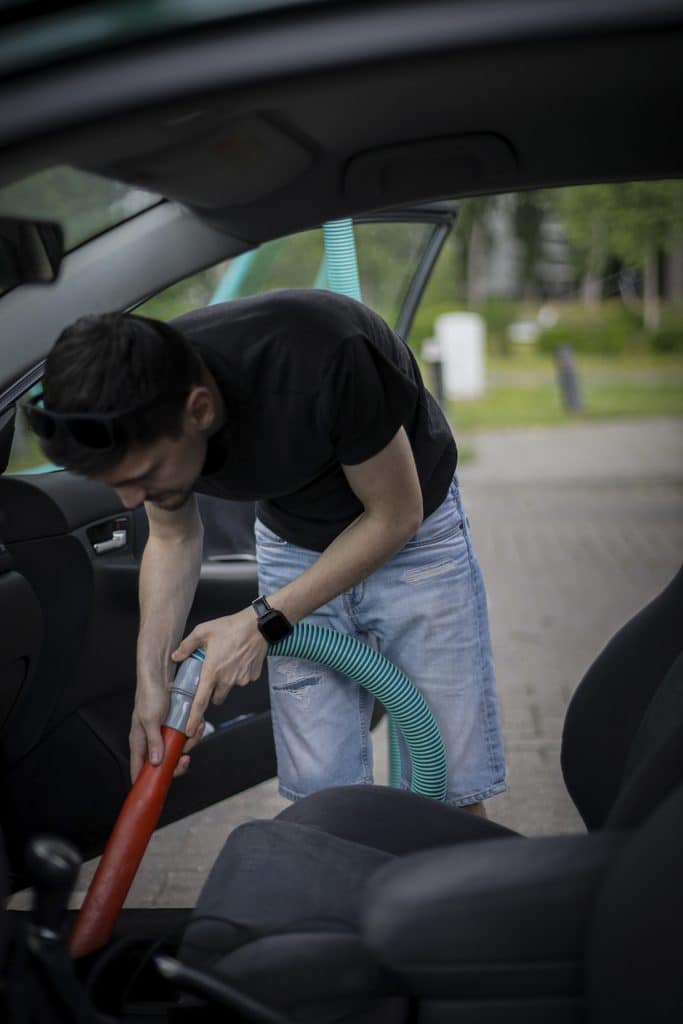
11. The Vacuum at the Car Wash
The self-serve vacuum bays at the car wash used to run on the same wash ticket you’d already paid for, no extra coins required.
Myth: paying separately for vacuum time is just another upsell designed to squeeze a few more dollars out of you.
Reality: the industrial vacuums at a paid bay are often genuinely stronger than anything at home, and they’ll pull sand out of seams a household vacuum never touches. It’s an upcharge, but it’s not a scam.
We still grumble every time we feed the machine another few dollars. We also still use it, every time.
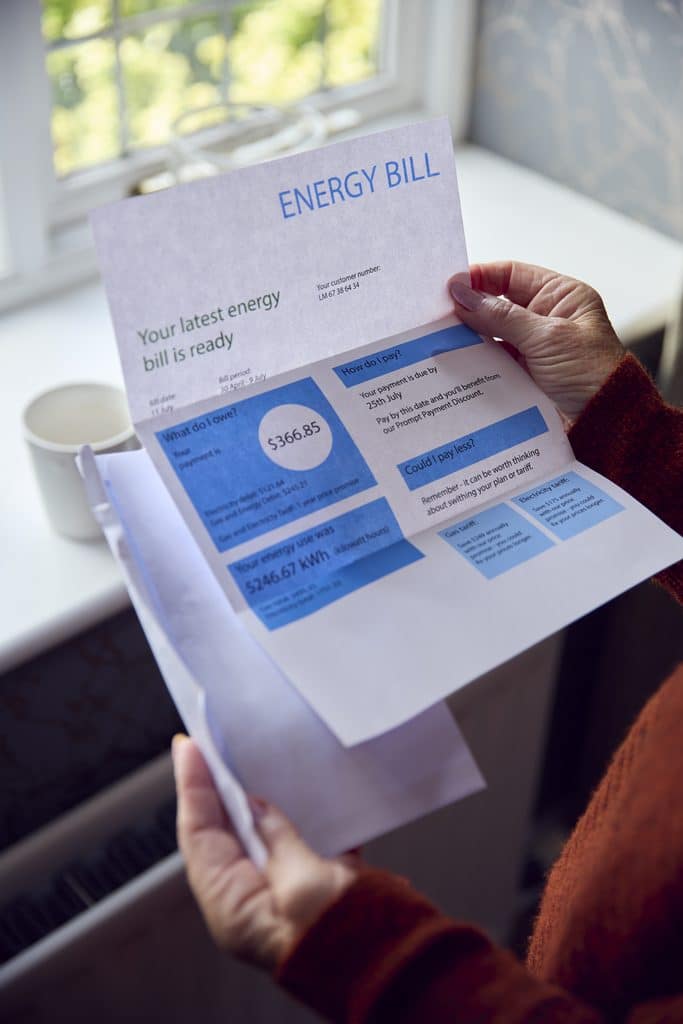
10. Paper Statements in the Mail
Getting a bank or credit card statement in the actual mailbox used to be the default, no opt-in required, no fee attached.
Now plenty of institutions charge a small monthly fee if you want paper instead of digital, flipping what used to be the standard into the premium option.
We get the environmental logic. We also know a few people who genuinely need the paper trail and now pay for the privilege of keeping one.
A lot of institutions will waive the fee if you simply call and ask. Most people never call and ask, which is exactly the point.