

21 Everyday Habits That Are Secretly Wasting You Money

We used to think we were pretty responsible with money, then Carrie tracked every purchase for a month and proved us wrong. Turns out the habits draining our accounts were not the big splurges we felt guilty about. They were the small automatic ones we never even noticed doing.
Some of these will make you laugh because you do them daily. Others might sting a little, and that is fine, that is what this list is for. Stick with us to #1, because it is the habit that quietly costs most households more than everything else on this list put together.

21. The Phone Charger You Never Unplug
Every house has at least one charger that lives in the outlet permanently, the kind nobody remembers plugging in and nobody bothers to unplug. The idea that this is secretly draining your bank account has been repeated so often it feels like fact.
Here is the honest version. A charger sitting idle in a wall outlet pulls a tiny trickle of power, usually pennies a year, not the dollars-a-month horror story that gets passed around.
We are not telling you to stop unplugging things if that is your habit. We are telling you not to feel like you are hemorrhaging cash over a charger. Save the guilt for the items further down this list, they earn it.
Real Talk: Phantom power from small electronics is real but tiny. The bigger phantom drains are usually game consoles, cable boxes, and anything with an always-on display clock.

20. The Family-Size Pack You Buy on Autopilot
The bigger package always looks like the smarter buy, and sometimes it is. The problem is most of us stopped doing the actual math somewhere around year two of adulthood and just started trusting the bigger box on reflex.
Unit pricing exists for exactly this reason, usually printed in tiny type on the shelf tag right under the price. Divide the total cost by the ounces or count, and compare that number across sizes instead of trusting your gut.
We started checking unit price on everything for one month and found the smaller size was actually cheaper in about a third of cases, especially on snack foods and cleaning supplies. The bigger box is a habit, not a rule.
Watch for this on anything you use a spoonful at a time, spices, specialty condiments, anything with a real shelf life. In those cases the smaller size is the only size worth buying, no matter what the unit price tag says.

19. The Free Trial You Forgot to Cancel
Free trials are designed around one bet: that you will forget the cancellation date. Most of the time, that bet pays off.
We now set a phone reminder the same day we sign up for anything free, timed two days before the trial converts to a paid plan. It takes ten seconds and has saved us from at least six subscriptions we never used past week one.
If you cannot commit to reminders, write the cancellation date directly on your calendar in the app itself. The goal is making the decision before the trial makes it for you.
Keep this one in mind. By the time we get to #1, you will see exactly how much this kind of small forgetting can add up to.
18. The Half-Full Dishwasher Load
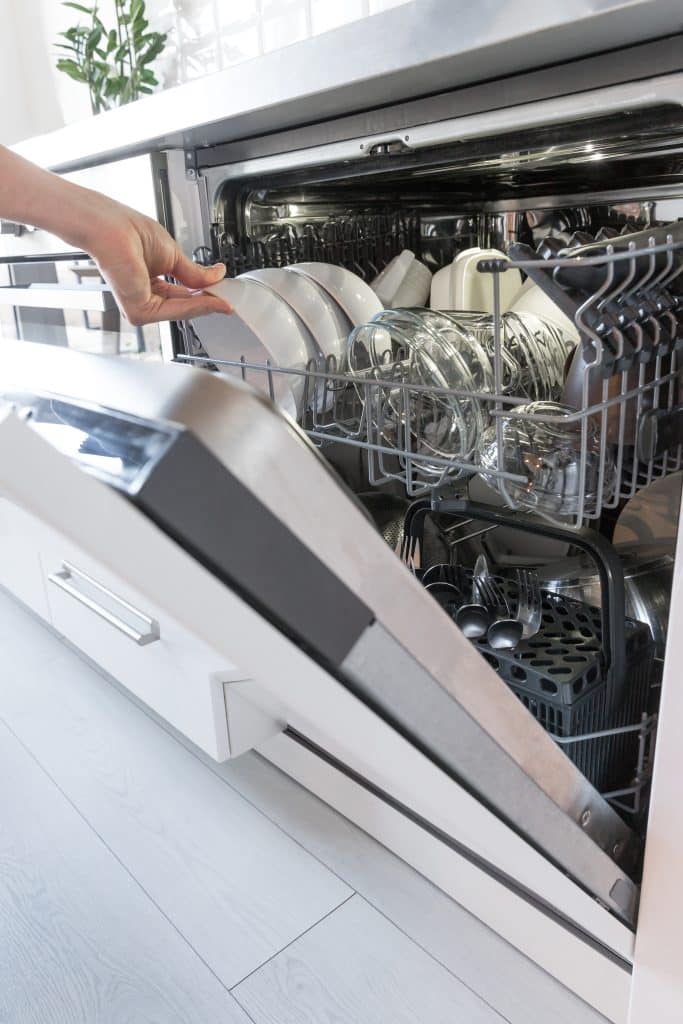
Running the dishwasher for six dirty plates feels efficient because it gets the sink empty. It is not efficient, it is just fast.
A full load and a half-empty load use roughly the same water and electricity, so every run under capacity is paying full price for partial value. Waiting an extra day to fill the machine costs nothing but counter space.
We started keeping a small rack for anything that would rather be hand-washed anyway, which let the dishwasher fill up properly without us panic-running it half full out of habit.
The same logic applies to washing machines and dryers. A small load run out of impatience burns through water, detergent, and electricity at close to full-load rates, so waiting a day is one of the easiest savings on this list because it costs nothing but patience.
17. The Checkout-Lane Impulse Grab
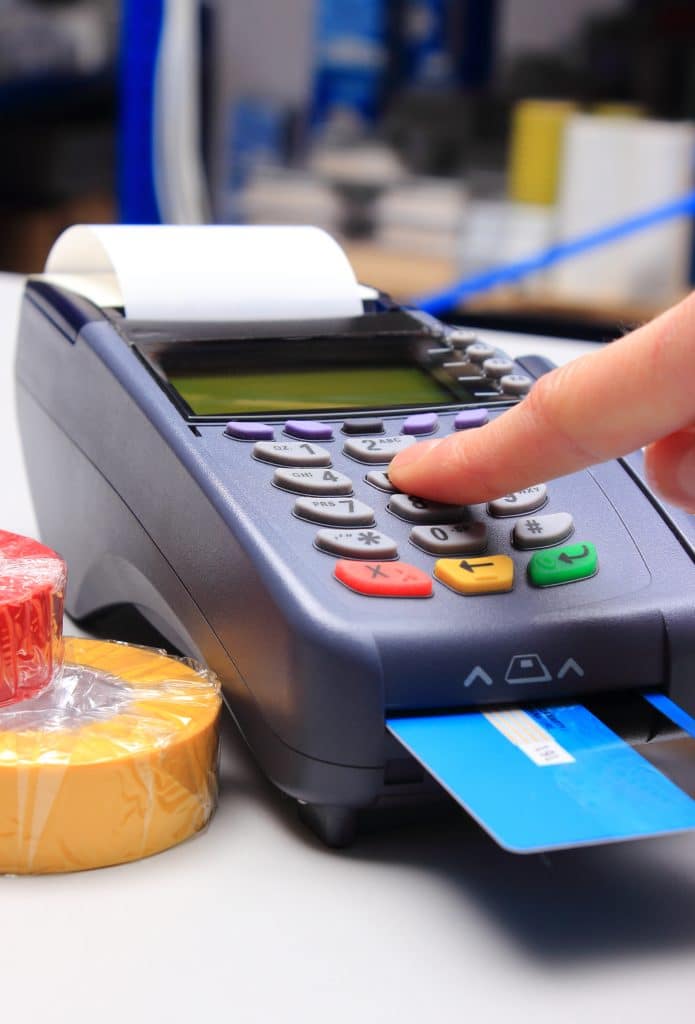
Checkout lanes are engineered by people who study exactly this weakness, stocked with small cheap items positioned right at eye and hand level while you wait.
None of these purchases feel like spending because they are small. A gum pack here, a magazine there, a seasonal gadget that seemed funny for four dollars. Add them up over a year and they stop being funny.
Keep the Laughs Going
26 Life Hacks That Sound Completely Ridiculous Until You Try Them →
The fix that actually worked for us was putting headphones in during checkout, one earbud in, no music playing. It sounds silly, but it breaks the browsing reflex and gets us straight to paying.
What sits there also rotates seasonally, holiday candy, small toys, gift cards, phone chargers, whatever feels like a reasonable impulse that week. Recognizing that it’s a designed rotation does more to break the habit than willpower ever did.
16. The Oil Change You Keep Pushing Back
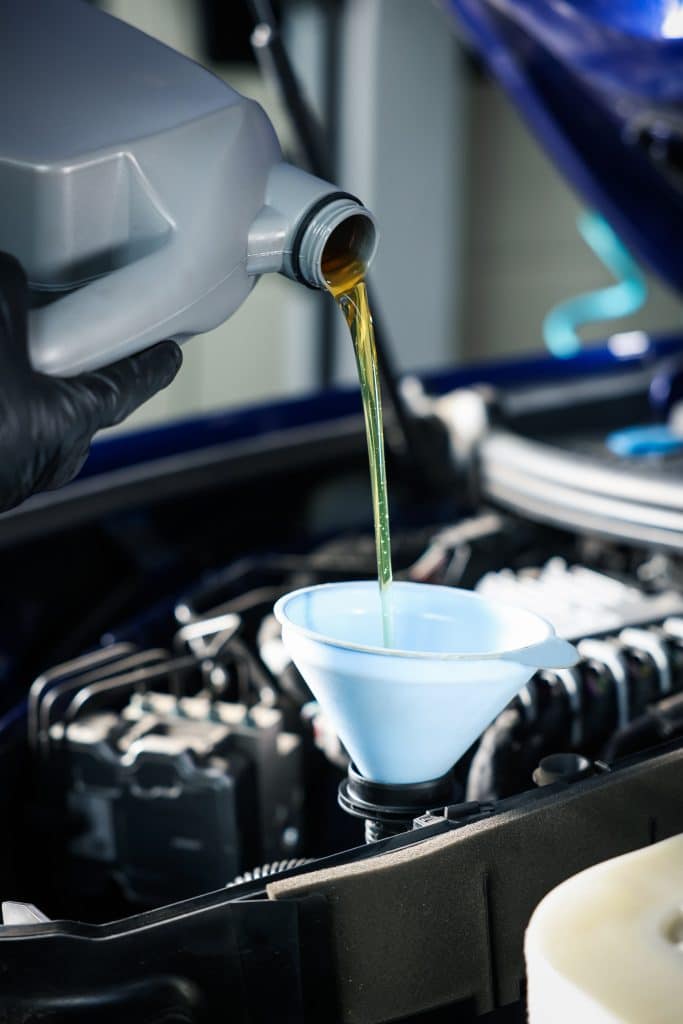
Delaying routine car maintenance feels like saving money in the moment, because you are not spending it. It is actually one of the more expensive habits on this entire list.
Skipped oil changes and ignored maintenance intervals lead to bigger repairs down the road, the kind that cost multiples of what the original service would have. A car that is maintained on schedule also holds its resale value better.
This used to be the household’s most consistently ignored task, tracked in someone’s head instead of written down anywhere. We switched to a simple reminder in the car’s own dashboard system, and it has already caught two overdue services we would have missed.
Insurance premiums can also creep up after a preventable breakdown turns into a claim, another cost that traces straight back to a skipped service. None of this feels dramatic in the moment, which is exactly why it is so easy to keep pushing back.

15. The Bottled Water Habit
Bottled water gets treated like the ultimate symbol of wasted money, and sometimes that is fair. Buying it by the case for daily home use when your tap water is safe is genuinely expensive over a year.
Here is the honest part. If you are buying one bottle because you forgot a reusable one and you are out running errands, that is not the financial disaster the internet makes it sound like. It is a few dollars, not a crisis.
The real savings comes from the daily at-home habit, not the occasional emergency bottle. Fix the pattern, not the exception.
A decent reusable bottle pays for itself within a couple of weeks for most people, and a filtered pitcher makes most tap water taste complaints disappear too. The upfront cost is tiny compared to what a daily case habit adds up to over a year.

14. Grocery Shopping on an Empty Stomach
Shopping hungry is one of those pieces of advice that sounds like a cliché until you actually test it against your own receipts.
We ran our own version of this experiment, shopping hungry one week and after dinner the next. The hungry trip cost almost twenty percent more, nearly all of it in snacks neither of us had on the list.
Eating something small before you shop is a genuinely free habit change with a measurable payoff. Few money tips are actually this simple.
It isn’t really a willpower problem either. Shopping hungry changes what looks appealing on the shelf, turning practical staples into an afterthought next to anything ready to eat right there in the aisle. A handful of nuts in the car beforehand fixes most of it.
Tom & Carrie's Pick
30 Things Frugal People Won't Waste Their Money On →
"Tom is offended by how many of these describe him exactly."

13. The Extended Warranty You Didn’t Need
Extended warranties get pitched at the register on almost everything now, from headphones to major appliances, always framed as cheap peace of mind.
Most products already come with a manufacturer warranty that covers the failures most likely to happen early. The extended plan is mostly covering the years when the product would probably have worked fine anyway.
We started asking one question before saying yes to any warranty: what does this actually add beyond what is already covered. Most of the time, the honest answer is not much.
Plenty of credit cards extend the manufacturer warranty automatically on anything bought with that card, a benefit almost nobody checks before paying extra at the register. A five-minute look at your card’s benefits guide usually settles the question for free.

12. The Bank Fee You Stopped Noticing
Monthly account fees, minimum balance penalties, and out-of-network withdrawal charges all share one trait: they are small enough to stop registering after a while.
We went through three months of statements and found over forty dollars in fees we had genuinely forgotten were happening every month. None of them were dramatic on their own, which is exactly why they survived unnoticed for so long.
A five-minute call to ask about fee waivers, or switching to an account with no minimum balance requirement, usually solves this permanently. It is one of the few fixes on this list that only needs to happen once.
The Fine Print: Fee waivers usually exist, most banks just do not advertise them. Asking directly is the entire strategy.
We will come back to receipts in a minute too, but first, the one purchase decision that splits this house right down the middle.
11. The Return You Never Made
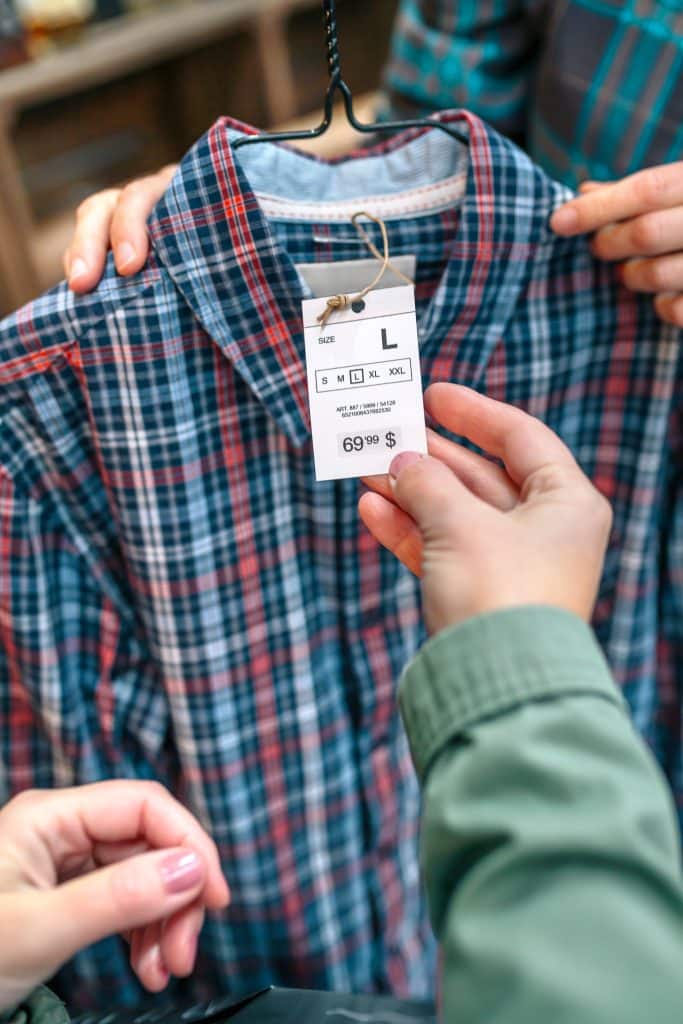
The shirt that did not fit, the gadget that was not what the listing promised, the gift that was clearly a duplicate. Most of us have a drawer or a bag somewhere holding at least one thing that should have gone back.
Return windows exist for a reason, and letting them expire out of pure procrastination is money you already spent walking straight out the door. It happened, the charge is real, and there is a window to undo part of it.
We keep a small basket by the door specifically for return items, checked every Sunday before the oldest thing in it ages out of its window. It turned a vague guilt into an actual weekly task.
A recurring phone reminder set for the exact return window on bigger purchases removes the guesswork entirely. Thirty days feels like plenty of time right up until it suddenly isn’t.

10. The Produce That Dies in the Crisper Drawer
Wilted lettuce and forgotten berries get blamed constantly for grocery budgets going sideways, and produce waste is real. It is also not entirely your fault.
You'll Also Love This
Produce is perishable by design, and even careful households lose some percentage of it no matter how organized the fridge is. The honest goal is reducing waste, not eliminating it completely, because that second bar is not realistic for most families.
Buying slightly less at a time, and shopping twice a week instead of once, cut our waste noticeably without turning grocery shopping into a research project.
Freezing anything close to going bad, instead of letting it head straight to the compost bin, has probably saved us more than any single shopping strategy. A wilting bunch of herbs or a soft banana usually has a second life if you catch it in time.
9. The Thermostat Set Like You’re Trying to Prove Something
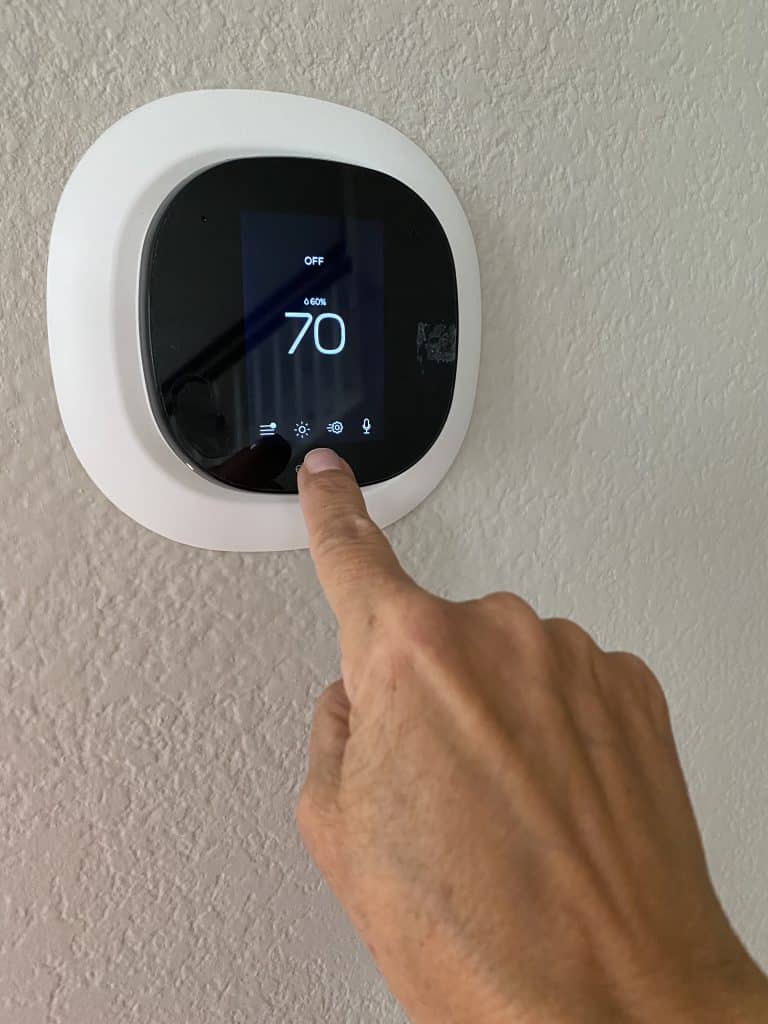
Every house seems to have one person who runs the heat or the air conditioning like the goal is personal comfort at any cost, and one person quietly adjusting it back when nobody is looking.
A few degrees in either direction, especially while nobody is home or everyone is asleep, adds up over a full season more than people expect. Programmable settings exist specifically to automate the part most people forget to do manually.
We finally agreed on a schedule instead of a standoff, which saved money and also ended a small ongoing argument that had been going on for years.
A programmable or smart thermostat usually pays for itself within a year or two for an average household. Even without one, a simple written schedule taped inside a cabinet does most of the same work for free.

8. The Full Price You Paid Without Asking
Plenty of prices are more negotiable than people assume, especially on services like internet bills, gym memberships, and even some medical bills.
A short phone call asking whether a lower rate or a current promotion is available works more often than it has any right to. Companies would rather offer a discount than lose a paying customer entirely.
We started making this call once a year on every recurring bill we have. It rarely takes more than ten minutes, and it has never once made things worse.
This works especially well right before a promotional rate is about to expire, since companies know that’s exactly when customers start comparison shopping elsewhere. Calling a week ahead of a known increase gets the best results almost every time.

7. The Name-Brand Reflex
Some households have a strict generic-only policy. Ours has a long-running disagreement about it instead.
Tom’s take: most store brands are made in the exact same factories as the name brand, in the same formula, with a different label. Paying extra for the label is paying for marketing, nothing else.
Carrie’s take: that is true for some categories and not others, and a few generic swaps have genuinely disappointed her enough to go back. The trick is testing one item at a time instead of switching the whole cart overnight.
We have landed somewhere in the middle: generic for pantry staples and cleaning supplies, name brand for the handful of items where one of us can actually tell the difference blind.

6. The Takeout Habit That Replaced the Grocery List
A tired weeknight and an empty fridge is exactly how a fifteen-dollar takeout order becomes three times a week instead of once.
The math on this one is not subtle. A homemade version of most takeout meals costs a fraction of the delivery price once you count in fees and tip, even with the ingredients bought fresh.
We keep two or three backup meals stocked specifically for the nights we do not feel like cooking, the kind that take fifteen minutes and use pantry staples. It removes the excuse without removing the convenience.
We also started treating delivery as an occasional treat instead of a default answer to a tired evening, which oddly made it more enjoyable on the nights we actually did it. A little scarcity turned it back into something worth looking forward to.

5. The Insurance Policy You Never Shopped Around On
Auto and home insurance rates change constantly behind the scenes, but most policies just renew automatically every year with nobody checking whether a better rate exists elsewhere.
Loyalty does not typically get rewarded here the way people assume it does. A quick round of comparison quotes every year or two often turns up a meaningfully lower rate for the same coverage.
We now do this every renewal period, and it has paid off more often than not. The fifteen minutes it takes is the best hourly rate on this entire list.