
29 Things Frugal People Refuse to Buy (And You Probably Shouldn’t Either)

We used to think frugal was a personality flaw until we sat down and did the math on everything we’d bought just because it was there. Somewhere between a drawer full of takeout napkins and a gadget that only ever peeled hard-boiled eggs, we started keeping a list.
Not a list of what to buy. A list of what to quietly stop buying, one habit at a time, without ever announcing it as a resolution.
Twenty-nine items made the cut, and we argued over a few longer than we’d like to admit. Stick around for the one at number one, the habit that took us longest to notice we had.
29. The Greeting Card for Every Occasion
A card that gets read once, stood on a shelf for a week, and thrown away costs about the same as a real gift for a kid’s birthday. The message matters. The card it’s printed on doesn’t.
A handwritten note on plain paper, folded once, does the same emotional job. It usually gets kept longer too, since nobody’s precious about a blank card going in the recycling bin.
The math gets sillier the more occasions get added. A household that marks birthdays, anniversaries, and every minor holiday on the calendar can spend more on cardstock in a year than on the gifts those cards accompany.
Verdict: save the store cards for the one occasion a year that truly calls for one.
28. A Roll of Wrapping Paper Per Gift
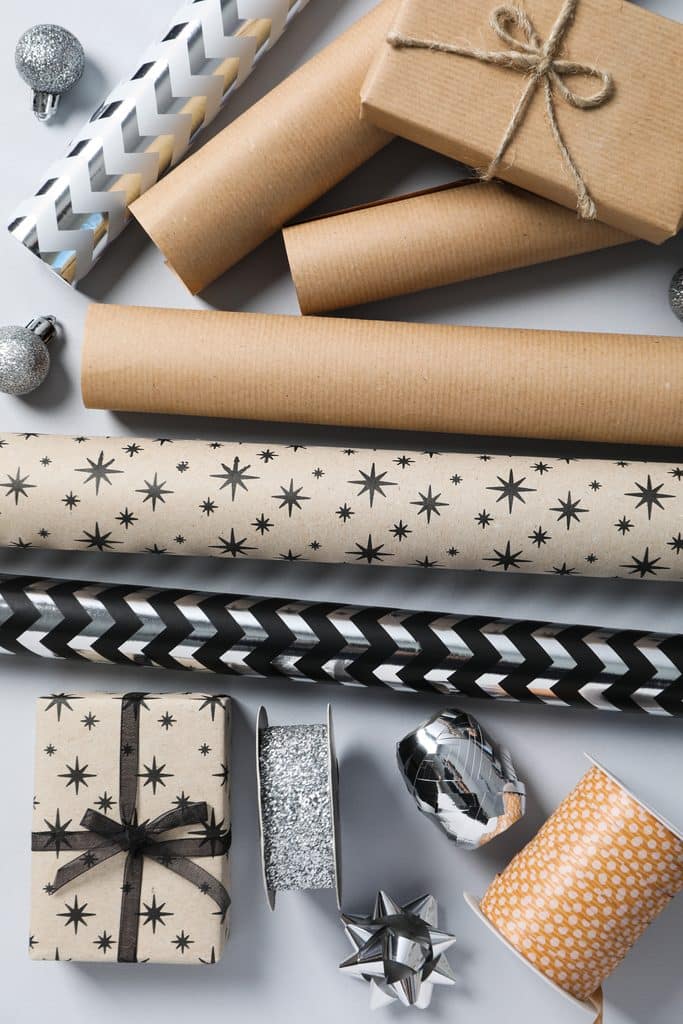
Wrapping paper is used for roughly ninety seconds of a gift’s life before it’s torn off and thrown away. That’s an expensive ninety seconds when it’s bought new for every single box.
A grocery bag turned inside out, or the comics page from a Sunday paper, wraps just as well and usually gets more compliments for being unexpected.
Leftover fabric scraps work too, tied off with string instead of tape, and they can be reused as a bag the following year if the recipient is the sentimental type.
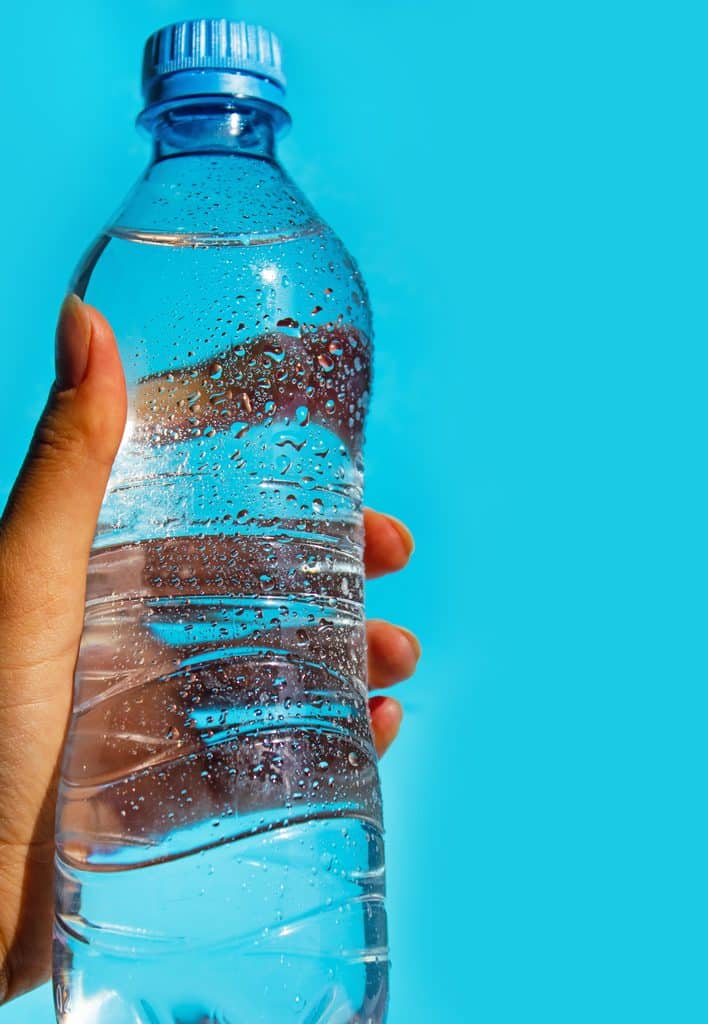
27. Bottled Water With the Tap Right There
In most places, tap water is tested more often than the bottled kind. It comes out of the same pipes for free, all day, every day.
A reusable bottle pays for itself within a couple of weeks for anyone who was buying a case a week out of habit rather than necessity.
There’s a real exception here. Boil advisories, older plumbing, and travel to places with questionable water quality are all good reasons to reach for bottled anyway. Habit is the target, not the water itself.
Verdict: keep a bottle by the door and the habit fixes itself.
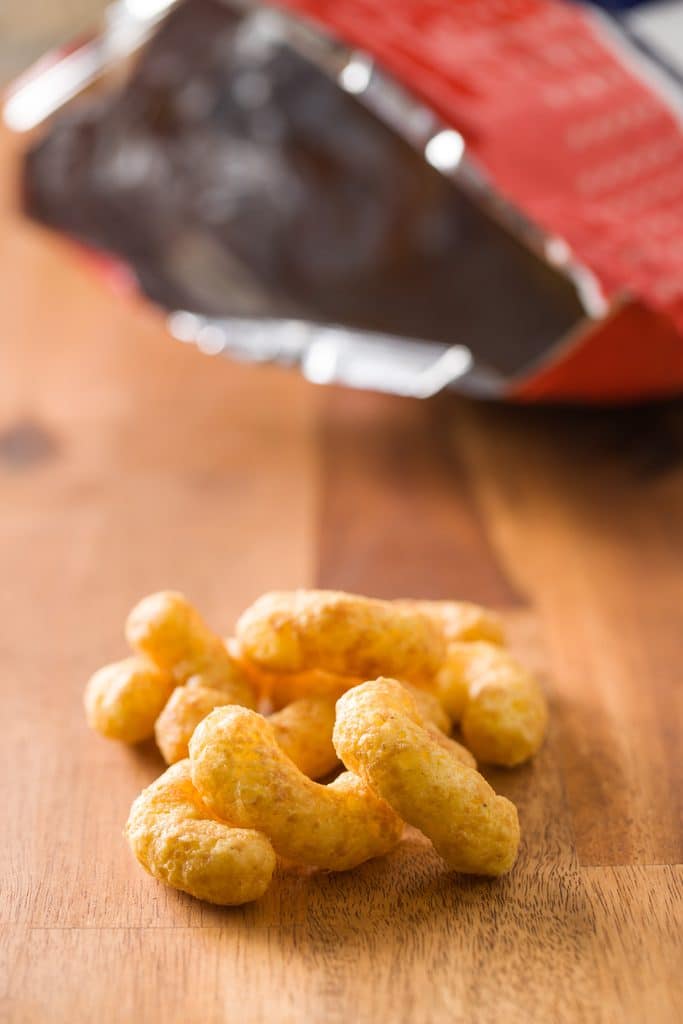
26. Individually Wrapped Snack Packs
The convenience is real. So is the markup, which usually runs somewhere around double what the same food costs in a family-size bag.
A stack of reusable containers and five minutes on a Sunday portions out a week’s worth of snacks for a fraction of the price, and the containers outlast the habit by years.
It also cuts down on the small plastic waste that individually wrapped anything tends to generate, which was never the main reason to switch but is a decent bonus once the habit sticks.
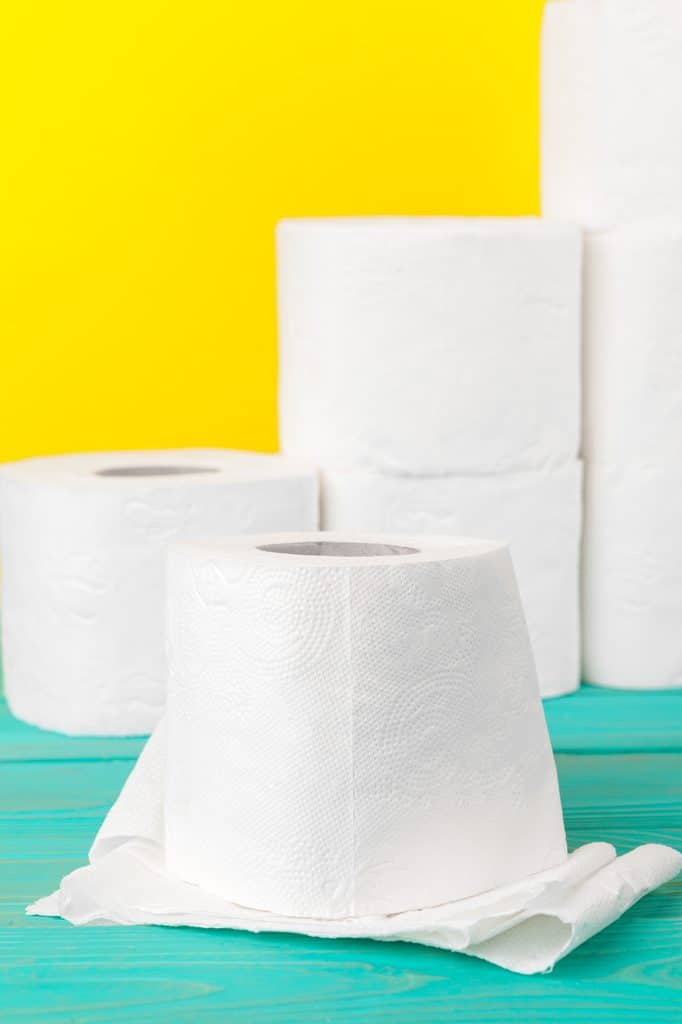
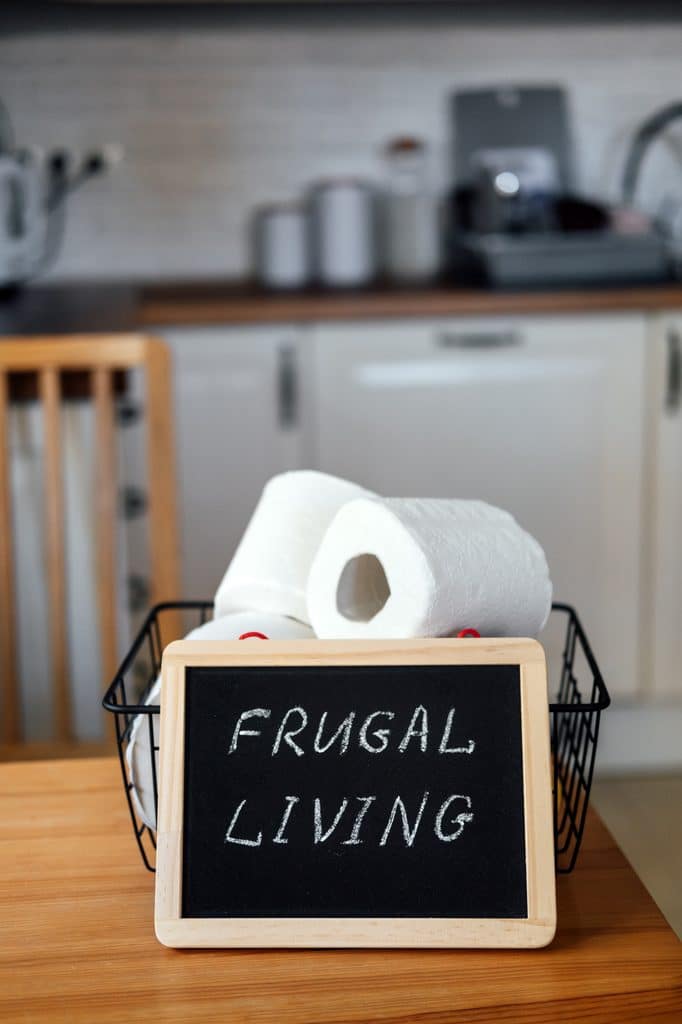
25. Paper Towels for Every Single Mess
A roll disappears fast when it’s the answer to spilled juice, dusty shelves, and wiped counters alike. A basket of old dish towels handles most of that for free, over and over.
Cutting up worn-out t-shirts into rags costs nothing and gives clothes that were headed for the donation pile a second useful life around the house.
Real Talk: we still keep a roll around. Bacon grease and anything involving raw chicken get the paper towel, no cloth is winning that fight, and pretending otherwise would be dishonest.
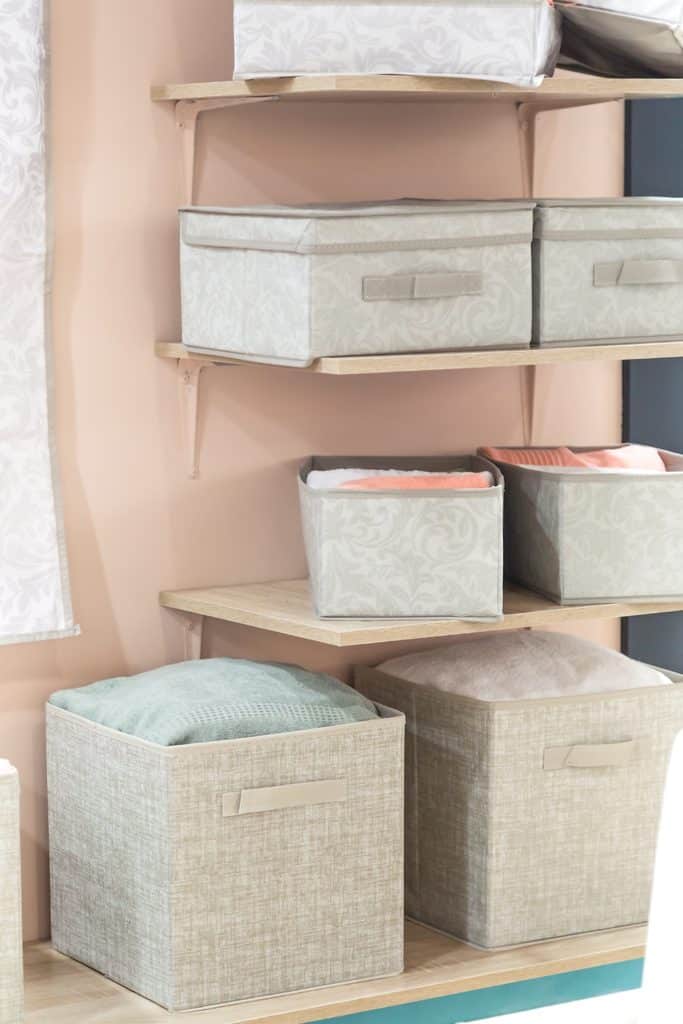
24. A Matching Set of Storage Bins
A coordinated wall of identical bins looks satisfying in a photo. It’s also one of the most expensive ways to store off-season sweaters that exists.
Mismatched boxes with a label on the side do the exact same job. Nobody opens a closet and checks whether the containers match before deciding the sweaters are safe.
The urge usually comes from seeing someone else’s organized shelf online, not from an actual storage problem. Solve the clutter first, then decide if matching bins are still worth it.
Keep the Laughs Going
36 Money Habits Our Grandparents Used That Still Make Sense Today →
A permanent marker and a roll of masking tape make any mismatched box just as searchable as a matching one, which was the entire point of buying the set in the first place.
23. A Gadget That Does Exactly One Job
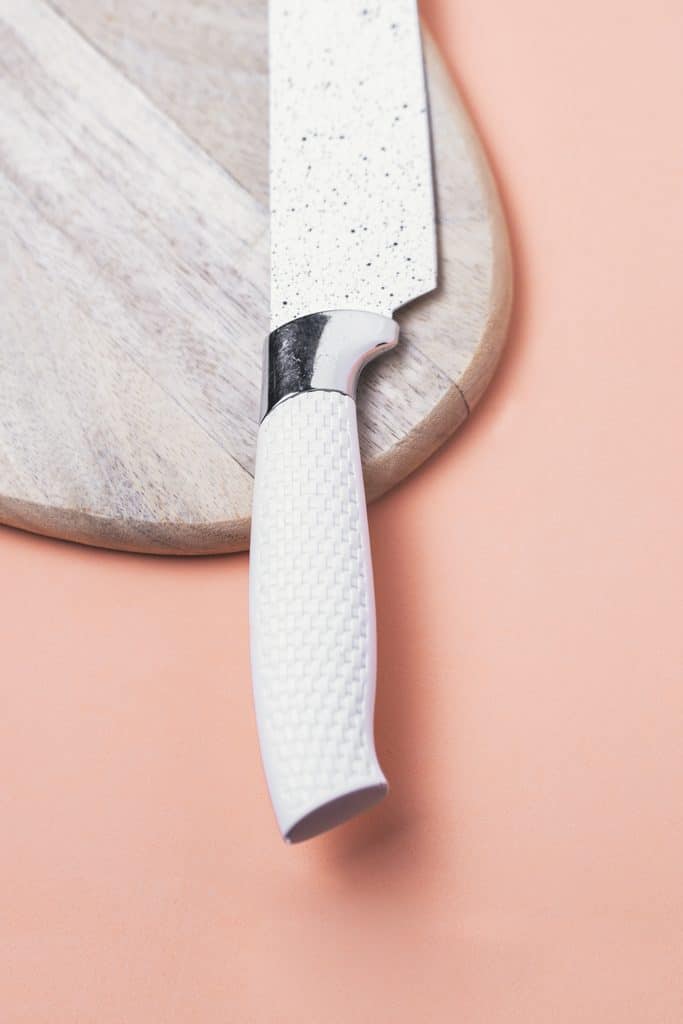
The single-purpose tool always looks brilliant in a thirty-second video. In the kitchen drawer, it looks like the thing that got used twice and never again.
A good knife and a cutting board handle most of what these gadgets promise, and they don’t need a dedicated drawer of their own to sit unused in.
A decent rule before buying one: if the same task could be done in under two minutes with a tool already owned, the gadget is solving a problem that doesn’t exist.
Seven items down, and the honest ones are still ahead. Wait until the one at number one, which took us both entirely too long to notice.
22. The Name Brand When the Store Brand Sits Right Next to It
Plenty of store-brand pantry staples are made in the same factories as the name on the shelf above them, just without the marketing budget baked into the price.
Flour, sugar, canned beans, and spices are safe bets to switch without noticing a difference. Some things are worth the brand. Most pantry basics aren’t.
The easiest test is a side-by-side taste at home, once, with both labels peeled off. Most households can’t tell the difference more than half the time, which says plenty about where the price gap actually comes from.
Baking is the one place worth being pickier. A cheaper vanilla or a thinner chocolate can genuinely change a finished dessert, so that’s where the brand name occasionally earns its price.
21. A Car Wash at the Dealership
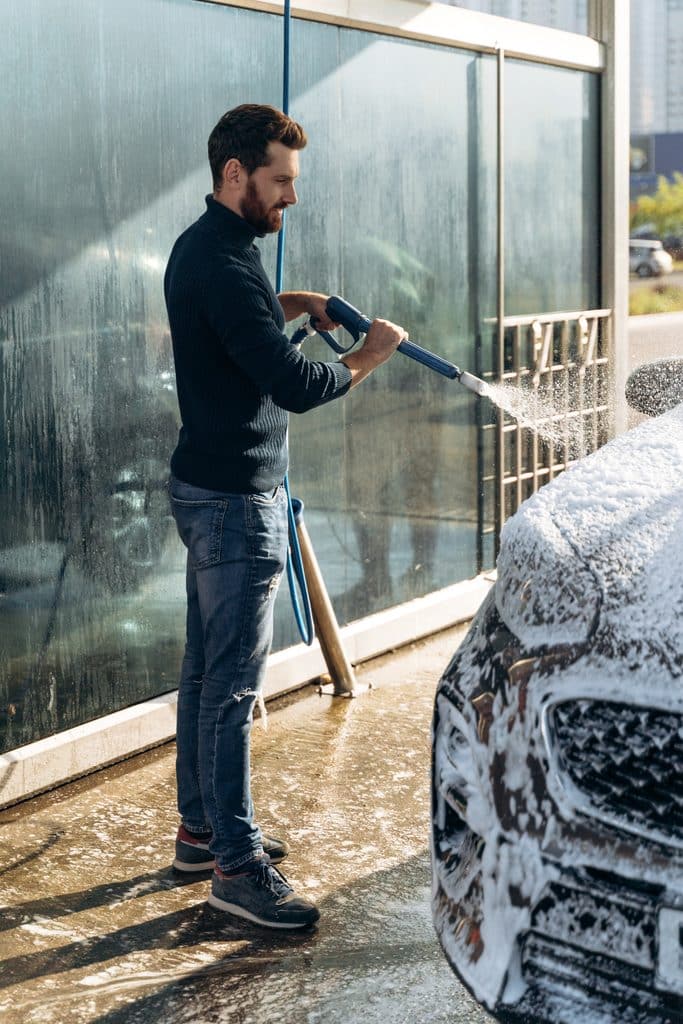
Dealership car washes run at a premium simply because they’re convenient while a car is already in for service. The same wash costs noticeably less a few blocks away.
A bucket, a sponge, and a driveway handle it for the price of the soap, and it takes about as long as scrolling a phone in a waiting room anyway.
The one exception worth paying for is an undercarriage rinse after a winter of road salt, which does real work protecting the car underneath and isn’t something a driveway hose reaches well.
20. Premium Gas for an Engine That Doesn’t Need It
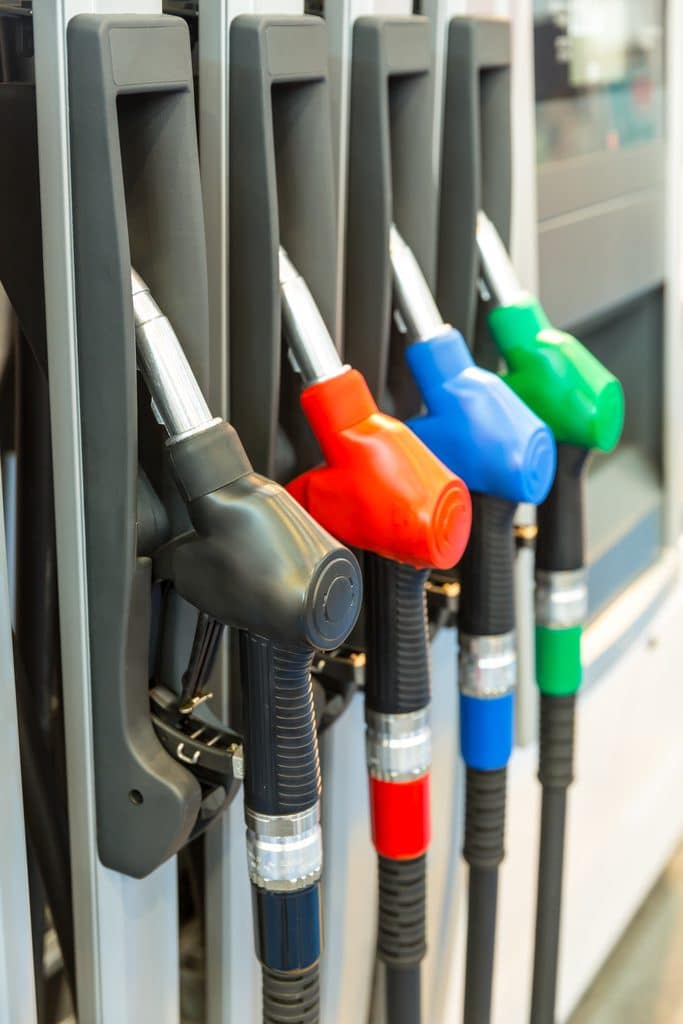
Myth: premium gas makes any car run cleaner and last longer, so it’s always worth the extra cost at the pump.
Reality: unless the owner’s manual specifically requires premium, a regular engine gets no measurable benefit from it. That’s money paid for a number on the pump and nothing else.
Checking the manual takes about thirty seconds and settles the question permanently. Most everyday cars are built for regular, no matter what the pump’s fancier button implies.
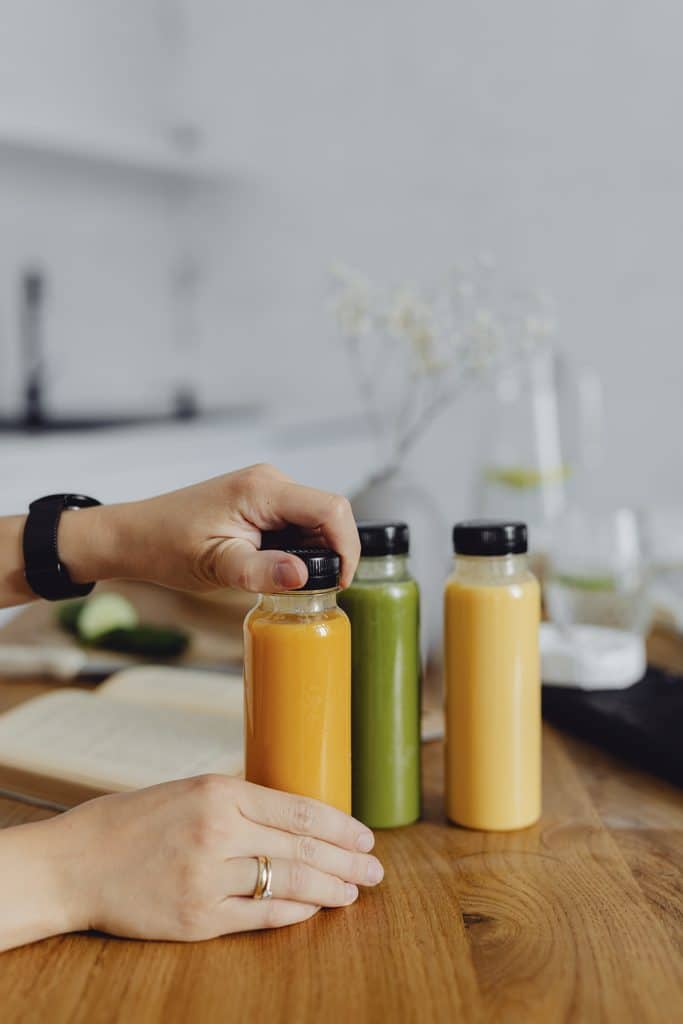
19. A Juice Cleanse
A week of bottled juice can run past what a week of real groceries costs, and the body’s own liver and kidneys were already handling the “cleansing” part for free.
Tom & Carrie's Pick
26 Clever Tricks Grandma Used That Were Too Useful to Throw Away →
"Carrie has personally tried 4 of these. Two actually work."
A few more vegetables and a little less processed food does more for the body long term, and it leaves room for an actual meal instead of a headache by lunchtime.
Most of what a cleanse week produces is a lighter wallet and a craving for solid food. The vegetables would have done the job for less and without the crash.

18. A Book They Know They’ll Read Once
A library card costs nothing and carries most of what a new release shelf does, usually within a few weeks of release for anything popular.
Real Talk: a favorite author still gets bought new in our house, no apologies. The rule bends for the books that get read twice, or that end up loaned out to half the neighborhood.
A library hold list also fixes the timing problem. Popular titles get requested the day they’re announced, so the wait is usually over by the time the hype has faded anyway.

17. A Cable Package With Channels Nobody Watches
Most households can name maybe five channels they actually watch out of a bundle of two hundred. The other one hundred and ninety-five are paid for out of habit.
A single call to renegotiate, or a switch to a smaller package, usually saves more per month than most people expect for very little lost in practice.
Writing down what actually got watched over a real week, not what was intended to get watched, tends to be the moment the decision makes itself.
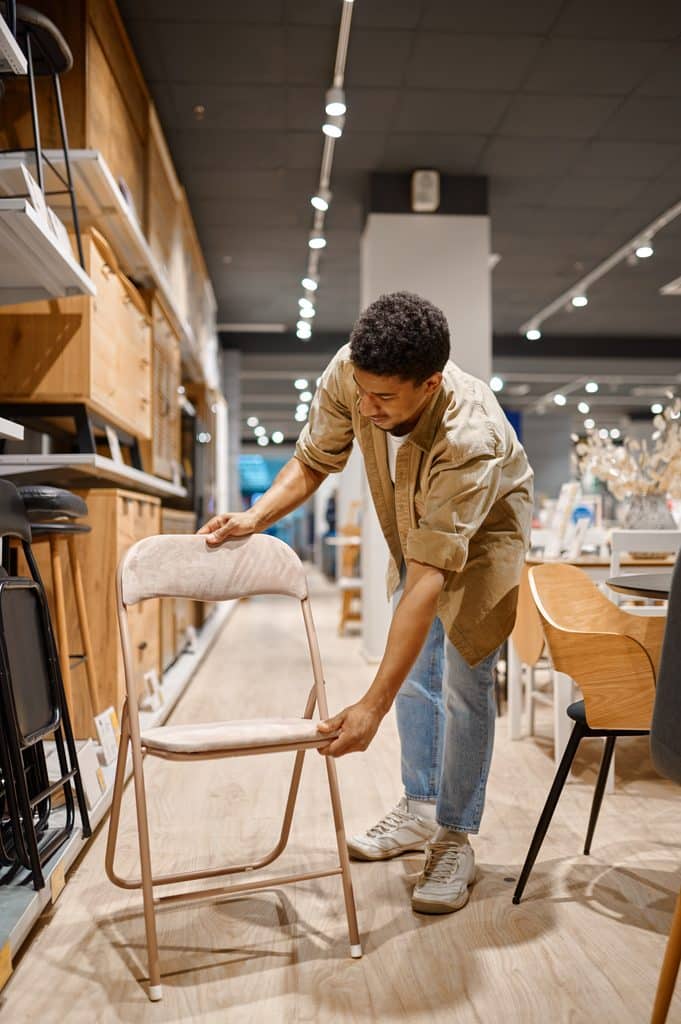
16. Brand New Furniture When Secondhand Would Do
Solid wood furniture from decades ago is often better built than what’s sold new today, and it shows up secondhand at a fraction of retail.
A little sanding and a coat of paint turns a scuffed find into something that looks intentional, and it costs less than a single new side table.
The trade-off is time. Refinishing a dresser is an afternoon project, not a same-day fix, and it’s not for anyone who needs a couch by Friday.
Sixteen down, thirteen to go, and the frugal instinct only gets sharper from here. The disagreement at number four is the one that nearly ended in a draw.

15. Professional Photo Prints From the Mall Counter
A studio session with a backdrop and a photographer runs well past what most families budget for a single afternoon of posed smiles.
Good natural light near a window and a phone camera get a genuinely nice shot most of the time, especially with a few takes and a little patience.
A print shop down the street will turn that photo into a real print for a small fraction of what the studio charges for the same size.
The one exception is a milestone that only happens once, like a graduation or a wedding portrait, where the professional setup earns its price in a way a phone camera can’t quite match.
You'll Also Love This
26 School Cafeteria Memories That Still Haunt an Entire Generation →
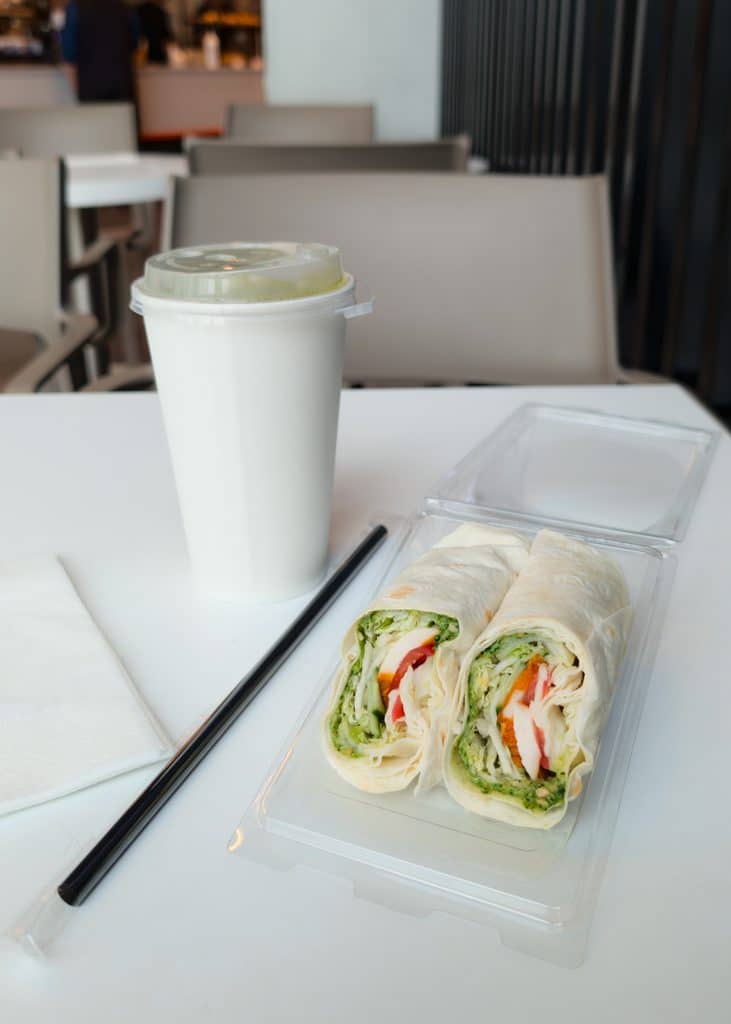
14. Airport Food
A sandwich past security can cost roughly double what the same sandwich costs anywhere else, simply because there’s nowhere else to go once inside.
Packing something before the gate, even something simple, turns a captive-audience markup into a non-issue and usually tastes better than what’s on offer past security anyway.
A sandwich wrapped in foil and a piece of fruit survive a security check without issue in most places, and they cost close to nothing compared with anything sold past the gate.
13. The Hotel Minibar
A candy bar in a hotel minibar can cost as much as an entire meal elsewhere. That’s the price of convenience stacked directly on top of captivity.
A quick stop at a shop before check-in solves this permanently, and it usually means better snacks anyway, not just cheaper ones.
Verdict: the minibar is priced for emergencies, not for a night of snacking. Plan ahead and skip it entirely.
12. A Different Cleaning Spray for Every Surface
Glass cleaner, counter spray, floor cleaner, and bathroom spray all sitting under one sink adds up fast, and most of them are doing nearly the same job.
A basic all-purpose cleaner and a separate bathroom-specific one cover almost everything a household actually needs, at a fraction of the shelf space and cost.
Concentrated refills, diluted at home into a reusable spray bottle, cut the per-use cost even further once the habit of buying single-use bottles is broken.
11. Designer Kids’ Clothes for a Growth Spurt Away
A toddler outgrows a size in a matter of months, sometimes weeks. Designer prices on clothes with that short a lifespan rarely make sense.
Secondhand kids’ clothes are often barely worn, since the whole category turns over so quickly, and they show up for a small fraction of retail.
A rotating swap with other parents works even better than buying secondhand, since it costs nothing at all and keeps the clothes moving to wherever they’re actually needed.

10. An Extended Warranty on a Small Appliance
A warranty on a toaster or a blender often costs a real percentage of the appliance’s own price, covering a repair that’s frequently cheaper than the warranty itself.
For anything under roughly a hundred dollars, replacing it outright when it breaks is usually the cheaper long-run bet than paying to insure it.

9. A Home Warranty Add-On
These plans are sold on peace of mind, but the fine print is full of exclusions, and claims often get denied for reasons buried in a paragraph nobody read closely.
A dedicated savings account for repairs, funded a little each month, tends to cover the same emergencies with none of the denied claims.
It also grows over time, which is more than can be said for a monthly premium that vanishes whether or not anything ever breaks.
Nine down. The number one spot is close now, and it’s less about a product than a mindset that took us years to catch ourselves doing.

8. A Duplicate Off the Wedding Registry
Registries are built around an assumption that every gift-giver will spread out. In practice, three people buy the same serving bowl and nobody notices until it’s opened.
Checking a registry’s live status right before buying, rather than trusting an old bookmark, avoids the awkward return line at the gift counter later.
Most stores will exchange an unopened duplicate for store credit even without a receipt, which turns an accidental double gift into something useful instead of a shelf item nobody wants.
7. A Twelve-Pack of Disposable Razors
Disposable razors get thrown away dull far before they’re actually worn out, and the cost per shave adds up faster than most people track.
One well-built razor with replaceable blades usually pays for itself within a few months and keeps a sharper edge the whole time.
The blades themselves, bought in bulk a few at a time, cost far less per shave than a fresh disposable ever did.

6. Makeup From the Department Store Counter
A big share of the cost at a department store counter is the counter itself, the lighting, and the staff standing behind it, not the product in the tube.
Plenty of drugstore formulas test just as well in independent comparisons, at a third of the price or less.
Verdict: save the counter splurge for the one product worth it, and let the rest of the routine come from the drugstore aisle.
Sample sizes at the counter are worth taking advantage of either way, since they settle whether a formula is actually worth chasing before any money changes hands.

5. An Extended Service Plan on Anything Electronic
These plans are sold at the register in the moment of a big purchase, when a few extra dollars feels small next to the total already on the screen.
Most electronics that are going to fail do it early, well within a manufacturer’s standard warranty, which makes the extended plan a bet against odds that rarely pay off.
Setting aside the cost of the plan into a personal fund instead covers the rare failure just as well, and the leftover money stays put if nothing ever breaks.
Reader Favorites
28 Movie Theater Candies Ranked From Forgettable to Addictive →

4. A Gym Membership Nobody Uses Past March
January sign-ups are a business model built entirely around good intentions that fade by spring. Most memberships quietly keep charging long after the visits stop.
Tom wanted to give the gym one more shot in January, on principle. Carrie pointed out the guest room had space for a mat and a set of resistance bands, and the argument ended there.
The math settled it more than the argument did. A year of unused visits costs more than enough equipment to fill a small home setup, with money left over.
Verdict: a membership only saves money if the visits actually happen.

3. A Brand New Car Off the Lot
A new car loses a meaningful chunk of its value the moment it leaves the lot, often within the first year, before a single major repair has even had the chance to come up.
A car that’s a couple of years old has already absorbed that drop for someone else. It drives the same, and it costs a real amount less.
A pre-purchase inspection from an independent mechanic, done once before signing anything, closes most of the gap in confidence between new and gently used.
Financing terms matter here too. A shorter loan on a lower price beats a long loan on a new one almost every time the numbers actually get compared side by side.

2. Coffee Shop Coffee Every Single Morning
One coffee a day, bought out, adds up to a real annual number once it’s actually written down instead of felt one purchase at a time.
A decent home setup pays for itself within a couple of months for anyone buying daily, and the occasional treat still feels like a treat instead of a routine.
The habit is rarely about the coffee itself. It’s about the five minutes of routine that comes with it, which a home setup can build in just as easily.
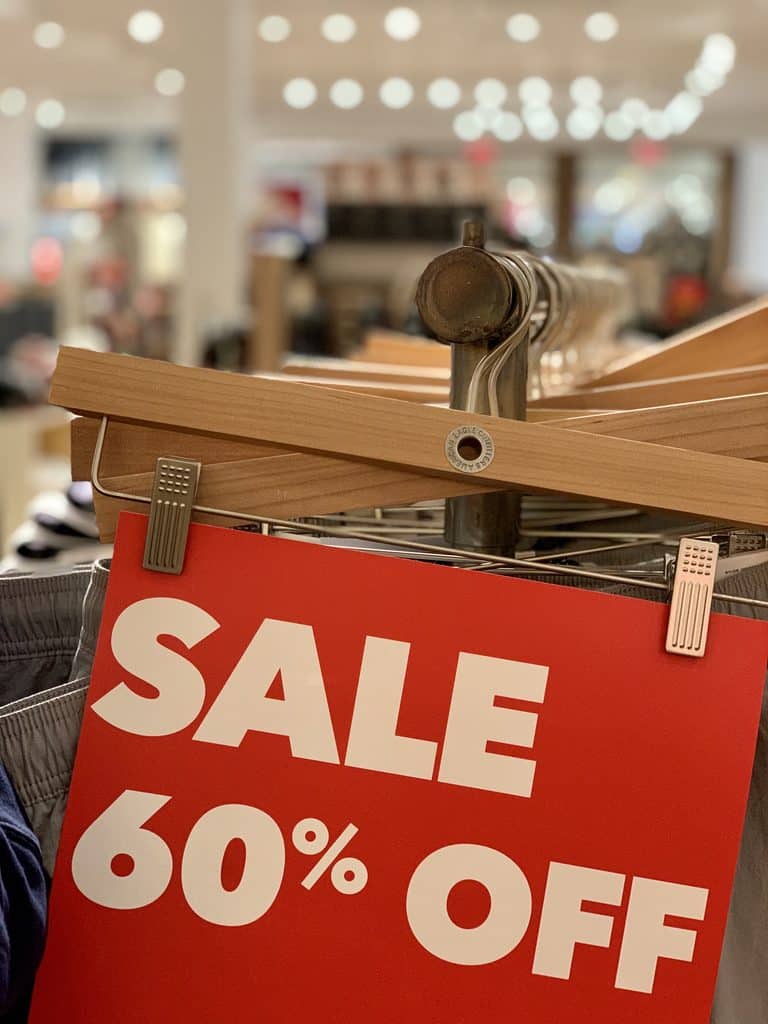
1. Anything Just Because It’s On Sale
Every item on this list is really just a symptom of the one at the top. A sale sign doesn’t change whether something was needed in the first place. It just makes it feel urgent to decide.
Retailers know this better than shoppers do. A markdown creates a sense of loss if it isn’t grabbed immediately, which is exactly the feeling that gets a cart filled with things that would never have been bought at full price.
It took Tom four months to stop buying the on-sale flavor of a snack he didn’t even like, purely because passing up a good markdown felt like losing.
The fix that finally worked in our house was a simple pause: if it wasn’t already on a list before walking in, the discount doesn’t count as a reason. A good price on something unwanted is still a bad purchase, just a cheaper one.
Everything else on this list follows from that one habit. Fix the sale reflex, and most of the other twenty-eight take care of themselves, usually without any of them feeling like a sacrifice.
The Running Total
None of this is about never spending money. It’s about noticing which purchases are actually decisions and which ones are just reflexes with a receipt attached.
We still buy plenty from this list on occasion. The point was never perfection. It was catching the habit before it caught us, one small purchase at a time.
If even a few of these twenty-nine ring a bell, the running total is probably higher than it looks. Ours certainly was, right up until we started writing it down.
Pick two from this list to actually try this month, not all twenty-nine at once. The habits that stick are the ones that never felt like a diet in the first place.